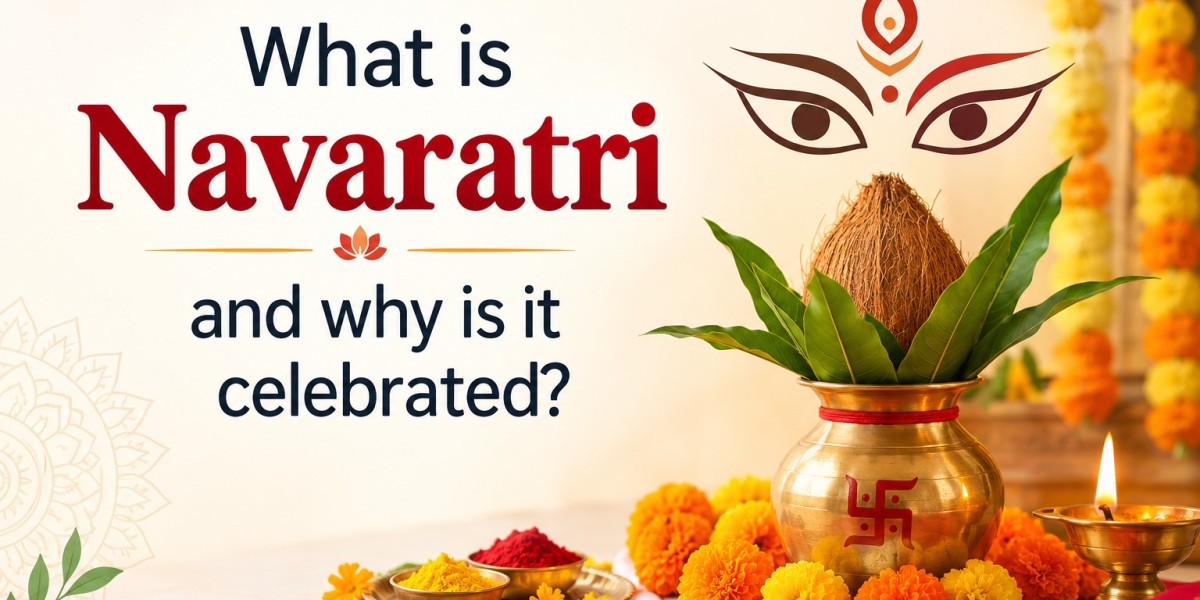

Navaratri is a nine-night Hindu festival dedicated to the worship of Goddess Durga and her nine forms, known as Navadurga. Each day has its own goddess, spiritual significance, colour traditions, and form of Navratri puja.
For devotees planning Navaratri 2026, knowing the goddess worshipped on each day can make daily prayers more meaningful. The exact Navratri dates 2026, Navratri tithi, and Navratri muhurat may vary slightly according to location and Panchang calculations, so checking a local Navratri Panchang is useful.
Which Goddess Is Worshipped on Each Day of Navaratri?
Here is the traditional sequence of the nine forms of Goddess Durga:
| Navaratri Day | Goddess | Main Significance |
|---|---|---|
| Day 1 | Maa Shailputri | Strength, stability and new beginnings |
| Day 2 | Maa Brahmacharini | Devotion, patience and spiritual discipline |
| Day 3 | Maa Chandraghanta | Courage, peace and protection |
| Day 4 | Maa Kushmanda | Energy, creativity and prosperity |
| Day 5 | Maa Skandamata | Motherly love, compassion and wisdom |
| Day 6 | Maa Katyayani | Strength, courage and determination |
| Day 7 | Maa Kaalratri | Protection and removal of fear |
| Day 8 | Maa Mahagauri | Purity, peace and inner calm |
| Day 9 | Maa Siddhidatri | Spiritual growth, wisdom and fulfilment |
Day 1 – Maa Shailputri
The first day is dedicated to Maa Shailputri, regarded as the daughter of the Himalayas. She represents strength, stability and a fresh beginning. Devotees often begin Navratri puja by seeking her blessings for a peaceful and disciplined spiritual journey.
Day 2 – Maa Brahmacharini
The second day honours Maa Brahmacharini, associated with devotion, penance and patience. Her worship is traditionally connected with developing self-control and staying committed to one's spiritual path.
Day 3 – Maa Chandraghanta
On the third day, devotees worship Maa Chandraghanta. Her form represents courage, protection and a balance between strength and serenity. Many devotees pray to her for mental peace and confidence.
Day 4 – Maa Kushmanda
The fourth day is dedicated to Maa Kushmanda, traditionally associated with cosmic energy and creation. Her worship is considered a reminder of the importance of positive energy, vitality and creativity.
Day 5 – Maa Skandamata
Maa Skandamata is worshipped on the fifth day. As the mother of Lord Skanda, she represents motherhood, compassion and protective strength. Devotees may seek her blessings for family well-being and emotional balance.
Day 6 – Maa Katyayani
The sixth day honours Maa Katyayani, a powerful form of Durga associated with courage and determination. Her worship is especially significant in traditions connected with overcoming difficulties and developing inner strength.
Day 7 – Maa Kaalratri
The seventh day is dedicated to Maa Kaalratri, a fierce form of Goddess Durga. She is traditionally worshipped as a protector who represents the destruction of fear, negativity and harmful influences.
Day 8 – Maa Mahagauri
Maa Mahagauri is worshipped on Navratri Ashtami, the eighth day. She represents purity, peace and spiritual clarity. Many families perform special prayers, kanya pujan and other traditional rituals on Ashtami, depending on their family customs.
Day 9 – Maa Siddhidatri
The ninth day, Navratri Navami, is dedicated to Maa Siddhidatri. She is associated with spiritual wisdom, completeness and divine blessings. Navami marks the conclusion of the nine-day worship in many traditions.
How Should You Follow Navratri Puja?
A simple daily routine can include:
- Clean the prayer space and take a bath before worship.
- Light a diya and offer flowers to the day's form of Durga.
- Recite a suitable Durga mantra or prayer according to your tradition.
- Offer seasonal fruits or sattvic food as bhog.
- Spend a few minutes in meditation or quiet reflection.
- Follow fasting rules according to your health, family tradition and religious practice.
The appropriate Navratri muhurat can be checked through a reliable Panchang because timings such as Ghatasthapana and other rituals depend on the local sunrise and tithi.
What About Navratri Tithi and Nakshatra?
The Navratri tithi determines the lunar date of each festival day, while the Navratri nakshatra refers to the constellation active at a particular time. These details can vary by location and are generally calculated using the Hindu Panchang.
For people interested in astrology, online Vedic astrology can provide a broader explanation of how Panchang elements are interpreted. An online astrology consultation may also be used to understand traditional astrological practices, provided the guidance is treated as spiritual or cultural insight rather than a guaranteed prediction.
At Lunar Astro Vedic Academy, these subjects can also be explored from the perspective of Vedic astrology and traditional astrological principles.
Navratri Remedies: What Can You Practise?
Traditional Navratri remedies are generally simple acts of devotion rather than guaranteed solutions. Lighting a diya, chanting Durga mantras, donating food, helping someone in need, maintaining cleanliness and practising self-discipline are commonly followed during these nine days.
Final Thought
The nine forms of Durga represent different qualities—from Shailputri's stability and Brahmacharini's discipline to Mahagauri's peace and Siddhidatri's spiritual wisdom. Understanding the goddess worshipped each day can help devotees connect with the deeper meaning of Navaratri 2026, rather than treating the festival only as a series of rituals.
For exact Navratri dates 2026, Ashtami and Navami timings, and local Navratri Panchang details, always refer to a Panchang calculated for your location.
Online Vedic Astrology












