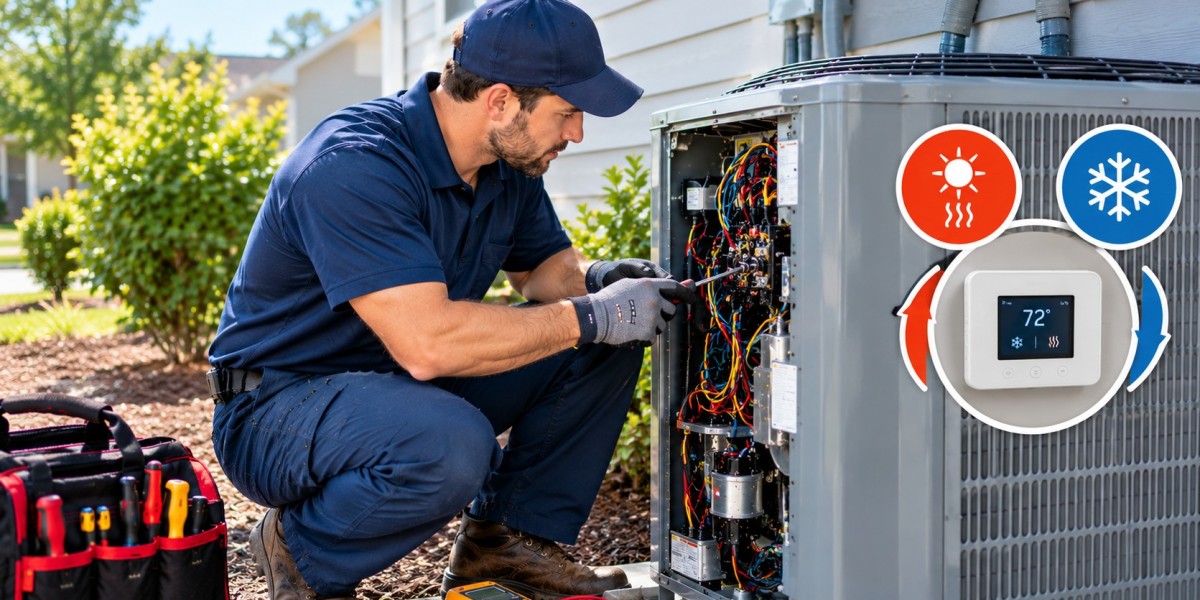

Why Is My HVAC System Not Heating or Cooling Properly?
You set the thermostat, wait patiently, and nothing changes. The room stays too warm in summer or too chilly in winter, and you're left wondering what exactly is going on. This is one of the most common complaints homeowners bring up, and honestly, there are quite a few possible culprits behind it. Let's work through what's likely causing your system to underperform.
The Frustration of a System That Just Won't Cooperate
There's nothing quite like setting your thermostat and watching the temperature barely budge. It feels a bit like turning on a fan that spins but somehow doesn't move any air. Something's clearly running, yet the results just aren't matching the effort. Figuring out why starts with narrowing down whether the issue is cooling related, heating related, or something affecting both sides of the system.
Common Reasons Your System Isn't Cooling
1. Dirty or Clogged Air Filter
A clogged filter restricts airflow significantly, forcing your system to work harder while delivering weaker results. This is genuinely one of the most common and easiest fixes out there.
2. Low Refrigerant Levels
Refrigerant absorbs heat from your home's air. When levels drop, usually due to a leak, your system loses much of its cooling power even if it's still running normally otherwise.
3. Dirty Outdoor Condenser Coils
When the outdoor unit's coils get coated in dirt, pollen, or grime, heat exchange becomes much less efficient. The system ends up working overtime just to produce lukewarm results.
4. Thermostat Malfunctions
A miscalibrated or malfunctioning thermostat can misread the room's current temperature, causing the system to shut off before it's actually finished cooling the space properly.
Common Reasons Your System Isn't Heating
1. Pilot Light or Ignition Issues
For gas furnaces, a pilot light that's gone out or an ignition system that's malfunctioning will stop heat production entirely. This usually needs a professional to safely diagnose and fix.
2. Faulty Thermostat Settings
Sometimes it really is as simple as a thermostat accidentally set to cool instead of heat, or a dead battery causing the display to malfunction without you noticing.
3. Clogged Filters Restricting Heat Flow
Just like with cooling, a dirty filter restricts airflow during heating too, reducing how effectively warm air circulates through your home.
4. Worn Out Heating Components
Aging heat exchangers, worn igniters, or failing blower motors all reduce heating performance over time, often requiring hvac repair rock hill specialists to properly diagnose and replace.
Problems That Affect Both Heating and Cooling
1. Ductwork Issues
Leaky, disconnected, or poorly insulated ductwork affects both heating and cooling equally, letting conditioned air escape into attics, crawlspaces, or walls instead of reaching your rooms.
2. Electrical or Wiring Problems
Faulty wiring or electrical connections can cause inconsistent performance across both heating and cooling modes, sometimes causing the system to shut off unexpectedly or fail to start at all.
3. An Aging System Nearing Its Limit
Older systems simply lose efficiency across the board as components wear down. If your system is pushing past 12 to 15 years and struggling with both heating and cooling, that's less about an isolated issue and more about overall decline.
What You Can Check Before Calling for Help
Quick Steps to Try First
Replace or clean the air filter
Confirm the thermostat is set correctly and you have working batteries
Check the breaker panel for tripped switches
Clear debris from around the outdoor unit
Make sure all vents around the house are open and unblocked
Running through these basics rules out the simple stuff before assuming something more serious is going on.
When It's Time to Bring in a Professional
If you've checked the basics and the problem persists, it's time to bring in someone with the right tools and training. Issues like refrigerant leaks, ignition problems, or electrical faults aren't safe or practical to handle on your own. A qualified hvac contractor rock hill sc can accurately diagnose what's actually happening instead of you guessing room by room. Reaching out for professional hvac repair rock hill service sooner rather than later often prevents a bigger, more expensive breakdown down the road.
If your system is struggling consistently across both heating and cooling seasons, that's usually a bigger red flag than an isolated issue. A trusted hvac contractor rock hill sc can evaluate whether the problem is fixable or whether your system is simply reaching the end of its reliable lifespan. Either way, getting an honest, professional opinion beats continuing to guess and hoping the problem resolves itself.
Final Thoughts
A system that won't heat or cool properly usually has a clear, identifiable cause, even if it's not obvious at first glance. Dirty filters, low refrigerant, thermostat issues, and aging components all play a role depending on whether you're dealing with cooling problems, heating problems, or both at once. Running through basic checks first can save you time and money, but when the issue persists, reaching out for proper hvac repair rock hill service gets you an accurate answer instead of continued frustration. Staying on top of these issues keeps your home comfortable no matter what season South Carolina throws at you next.
FAQs
Q1: Why does my AC run but not actually cool the house?
Usually low refrigerant, dirty coils, or airflow restrictions from a clogged filter.
Q2: What's a common reason furnaces stop producing heat?
Pilot light or ignition issues are among the most frequent causes in gas furnaces.
Q3: Can ductwork problems affect both heating and cooling?
Yes, leaky or disconnected ducts reduce performance for both equally.
Q4: Should I try fixing refrigerant issues myself?
No, refrigerant handling requires proper certification and equipment.
Q5: When should I call a professional instead of troubleshooting further?
If basic checks don't resolve the issue within a day or two, it's time to call for help.