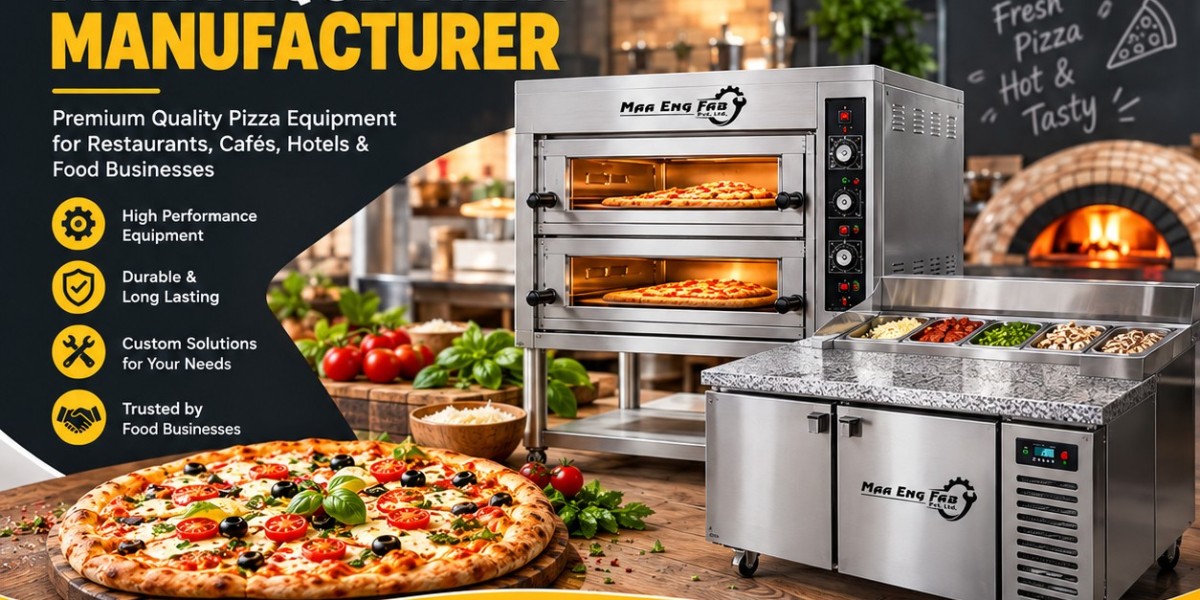

The solution is not simply to buy more equipment. A reliable pizza kitchen needs a planned approach that combines preventive maintenance, equipment inspection, proper installation, staff training, spare-parts planning, utility management, and contingency procedures.
For restaurants, hotels, cafés, cloud kitchens, and other foodservice operations, understanding the causes of equipment downtime can help create a more reliable pizza production system.
What Is Equipment Downtime in a Pizza Kitchen?
Equipment downtime refers to the period when a machine or kitchen system cannot perform its intended function.
For example, downtime may occur when:
- A pizza oven stops heating correctly
- A dough mixer develops a mechanical problem
- A refrigerator cannot maintain the required temperature
- A preparation machine stops operating
- An electrical connection fails
- A gas supply problem affects cooking equipment
- Ventilation or exhaust equipment stops working
In a high-volume kitchen, the impact can extend beyond the individual machine because different stages of pizza production depend on each other.
Why Is Downtime More Serious During Peak Hours?
During normal service, a temporary equipment problem may be manageable. During peak periods, however, the kitchen has less spare capacity.
When orders increase, the kitchen depends on every important production stage working efficiently.
For example:
Dough preparation → ingredient preparation → pizza assembly → baking → finishing → dispatch
If the oven becomes unavailable, pizzas that are already prepared may have to wait. If refrigeration fails, ingredient handling may be affected. If the dough mixer stops, the kitchen may eventually run short of prepared dough.
Therefore, preventing downtime is particularly important when production demand is highest.
1. Create a Preventive Maintenance Schedule
One of the most effective ways to reduce unexpected equipment problems is preventive maintenance.
Instead of waiting for equipment to fail, businesses can establish routine inspection and maintenance schedules based on equipment type and usage.
A maintenance schedule may include:
- Daily cleaning and visual inspection
- Weekly condition checks
- Monthly performance inspection
- Periodic professional servicing
- Temperature monitoring
- Electrical inspection
- Mechanical component inspection
- Replacement of worn parts
The exact maintenance frequency should follow the equipment manufacturer's recommendations and the operating environment.
2. Inspect the Pizza Oven Regularly
The pizza oven is often one of the most critical pieces of equipment in a commercial pizza kitchen.
An oven problem during peak service can immediately affect production capacity.
Staff can monitor basic operating conditions such as:
- Heating performance
- Temperature consistency
- Door and seal condition
- Controls and displays
- Unusual noises
- Ventilation
- Visible damage
- Cleaning condition
If the oven takes unusually long to reach its normal operating temperature or shows inconsistent heating, the issue should be investigated rather than ignored.
Regular professional inspection can also help identify problems that are not visible during routine cleaning.
3. Maintain Commercial Dough Mixers
Dough preparation is another important stage of pizza production.
A mixer that stops working can affect the availability of dough for the entire service period.
Maintenance planning should consider:
- Motor performance
- Mixing attachments
- Moving components
- Electrical connections
- Safety mechanisms
- Lubrication requirements where applicable
- Unusual vibration or noise
- Cleaning procedures
The mixer should also be operated within its recommended batch capacity. Consistently overloading equipment can increase mechanical stress and reduce reliability.
4. Monitor Refrigeration Equipment
Refrigeration is essential for storing dough, cheese, vegetables, sauces, meat toppings, and other ingredients.
A refrigeration problem can create both operational and food-safety concerns.
Staff should monitor:
- Internal temperature
- Door seals
- Condenser cleanliness
- Air circulation
- Unusual sounds
- Frost accumulation
- Temperature fluctuations
Temperature records can also help identify gradual performance changes before a complete failure occurs.
5. Do Not Ignore Small Warning Signs
Equipment rarely gives a business unlimited warning before every failure.
Changes such as unusual noise, vibration, temperature fluctuation, slow heating, inconsistent performance, or repeated error messages may indicate an emerging problem.
Common warning signs include:
- Equipment taking longer to operate
- Increased noise
- Excessive vibration
- Repeated electrical trips
- Unusual smells
- Temperature instability
- Visible wear
- Reduced production capacity
Small issues should be documented and inspected rather than repeatedly ignored.
6. Keep Critical Spare Parts Available
A repair can take longer if a required replacement part is not immediately available.
For critical equipment, businesses can discuss recommended spare parts with their supplier or manufacturer.
Depending on the equipment, useful spare parts may include:
- Seals
- Switches
- Sensors
- Fittings
- Electrical components
- Belts
- Heating-related components
- Other manufacturer-approved service parts
The exact spare-parts list should be based on the equipment model and manufacturer's recommendations.
7. Build a Relationship With a Reliable Pizza Equipment Manufacturer
Equipment reliability does not depend only on the machine itself. Technical support and after-sales service can also influence how quickly a problem is resolved.
When evaluating a Pizza Equipment Manufacturer, businesses should ask about:
- Installation support
- Product documentation
- Preventive maintenance guidance
- Spare-parts availability
- Service response
- Warranty terms
- Technical assistance
- Staff training
- Equipment commissioning
Clear communication with the manufacturer can make maintenance planning more organised.
8. Check Electrical Requirements Before Installation
Incorrect electrical planning can contribute to equipment problems.
Before installing commercial pizza equipment, the kitchen should verify:
- Required voltage
- Connected load
- Circuit capacity
- Appropriate protection
- Earthing
- Cable requirements
- Isolation arrangements
- Equipment-specific electrical requirements
Electrical installation should be handled by qualified professionals according to applicable requirements and the equipment manufacturer's specifications.
9. Plan Gas Systems Carefully Where Applicable
Gas-powered cooking equipment requires appropriate planning and inspection.
The kitchen should ensure that:
- Gas supply is suitable
- Connections are properly installed
- Required safety devices are present
- Ventilation is adequate
- Leaks are addressed immediately
- Equipment is serviced appropriately
Gas-related installation and servicing should always be handled by qualified professionals.
10. Maintain Proper Ventilation and Exhaust
Ventilation problems can affect both kitchen working conditions and equipment operation.
Pizza ovens and other cooking equipment may generate substantial heat and cooking vapours. The exhaust system should therefore be designed and maintained according to the kitchen's requirements.
Regular checks can include:
- Exhaust performance
- Filters
- Duct condition
- Airflow
- Fan operation
- Cleaning requirements
A blocked or poorly maintained exhaust system can create unnecessary operational problems.
11. Train Staff on Correct Equipment Operation
Equipment can experience unnecessary wear when employees use it incorrectly.
Staff training should cover:
- Start-up procedures
- Normal operating limits
- Cleaning procedures
- Safe shutdown
- Capacity limitations
- Basic inspection
- Warning signs
- Emergency procedures
- When to contact maintenance personnel
Training is particularly important when new equipment is installed or when staff turnover is high.
12. Avoid Overloading Equipment
Using equipment beyond its recommended capacity can affect performance and reliability.
For example, consistently exceeding the recommended batch size of a mixer or overloading preparation equipment may increase mechanical stress.
Equipment should be selected and operated according to:
- Manufacturer specifications
- Expected production volume
- Batch size
- Operating cycle
- Menu requirements
Production planning should account for peak demand rather than continuously forcing one machine to operate beyond its intended capacity.
13. Monitor Equipment Performance During Peak Hours
A simple monitoring system can help identify recurring problems.
Businesses can record:
- Equipment operating temperature
- Start-up time
- Production capacity
- Downtime incidents
- Error messages
- Maintenance activities
- Repair frequency
- Parts replaced
Over time, these records can reveal patterns.
For example, if the same oven repeatedly experiences temperature fluctuations during long production periods, management can investigate the underlying cause instead of repeatedly dealing with individual incidents.
14. Keep Maintenance Access Clear
Equipment should not be installed in a way that makes servicing unnecessarily difficult.
Maintenance personnel may need access to:
- Electrical connections
- Service panels
- Motors
- Filters
- Ventilation components
- Refrigeration components
- Gas connections where applicable
During kitchen planning, sufficient access should be considered alongside production workflow.
A machine that is difficult to access may take longer to inspect or repair.
15. Keep the Kitchen Clean and Organised
Cleaning is an important part of equipment reliability.
Accumulated grease, food particles, dust, debris, and other contaminants can affect equipment performance depending on the machine and operating environment.
A practical cleaning plan can separate:
- After-shift cleaning
- Daily cleaning
- Weekly cleaning
- Periodic deep cleaning
- Professional servicing
Cleaning procedures should follow the equipment manufacturer's instructions and applicable food-safety requirements.
16. Plan Equipment Redundancy for Critical Operations
For high-volume kitchens, it may be useful to consider what happens if a critical machine becomes unavailable.
Depending on the business model, contingency planning may include:
- Secondary cooking capacity
- Backup refrigeration arrangements
- Alternative preparation procedures
- Temporary production adjustments
- Emergency service contacts
- Spare critical components
Not every kitchen needs duplicate equipment. The appropriate level of redundancy depends on production volume, business risk, available space, and budget.
17. Create an Emergency Downtime Procedure
Staff should know what to do when important equipment suddenly stops working.
An emergency procedure can define:
- Stop using unsafe equipment.
- Inform the responsible manager.
- Identify whether the issue is operational or requires professional service.
- Protect ingredients and partially prepared orders.
- Move production to available capacity where appropriate.
- Contact the service provider.
- Record the incident.
- Inspect the root cause after service.
Having a procedure reduces confusion during stressful peak periods.
18. Keep Important Documentation Accessible
Equipment documentation can save valuable time when troubleshooting or arranging service.
Keep accessible records such as:
- Equipment model numbers
- Serial numbers
- Installation information
- Manufacturer details
- Maintenance records
- Service history
- Warranty information
- Recommended maintenance schedules
- Spare-parts information
Digital records can also make it easier for management to maintain a central equipment history.
19. Consider Total Cost of Ownership
The cheapest equipment purchase is not necessarily the lowest-cost solution over its operating life.
Businesses should consider:
- Purchase cost
- Installation
- Energy consumption
- Maintenance
- Spare parts
- Service requirements
- Expected operating life
- Downtime risk
- Cleaning requirements
This approach is often called total cost of ownership.
For a busy commercial kitchen, equipment reliability can be an important part of long-term operational planning.
20. Review Equipment Capacity Before Expanding Production
As pizza sales increase, an existing kitchen may begin operating closer to its maximum capacity.
Before adding more orders or menu items, management should review:
- Oven capacity
- Mixer capacity
- Refrigeration capacity
- Preparation space
- Storage
- Electrical load
- Ventilation
- Staff capacity
- Cleaning requirements
Increasing production without reviewing these factors can increase equipment stress and operational bottlenecks.
21. Use a Simple Equipment Downtime Checklist
A practical checklist can help kitchen managers monitor critical equipment.
Daily
- Check equipment condition
- Clean work surfaces
- Check unusual sounds or vibration
- Verify basic operating performance
- Record relevant temperatures
Weekly
- Review recurring issues
- Inspect accessible components
- Check cleaning standards
- Review maintenance requirements
Periodically
- Schedule professional servicing
- Inspect electrical systems
- Review mechanical components
- Check ventilation and exhaust
- Review spare-parts inventory
- Update maintenance records
The actual schedule should be adjusted according to equipment type, usage, manufacturer guidance, and applicable regulations.
22. Measure Downtime Instead of Guessing
Businesses cannot improve what they do not measure.
Useful indicators include:
- Number of equipment failures
- Total downtime hours
- Average repair time
- Most frequent failure type
- Maintenance cost
- Production lost during downtime
- Repeat service calls
This information can help management identify which equipment or process requires attention.
Common Mistakes That Increase Equipment Downtime
Several avoidable mistakes can increase the risk of interruptions.
These include:
- Skipping preventive maintenance
- Ignoring warning signs
- Overloading equipment
- Poor cleaning
- Incorrect installation
- Inadequate ventilation
- Improper electrical planning
- Delaying repairs
- Not keeping critical spare parts
- Poor staff training
- Blocking maintenance access
- Buying equipment without considering service support
Addressing these issues during the planning stage can improve operational reliability.
Questions to Ask Before Purchasing Pizza Equipment
Before selecting new equipment, businesses can ask:
- What production capacity is recommended?
- What are the maintenance requirements?
- Which components require regular inspection?
- What spare parts are normally stocked?
- What utilities are required?
- What installation clearances are needed?
- What training is provided?
- What technical documentation is supplied?
- How is after-sales service handled?
- What should staff check before each operating shift?
These questions can help businesses compare equipment based on operational requirements rather than purchase price alone.
Final Thoughts
Reducing equipment downtime in a commercial pizza kitchen requires more than reacting to breakdowns. It requires a structured approach to equipment selection, installation, preventive maintenance, cleaning, staff training, performance monitoring, spare-parts planning, and emergency response.
Pizza ovens, dough mixers, refrigeration systems, preparation equipment, ventilation, and utilities all form part of the production system. When these elements are planned and maintained together, the kitchen can be better prepared to handle demanding service periods.
For businesses investing in commercial pizza equipment, working with an experienced manufacturer or supplier and establishing a documented maintenance process from the beginning can provide a stronger foundation for reliable long-term kitchen operations.