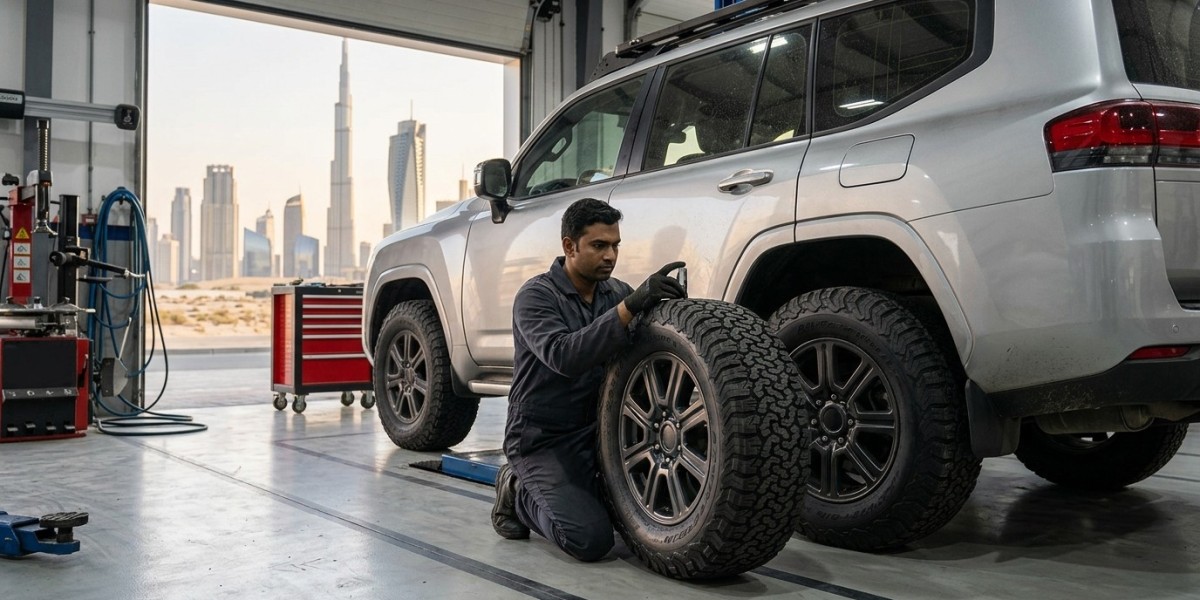

Choosing the right tyres can make a noticeable difference in everyday driving, particularly in a country where high temperatures, long highways, urban traffic, and changing road conditions are common. Continental UAE offers a wide range of tyre options for passenger cars, SUVs, and vans, with different sizes and specifications designed for different vehicles and driving requirements. Continental's UAE range includes numerous tyre sizes, from smaller passenger-car applications to larger SUV and performance fitments.
However, selecting tyres should involve more than simply choosing a familiar brand. Vehicle compatibility, tyre size, load capacity, speed rating, tread design, driving style, and maintenance all matter. Understanding these factors can help drivers make a more informed decision when replacing their tyres.
Understanding Continental Tyres in the UAE
Continental has a long history in tyre manufacturing and operates across the Middle East through Continental Middle East DMCC. The company provides passenger, van, truck, and specialty tyres, while its UAE market includes products for different types of vehicles and applications.
For everyday drivers, the important point is that there is no single tyre that suits every vehicle. A compact sedan used mainly for city driving may require very different characteristics from a large SUV regularly driven on highways.
This is why drivers should begin with their vehicle's specifications before comparing individual Continental tyre models.
Why Tyre Size Matters
Tyre size is one of the first details to confirm before purchasing new tyres. The correct size can usually be found on the existing tyre sidewall, inside the vehicle's owner's manual, or around the driver's door area. Continental's UAE website also provides a tyre-size search system that allows users to identify available options based on vehicle requirements.
A typical tyre specification may look like:
225/55 R17 97V
Each part provides information about the tyre's width, aspect ratio, construction, wheel diameter, load index, and speed rating.
Using the correct specification is important because tyres are designed around the requirements of particular vehicles. Changing size without understanding the implications can affect handling, comfort, clearance, and other driving characteristics.
Continental Tyres for Different Vehicles
Continental's UAE tyre portfolio covers several vehicle categories, including cars, SUVs, and vans. The available size range varies considerably depending on the vehicle type and wheel size.
Passenger Cars
Sedans, hatchbacks, and other passenger vehicles often require tyres designed around comfort, braking, handling, and everyday road use.
Drivers who spend most of their time in Dubai, Abu Dhabi, Sharjah, or other urban areas may want to consider tyres that provide a balanced combination of road grip, comfort, durability, and manageable road noise.
SUVs and Crossovers
SUVs generally use larger tyres and may require higher load capacities. Continental provides SUV-specific applications across its UAE range, including sizes for different wheel diameters.
When choosing SUV tyres, drivers should consider whether the vehicle is mainly used for city roads, highways, or a combination of road surfaces.
Vans and Commercial Vehicles
Vans can place different demands on tyres because they may carry passengers, equipment, or heavier loads. Correct load ratings and suitable tyre specifications are therefore particularly important.
How UAE Climate Can Affect Tyres
The UAE's hot climate makes tyre maintenance especially important. High ambient temperatures combined with hot road surfaces can place additional thermal stress on tyres.
This does not mean that every tyre will perform the same way under these conditions. Drivers should follow the vehicle manufacturer's recommended tyre pressure and inspect their tyres regularly.
Checking pressure when tyres are cold provides a more consistent measurement. Underinflation can increase rolling resistance and heat generation, while excessive pressure can affect ride comfort and contact with the road.
Choosing a Continental Tyre Based on Driving Style
Different drivers have different priorities. Someone who mainly commutes through city traffic may value comfort and low road noise, while a driver who regularly uses highways may place greater emphasis on stability and handling.
Continental's wider portfolio includes tyre families designed around different driving characteristics. Its UAE site currently highlights options such as SportContact, ComfortContact, and MaxContact, illustrating how tyre designs can target different priorities.
Everyday Driving
For regular commuting, a balanced tyre can be useful. Drivers may want to consider comfort, wet-road performance, tread life, braking characteristics, and noise levels.
Performance-Oriented Driving
Drivers who prioritize responsive steering and handling may look at performance-focused tyre ranges. These tyres are generally developed with different handling characteristics in mind.
The key is to match the tyre to the vehicle and driving conditions rather than selecting a model solely because it sounds more advanced.
Tread Design and Road Performance
The tread is one of the most important parts of a tyre because it forms the primary contact area between the vehicle and the road.
Tread patterns influence water evacuation, road grip, handling response, and overall driving behaviour. Different designs are developed for different purposes, so drivers should consider where and how they normally drive.
Regular inspection is also important. Uneven tread wear can indicate incorrect tyre pressure, wheel alignment problems, suspension issues, or other mechanical concerns.
Load Index and Speed Rating
Two specifications that should never be overlooked are the load index and speed rating.
The load index indicates the maximum load the tyre is designed to carry under specified conditions. The speed rating indicates the maximum speed capability associated with the tyre's rating.
Both should be appropriate for the vehicle. Using a tyre with unsuitable specifications can affect vehicle performance and safety.
Continental's UAE tyre-selection system includes filters for width, cross section, diameter, and load/speed specifications, making these details an important part of the selection process.
Tyre Age and Condition
A tyre's condition is not determined only by tread depth. Age, storage conditions, cracks, bulges, cuts, and uneven wear should also be considered.
Drivers should inspect the sidewalls for visible damage and check for unusual wear patterns. If a tyre shows serious damage or deterioration, it should be professionally inspected.
When buying new tyres, checking the manufacturing information and ensuring that the tyres have been stored correctly can also be worthwhile.
Wheel Alignment and Balancing
New tyres should be installed correctly, but tyre maintenance does not end after installation.
Wheel alignment helps ensure that the wheels are positioned correctly relative to the vehicle. Incorrect alignment can contribute to uneven tread wear and steering problems.
Wheel balancing is different. It helps distribute the wheel and tyre assembly's weight more evenly, which can reduce vibration at certain speeds.
Both services can therefore be relevant when replacing tyres or when a vehicle develops symptoms such as steering vibration or irregular tyre wear.
Comparing Continental Tyres Before Buying
Price is naturally an important consideration, but it should not be the only factor.
A proper comparison should consider:
Correct tyre size
Load and speed rating
Intended driving conditions
Tread design
Manufacturing date
Warranty and after-sales support
Installation and balancing services
Overall expected service life
Current UAE listings show that Continental tyres are available across a wide range of sizes and models, with prices varying significantly depending on tyre size, model, specification, and vehicle application.
This makes it difficult to identify one universal "best" Continental tyre. The suitable choice depends on the individual vehicle and driver's requirements.
Buying Continental Tyres in the UAE
When purchasing tyres, drivers should choose a seller that can confirm the tyre's exact specifications and provide proper installation.
Continental identifies Emirates for Universal Tyres LLC as its exclusive distributor for Continental passenger, light truck, industrial, and commercial vehicle tyres in the UAE. The distributor also operates showrooms, service centres, and warehousing facilities in the country.
Whether purchasing through a distributor, tyre retailer, or another supplier, customers should verify the tyre size, specifications, manufacturing information, and installation arrangements before completing the purchase.
Maintaining Continental Tyres After Installation
Proper maintenance can help tyres perform as intended throughout their service life.
Drivers should regularly check tyre pressure, inspect tread condition, look for sidewall damage, and monitor unusual vibrations or changes in handling.
Tyre pressure should follow the vehicle manufacturer's recommended values rather than a generic number printed elsewhere. Pressure checks are especially useful before long-distance highway journeys.
It is also useful to have alignment and balancing checked when symptoms such as uneven wear, steering pull, or vibration appear.
Common Mistakes to Avoid
One common mistake is choosing tyres based only on price. The cheapest option may not necessarily provide the characteristics required by a particular vehicle.
Another mistake is focusing only on the brand while ignoring tyre specifications. Even within the same brand, different models can have different purposes.
Drivers should also avoid ignoring tyre pressure and tread wear after installation. Regular checks are a simple part of responsible vehicle maintenance.
Making an Informed Tyre Choice
The right tyre choice begins with understanding the vehicle rather than starting with a specific model. Check the original tyre size, load index, speed rating, and manufacturer's recommendations first.
Next, consider how the vehicle is actually used. City commuting, highway travel, SUV driving, frequent long-distance trips, and heavier vehicle loads can all influence the most suitable tyre characteristics.
For drivers researching Continental UAE, the available range provides multiple options across cars, SUVs, and vans. The important step is matching the tyre's specifications and design with the vehicle and its normal driving environment.
Conclusion
Choosing tyres requires attention to more than brand recognition. Vehicle specifications, tyre size, load and speed ratings, tread design, climate, driving habits, maintenance, and installation quality all play a role.
The Continental UAE range covers different vehicle categories and tyre sizes, giving drivers several options for everyday cars, SUVs, vans, and other applications.
By checking the correct specifications and considering actual driving conditions, vehicle owners can make a more informed tyre-buying decision and maintain their tyres properly after installation.
FAQs
What should I check before buying Continental tyres in the UAE?
Check your vehicle's recommended tyre size, load index, speed rating, and intended usage. Also consider tread condition, manufacturing information, and installation requirements.
Are Continental tyres available for SUVs?
Yes. Continental's UAE tyre range includes numerous SUV sizes and applications across different wheel diameters.
How can I find my correct Continental tyre size?
You can check the existing tyre sidewall, vehicle owner's manual, or the driver's door area. Continental's UAE website also provides a tyre-size selection tool.
Why is tyre pressure important in the UAE?
Correct tyre pressure helps maintain appropriate contact with the road and supports consistent tyre performance. Hot weather makes regular pressure checks particularly important.
Should wheel alignment be checked after installing new tyres?
It can be useful to check alignment when installing tyres, particularly if the previous tyres showed uneven wear or the vehicle has steering or handling symptoms.