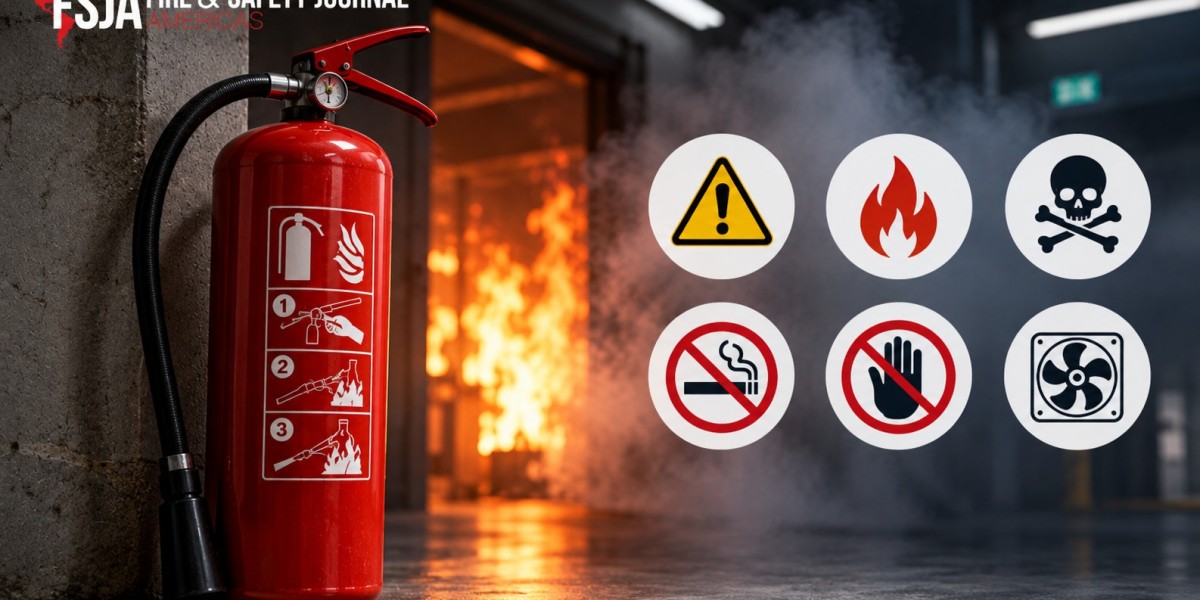

Fire extinguishers are essential safety devices used to control fires before they spread and threaten people, property, and the environment. Although they play an important role in emergency preparedness, questions often arise about the substances they contain. One common concern is, are fire extinguishers toxic?
The answer depends largely on the type of extinguisher and the extinguishing agent inside it. Different extinguishers are designed for different classes of fire and may contain dry chemicals, carbon dioxide, foam, water, wet chemicals, or other agents. Some substances can cause irritation or health effects if people are exposed to them improperly, while others present relatively low toxicity under normal conditions.
Understanding Fire Extinguisher Agents
Fire extinguishers work by removing one or more elements needed for combustion. Depending on the design, they may cool burning materials, separate oxygen from the fire, interrupt chemical reactions, or prevent combustible vapours from igniting.
Water extinguishers are generally straightforward because their primary extinguishing medium is water. However, additives may sometimes be included to improve performance. Foam extinguishers contain chemical formulations designed to create a blanket over certain burning liquids and surfaces.
Dry chemical extinguishers commonly use agents such as monoammonium phosphate or sodium bicarbonate. These powders can be irritating if inhaled or if they come into contact with the eyes. This does not necessarily mean that the material is highly poisonous, but exposure should still be avoided.
Carbon dioxide extinguishers use pressurised CO₂ rather than a powder or liquid. Carbon dioxide does not normally leave a residue, but high concentrations can displace oxygen and create an asphyxiation hazard in enclosed areas.
Are Fire Extinguishers Toxic During Use?
When an extinguisher is discharged, its contents become airborne or spread across the affected area. This means users can potentially inhale particles, vapour or gases.
So, are fire extinguishers toxic when discharged? There is no single answer because the risks depend on the extinguishing agent, amount released, ventilation and duration of exposure.
Dry chemical powder can cause temporary irritation of the nose, throat, eyes and respiratory system. People with respiratory sensitivities may experience greater discomfort. Carbon dioxide can become dangerous if it accumulates in an enclosed space. Foam agents can also require appropriate cleanup and handling after use.
For this reason, people should avoid unnecessarily remaining inside a space filled with extinguisher discharge.
What Happens After an Extinguisher Is Used?
Cleaning up after a fire extinguisher has been discharged is an important part of incident management. Powder should generally not simply be blown around with compressed air because this can spread particles throughout the building.
The appropriate cleanup procedure depends on the extinguishing agent. Manufacturer instructions and safety data sheets should be consulted before handling significant quantities of residue.
Ventilation can help remove airborne contaminants, although ventilation should not compromise fire control or allow smoke to spread to occupied areas.
Can Extinguisher Residue Harm People?
A small amount of residue may cause irritation without producing serious poisoning. Nevertheless, direct contact with the eyes, prolonged skin contact or inhalation should be avoided.
Anyone who experiences persistent breathing difficulties, eye irritation, dizziness or other concerning symptoms after exposure should move to fresh air where appropriate and seek medical advice.
Firefighters and emergency responders may encounter much greater exposure because they can be surrounded by smoke, combustion products and extinguishing agents. Appropriate personal protective equipment is therefore important.
Safe Storage and Maintenance
Extinguishers should be stored in accessible locations and inspected according to applicable requirements. Damaged cylinders, leaking equipment or improperly maintained extinguishers can create additional hazards.
Businesses should ensure that employees know which extinguishers are present and understand that extinguishers should only be used when it is safe to do so.
Fire & Safety Journal Americas provides an industry-focused perspective on fire protection, emergency preparedness and workplace safety, helping professionals understand practical fire safety considerations.
Are Fire Extinguishers Toxic to the Environment?
Environmental impact varies significantly between extinguisher types. Some agents can have environmental consequences if released in large quantities or disposed of incorrectly. Older fire suppression technologies may also have environmental concerns that differ from modern alternatives.
Disposal should therefore follow local regulations and manufacturer guidance. Extinguishers should not simply be emptied and discarded with ordinary waste.
Choosing the Right Extinguisher
Rather than asking only are fire extinguishers toxic, organisations should consider whether the selected extinguisher is appropriate for the hazards present.
For example, water is generally unsuitable for certain electrical or flammable-liquid fires. Using the wrong extinguisher can increase danger even if the extinguishing agent itself has relatively low toxicity.
A fire risk assessment should identify likely fire classes and determine appropriate equipment.
Conclusion
So, are fire extinguishers toxic? Some extinguishing agents can cause irritation or health risks when inhaled, swallowed or exposed to the skin or eyes, while others have different hazards. The level of risk depends on the specific agent and exposure conditions.
Fire extinguishers remain important life-safety equipment. Their potential risks can be managed through correct selection, maintenance, training, appropriate personal protection and proper cleanup.