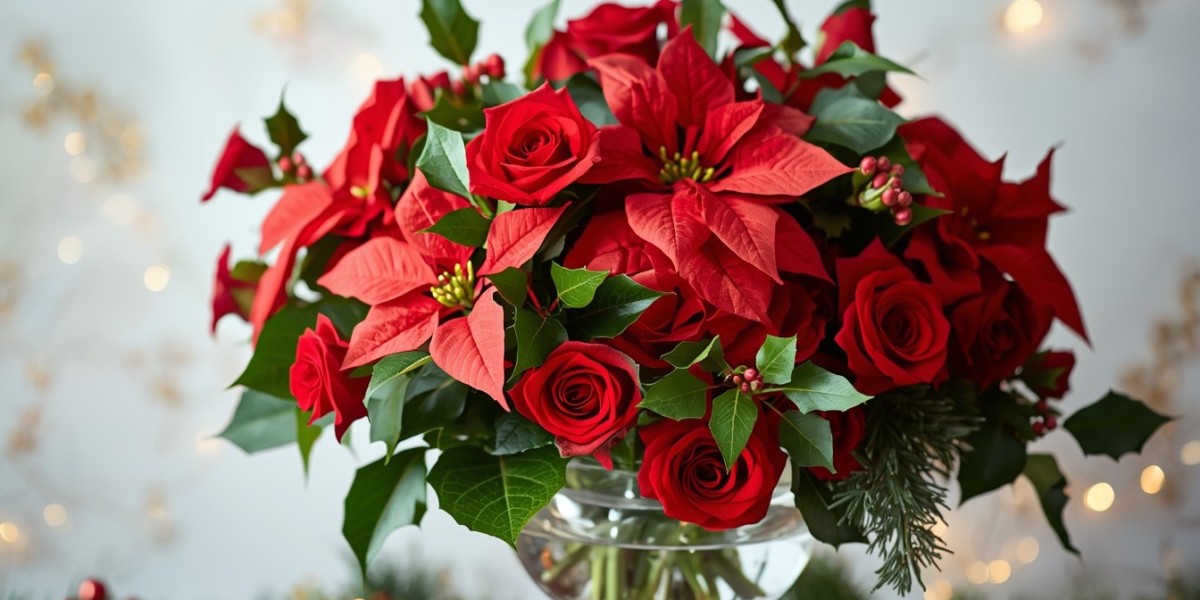

Flowers have long captured human fascination, from the elegance of a single bloom to the vibrant diversity of entire gardens. Whether you are an aspiring gardener, a floral enthusiast, or simply someone who appreciates nature’s artistry, understanding the variety of flowers can greatly enhance your appreciation for these natural wonders. If you want a detailed guide to common types of flowers, this article will explore the most popular blooms, their distinctive features, and tips for incorporating them into your space.
Understanding Flower Diversity
Flowers are not just decorative elements; they play a crucial role in ecosystems as pollinators and contributors to biodiversity. While there are thousands of flowering plants worldwide, certain species stand out for their popularity, ease of care, and versatility. Recognizing these flowers by their form, color, and seasonal bloom can help you select the perfect flowers for gardens, bouquets, or indoor arrangements.
Annuals Versus Perennials
One of the first distinctions in flower classification is between annuals and perennials. Annuals complete their life cycle in a single year, meaning they germinate, bloom, and die within the same season. They are excellent for filling garden beds with seasonal color and creating dynamic floral displays. Common annual flowers include marigolds, petunias, and zinnias, known for their vibrant hues and low maintenance needs.
Perennials, on the other hand, live for multiple years and often require patience as they take time to establish. These flowers return season after season, providing consistent beauty. Popular perennial blooms include daisies, peonies, and daylilies. Choosing a mix of annuals and perennials can create a garden that evolves and thrives throughout the year.
Popular Flower Shapes and Structures
Flowers are often categorized by their physical structure, which influences their aesthetic appeal and gardening requirements. Some common shapes include:
Cup-shaped flowers such as tulips and poppies provide a classic look and are easy to arrange.
Star-shaped flowers like lilies and clematis add dramatic elegance to garden beds and floral arrangements.
Bell-shaped flowers such as foxgloves and bluebells create charming, cascading effects, often favored in shaded gardens.
Flat-topped or clustered flowers including hydrangeas and yarrow bring volume and texture, making them perfect for bouquets or border plantings.
Understanding these structural differences helps gardeners plan visually appealing arrangements and design harmonious outdoor spaces.
Flower Colors and Their Significance
Color plays a vital role in selecting flowers, not only for aesthetics but also for the emotions they convey. Bright red blooms, like roses and geraniums, symbolize passion and energy, while soft pastel flowers such as peonies and lilacs evoke tranquility and elegance. Yellow flowers, including sunflowers and marigolds, bring warmth and cheer to any environment.
Mixing complementary colors or creating monochromatic schemes can dramatically enhance the visual impact of gardens or floral displays. Seasonal color rotations also allow gardeners to maintain year-round vibrancy.
Fragrance and Sensory Appeal
Beyond visual beauty, many flowers offer captivating scents that can transform indoor and outdoor spaces. Roses are renowned for their classic fragrance, while jasmine and gardenias fill the evening air with delicate sweetness. Lavender not only provides a calming aroma but also attracts pollinators, making it an excellent choice for both sensory enjoyment and ecological balance.
When selecting flowers, considering fragrance can elevate the overall experience, particularly in patios, living rooms, or entryways.
Flower Care Essentials
Proper care is crucial for maintaining healthy blooms. While each flower has unique requirements, there are general guidelines that apply to most species:
Sunlight Understanding the sunlight needs of your flowers ensures they thrive. Most annuals prefer full sun, while certain perennials and shade-loving plants flourish in filtered light.
Watering Regular, consistent watering is essential, but overwatering can be as harmful as neglect. Soil type and flower species influence how much water is ideal.
Soil quality Well-draining soil enriched with organic matter supports strong roots and vibrant blooms. Amending soil with compost or natural fertilizers can improve growth.
Pruning and deadheading Removing faded flowers encourages new blooms and prevents disease. Proper pruning techniques vary by species but generally improve overall plant health.
Incorporating Flowers into Your Environment
Flowers are versatile and can be integrated into homes, gardens, and public spaces in creative ways. Container gardening allows for flexible placement on patios, balconies, and windowsills, while traditional garden beds provide structured designs. Vertical gardening with climbing or trailing flowers, such as clematis or morning glories, adds height and visual interest.
Cut flowers from your garden can be used for stunning bouquets or arrangements, making seasonal blooms accessible year-round. Choosing flowers with varying heights, textures, and colors ensures a dynamic and natural composition.
Flowers for Special Occasions
Certain flowers carry symbolic meanings and are preferred for specific occasions. For example, lilies and roses are commonly associated with romance, while chrysanthemums and carnations often feature in sympathy arrangements. Seasonal flowers, like poinsettias during winter holidays, add cultural and festive significance.
Knowing which flowers best convey emotions or celebrate milestones can guide thoughtful gifting and meaningful decoration choices.
Attracting Pollinators with Flowers
Flowers are essential for attracting pollinators, such as bees, butterflies, and hummingbirds. Native flowers often thrive best in local climates and support pollinator populations. Plants like coneflowers, sunflowers, and lavender not only enhance garden beauty but also contribute to ecological health. Including a variety of flowers that bloom at different times ensures continuous food sources for pollinators throughout the year.
Common Mistakes in Flower Gardening
Even experienced gardeners can encounter challenges. Some common mistakes include planting species unsuitable for the local climate, overwatering or underwatering, neglecting soil health, and overcrowding plants. Addressing these issues proactively can improve flower survival rates and overall garden success. Researching each plant’s specific needs and planning layout accordingly reduces frustration and increases long-term satisfaction.
Exploring Unusual Flower Varieties
While many gardeners focus on familiar blooms, exploring less common varieties can bring uniqueness to gardens and floral arrangements. Exotic flowers, rare color variations, and heritage species add intrigue and diversity. Incorporating these plants alongside popular choices creates visual contrast and encourages curiosity about botanical diversity.
Conclusion
Flowers are far more than decorative elements; they are living expressions of beauty, culture, and ecology. From selecting the right types for your garden to understanding their colors, fragrances, and seasonal needs, cultivating flowers enriches both spaces and lives. A well-planned mix of familiar and unique blooms ensures year-round enjoyment and deepens appreciation for the natural world.
FAQ
What are the easiest flowers to grow for beginners
Marigolds, zinnias, and sunflowers are great starter flowers because they require minimal care and bloom abundantly.
How do I make flowers last longer in a vase
Trim stems at an angle, use clean water, change water every few days, and remove wilted blooms promptly.
Can flowers attract beneficial insects to my garden
Yes, planting nectar-rich flowers like lavender, coneflowers, and cosmos supports bees, butterflies, and other pollinators.
Are perennials better than annuals
Perennials return year after year, making them low maintenance long-term, while annuals offer vibrant seasonal color and flexibility.
How important is soil type for flowers
Soil quality is critical; well-draining, nutrient-rich soil supports healthy root growth and abundant blooms.