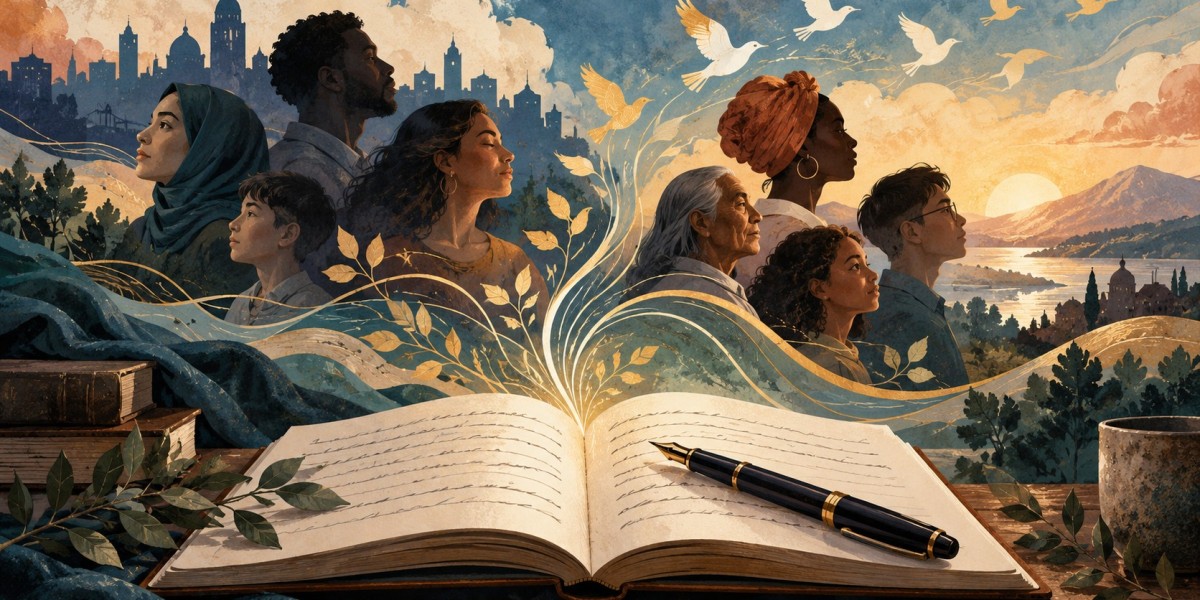

A social justice poet uses poetry to examine inequality, discrimination, identity, power, and the experiences of communities whose voices are often ignored. Rather than simply describing social problems, this poet transforms personal stories, cultural memories, and public struggles into language that encourages reflection and conversation. Their work may address racism, gender inequality, migration, poverty, violence, or human rights while showing how large systems affect everyday lives. Social justice poetry can be direct and urgent, but it can also be quiet, intimate, and personal. Its strength comes from making complex issues emotionally understandable. By connecting individual experiences with social realities, a social justice poet helps readers question unfair conditions, recognize shared humanity, and imagine meaningful change within their communities and society.