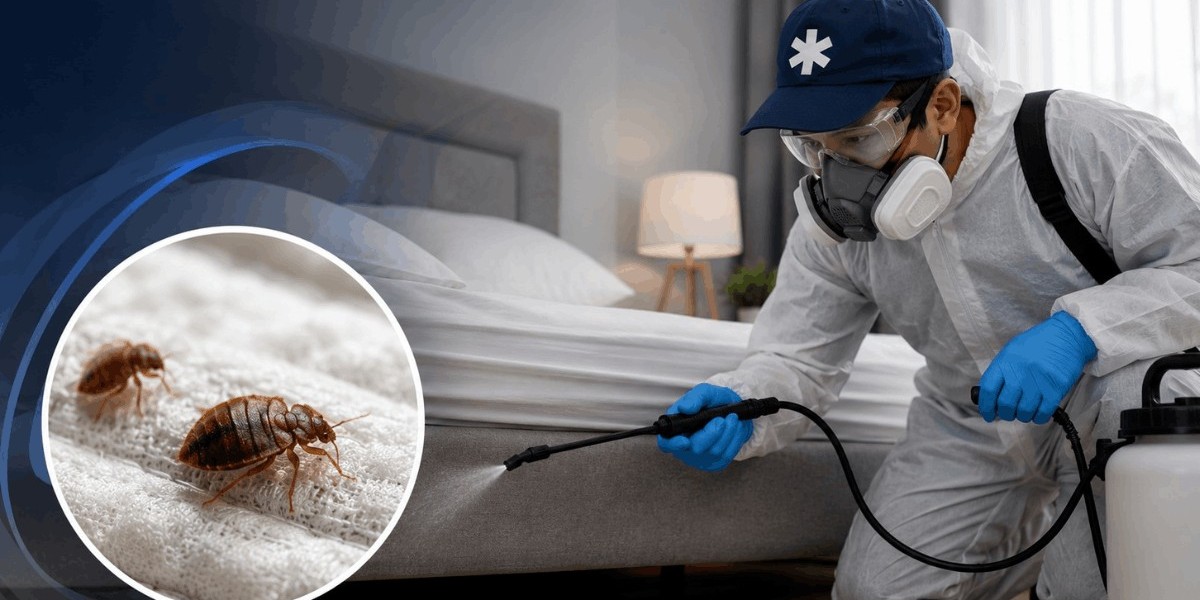

Bed bugs can be surprisingly difficult to eliminate because they are small, good at hiding, and capable of surviving in protected areas that are easy to overlook. Finding one or two insects does not always reveal the full extent of an infestation. Bed bugs may hide in mattress seams, furniture joints, cracks, baseboards, and other narrow spaces around a home.
For homeowners searching for Bed Bugs Removal in Jacksonville, FL, understanding why these pests are difficult to control can help them respond more effectively. The U.S. Environmental Protection Agency (EPA) explains that bed bug control can take time and patience because their biology, hiding behavior, and resistance to some control methods can make eradication challenging.
Why Are Bed Bugs So Difficult to Find?
One of the biggest challenges is their ability to remain hidden. Bed bugs can fit into extremely narrow cracks and crevices, sometimes no wider than a credit card. They often stay close to areas where people sleep or regularly rest, making mattresses, bed frames, sofas, and nearby furniture important inspection points.
Because they can remain concealed during the day, homeowners may not notice an infestation until signs become more obvious. This is one reason a complete bed bug inspection service in Jacksonville, FL is an important part of determining how extensive the problem may be.
Can Bed Bug Eggs Make Elimination More Difficult?
Yes. Bed bug eggs can survive some treatment methods, which means killing visible adult insects does not necessarily eliminate an infestation.
The EPA notes that many pesticides do not kill bed bug eggs, making appropriately timed follow-up treatment important. Eggs that survive an initial treatment can hatch later and restart activity.
This is why homeowners should not assume that the disappearance of visible bugs immediately means the infestation has been completely eliminated.
Where Do Bed Bugs Hide Inside a Home?
Bed bugs can hide in numerous locations, including:
Mattress and box-spring seams
Bed frames and headboards
Upholstered furniture
Furniture joints and drawers
Baseboards
Cracks and crevices
Carpet edges
Luggage and bags
Clutter near sleeping areas
The EPA recommends thorough inspection because overlooking even a few hiding locations can contribute to treatment failure.
For hidden bed bug infestation services in Jacksonville homes, treating only the mattress may therefore leave other areas untouched.
Can Bed Bugs Spread to Other Rooms?
An infestation does not necessarily remain in the room where it was first discovered. Bed bugs can migrate to adjacent rooms and other nearby areas, particularly when their original hiding locations are disturbed or the population increases.
The EPA identifies failure to treat nearby areas where bed bugs may have migrated as one possible reason treatments do not completely control an infestation. In multi-unit housing, adjacent apartments may also need attention.
This makes a complete inspection more useful than focusing only on the location where a homeowner first noticed a bug.
Why Can Clutter Make Bed Bug Control Harder?
Clutter gives bed bugs additional places to hide and can make it harder to inspect and treat affected areas. Boxes, clothing piles, bags, and objects stored beneath beds can create protected spaces.
Reducing clutter does not eliminate bed bugs by itself, but it can make inspection and treatment more manageable. The EPA specifically recommends reducing hiding places as part of an integrated pest management approach.
Homeowners preparing for professional bed bug treatment in Jacksonville, FL should follow any preparation instructions provided by their pest management professional.
Can Bed Bugs Become Resistant to Pesticides?
Some bed bug populations have developed resistance to certain pesticides. This does not mean every pesticide will fail, but resistance can be one factor behind unsuccessful treatments.
The EPA identifies pesticide resistance as one possible cause of treatment failure and recommends using pesticides correctly as part of a comprehensive control strategy.
Repeatedly applying the same product without following its label or using a broader treatment strategy may therefore be ineffective and can create additional safety concerns.
Why Is One Treatment Sometimes Not Enough?
Bed bug control often requires more than a single visit or application. A treatment can miss hidden insects, while eggs that survive may hatch later.
The EPA advises homeowners to prepare for multiple treatment steps and follow-up monitoring because very few infestations are controlled with only one treatment.
For bed bug extermination services in Jacksonville, FL, a structured process may include inspection, preparation, treatment, monitoring, and follow-up.
How Does Integrated Pest Management Help?
Integrated pest management, or IPM, combines multiple control methods instead of relying exclusively on pesticides. Depending on the situation, an IPM approach may include:
Detailed inspection
Reducing clutter
Vacuuming
Heat treatment
Laundering and high-temperature drying
Mattress and box-spring encasements
Bed bug interceptors
Monitoring
Appropriate pesticide applications
Follow-up inspections
The EPA recommends IPM because bed bug control can require several complementary methods and continued monitoring.
Should Homeowners Throw Away Their Furniture?
Not necessarily. Throwing away mattresses or furniture is not automatically required and can be expensive. The EPA advises against immediately discarding belongings because many items can potentially be treated and saved.
Before disposing of furniture, homeowners should determine whether it can be safely treated. If an item cannot be treated effectively, it should be discarded responsibly so that bed bugs are not spread to another location.
What Can Jacksonville Homeowners Do After Treatment?
Follow-up is important because bed bug activity can reappear after an initial treatment. Homeowners should continue monitoring sleeping areas and follow the instructions provided by their pest management professional.
Practical measures can include:
Checking mattress seams regularly
Using appropriate encasements
Monitoring with bed bug interceptors
Keeping areas around beds relatively uncluttered
Washing and heat-drying appropriate bedding
Inspecting used furniture before bringing it indoors
Checking luggage after travel
Reporting new signs promptly
The EPA recommends continued monitoring to determine whether bed bugs have truly been eliminated or whether additional treatment is needed.
When Should Homeowners Seek Professional Bed Bug Removal?
Professional assistance may be appropriate when homeowners find live bed bugs, continue seeing evidence after treatment, discover activity in multiple rooms, or cannot identify all potential hiding locations.
A professional can inspect the property, assess the extent of the infestation, and develop a treatment plan that may involve multiple control methods. The EPA recommends choosing professionals experienced with bed bugs and using integrated pest management practices.
For homeowners looking for Bed Bugs Removal in Jacksonville, FL, early professional assessment can help identify hidden activity and determine what treatment and follow-up may be necessary.
Final Thoughts
Bed bugs can be difficult to eliminate because they hide in tiny spaces, spread into nearby areas, and may leave eggs that survive certain treatments. Clutter, missed hiding places, inadequate preparation, pesticide resistance, and insufficient follow-up can also contribute to unsuccessful control.
A comprehensive approach that combines inspection, physical control methods, appropriate treatments, monitoring, and follow-up can provide a more systematic way to address an infestation.
For Jacksonville homeowners dealing with bed bugs, bed bug removal in Jacksonville, FL should focus on finding hidden activity as well as treating visible signs. Early action and consistent follow-up can help prevent a manageable infestation from becoming a larger household problem.
For More Details: Rank Business Listings