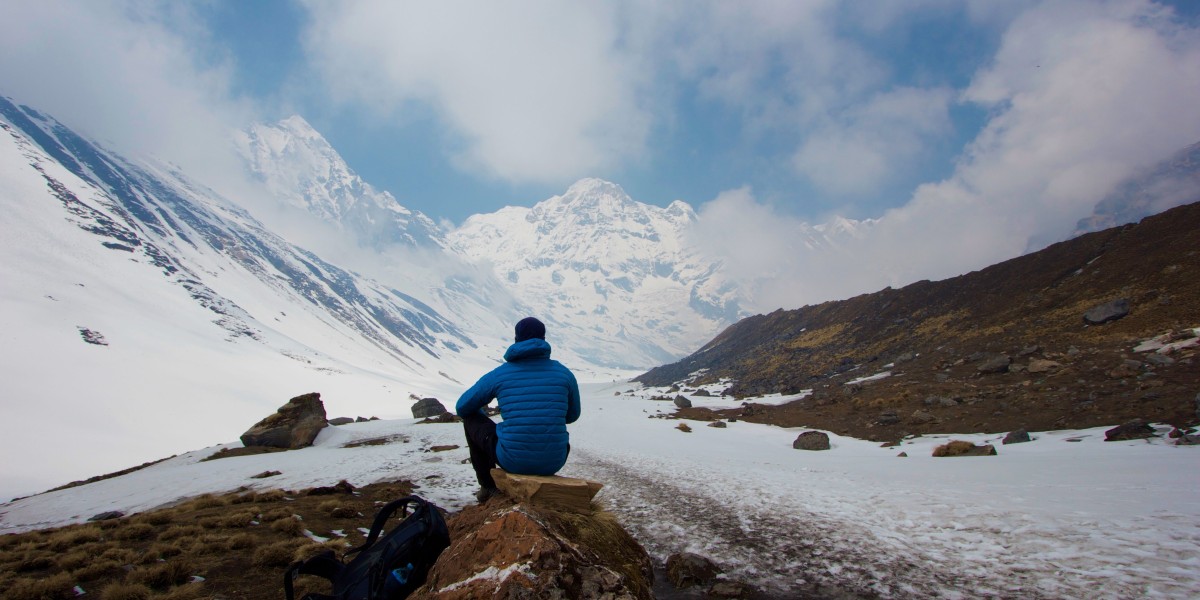

A mountain trail can show you more than peaks and valleys—it can open a door to a whole new way of life. The Annapurna Circuit is famous for its beautiful landscapes, but the journey is also a chance to experience the rich culture of Nepal. Along the trail, trekkers meet local people, visit old monasteries, explore mountain villages, and learn about traditions that have been passed down for generations.
Meet People From Different Communities
One special part of the Annapurna Circuit is the mix of cultures along the trail. Different ethnic communities live in the villages around the route.
You may meet Gurung, Thakali, Magar, Tibetan-influenced, and other local communities. Each group has its own traditions, food, clothing, language, and way of life.
A simple conversation with a local family can become one of the most memorable parts of the trek.
Explore Traditional Mountain Villages
The trail passes through many beautiful villages. These communities have adapted to life in the high mountains for generations.
Stone houses, narrow paths, prayer flags, and traditional buildings give each village its own character. Walking through these settlements lets you see how people live, work, and connect with their neighbors.
Villages such as Manang and Marpha are also popular stops where trekkers can enjoy local surroundings and learn more about mountain life.
Visit Monasteries and Buddhist Sites
Religion is an important part of life in many communities along the Annapurna Circuit. Buddhist monasteries, prayer wheels, chortens, and colorful prayer flags can be seen along the trail.
In some villages, you may hear monks chanting or see people spinning prayer wheels as they walk. These peaceful places offer a chance to slow down and understand the spiritual side of Himalayan life.
Trekkers should always respect local customs when visiting monasteries and religious sites.
Taste Local Food
Food is another great way to experience culture. During the trek, you can try both common Nepali meals and local mountain dishes.
Dal bhat, a meal of rice, lentils, vegetables, and other sides, is a popular choice for trekkers. You may also find Tibetan-style bread, noodles, soups, potatoes, and local apple products in some areas.
Sharing a warm meal in a small mountain teahouse can make a long walking day feel even better.
Learn About Thakali Culture
The Thakali community is well known in parts of the Annapurna region. Places such as Marpha and Tukuche offer a chance to learn more about Thakali traditions.
Thakali food, homes, hospitality, and local products add a special cultural touch to the trek. Marpha is also known for its beautiful stone streets and apple products.
These small details make the journey more than just a walk through the mountains.
Experience Local Festivals and Traditions
Depending on the season of your trek, you may see local celebrations or traditional events. Festivals can include music, dancing, religious rituals, and community gatherings.
These experiences give visitors a closer look at how people celebrate their beliefs and maintain their traditions. However, it is important to observe respectfully and follow local customs.
Trek With Rai Holidays Adventure
Rai Holidays Adventure helps trekkers experience the Annapurna Circuit with proper planning and local support. Its services can include experienced trekking guides, permits, transportation, accommodation, meals, and other trekking arrangements.
Local guides can also help trekkers understand the meaning behind cultural sites, village traditions, and local customs. Their knowledge can make cultural experiences easier to understand and more meaningful.
With good planning and support, trekkers can focus on enjoying the trail, meeting local people, and discovering the culture of the region.
Culture Makes the Journey Special
The Annapurna Circuit is not only about high mountains and beautiful landscapes. It is also about people, traditions, food, religion, and village life.
From sharing a meal with local families to walking past ancient monasteries, each experience adds something new to the journey. These cultural moments can turn a Himalayan trek into a deeper and more memorable travel experience.