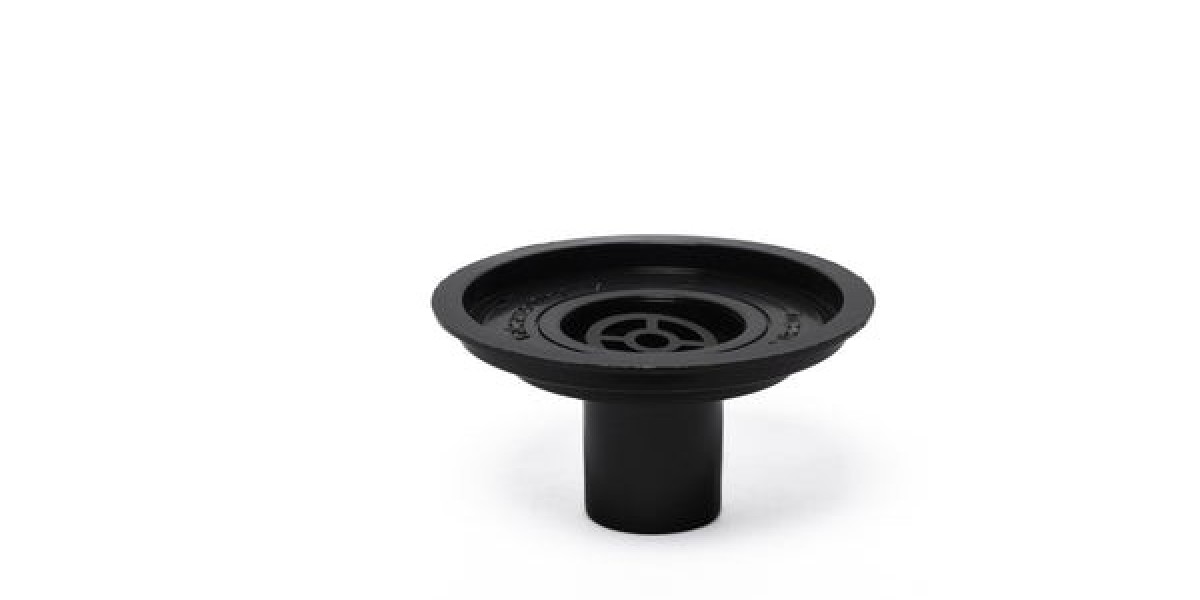

Many homeowners are surprised to learn that a dangerous gas can accumulate indoors without any visible warning signs. Radon is colorless, odorless, and naturally occurs in the soil beneath homes. For homeowners researching Volcano drain radon, understanding how underground gases can enter through drainage pathways is especially important. While radon often remains unnoticed, elevated levels can pose serious health concerns over time. Understanding the factors that contribute to indoor radon buildup is the first step toward protecting your household and maintaining a safer living environment.
What Is Radon And Why Does It Matter?
Radon is a radioactive gas produced when uranium, thorium, and radium naturally break down in rocks and soil. As this process occurs underground, radon can move through the ground and enter buildings through openings in foundations.
Long-term exposure to elevated radon levels is one of the leading causes of lung cancer among non-smokers. Because it cannot be detected by sight, smell, or taste, testing remains the only reliable way to determine whether a home has a radon problem.
In many cases, homeowners become aware of elevated levels only after conducting a professional radon test or using a home testing kit.
How Radon Enters Residential Properties
A common misconception is that only old or poorly maintained homes experience radon issues. In reality, any building can be affected regardless of age, design, or location.
During normal pressure changes inside a house, air is drawn upward and outward. This creates a vacuum effect that can pull soil gases into the structure. Volcano drain radon concerns are often discussed when examining specialized pathways that allow underground gases to travel through drainage systems and foundation openings.
Once radon enters a home, it can accumulate if ventilation is insufficient.
Soil Composition And Geological Conditions
Uranium-Rich Soil
One of the most significant factors affecting radon levels is the natural composition of the soil surrounding a property.
Areas with higher concentrations of uranium-containing rock often produce more radon gas. Regions with granite, shale, phosphate rock, and certain volcanic formations may experience elevated radon generation.
The more uranium present underground, the greater the potential for radon production.
Porous Soil Structures
Not all soils transport radon at the same rate.
Porous soils such as gravel and coarse sand allow gases to move more freely. Dense clay soils may slow gas movement, although they do not completely eliminate the possibility of radon infiltration.
Properties built on highly permeable soil often experience greater radon migration toward foundations.
Natural Geological Faults
Cracks and fractures in bedrock can create pathways that allow radon gas to travel significant distances underground.
Homes situated near geological fault lines may experience elevated radon concentrations because gases can move through these underground channels more efficiently.
Foundation Design And Structural Openings
Cracks In Concrete Floors
Even small cracks in basement floors can provide entry points for radon.
As pressure differences develop between indoor and outdoor environments, soil gases are drawn through these openings. Over time, these pathways may become major contributors to indoor radon accumulation.
Regular inspections can help identify and seal visible foundation cracks.
Gaps Around Utility Penetrations
Water pipes, electrical conduits, sump pumps, and sewer lines frequently create openings in foundations.
Although these gaps may seem minor, they can allow substantial amounts of soil gas to enter a building over time. Proper sealing around utility penetrations helps reduce potential entry points.
Crawl Spaces
Homes with crawl spaces can be especially vulnerable to radon intrusion.
Exposed soil beneath the structure creates a direct connection between the home and the ground. Without proper vapor barriers and ventilation systems, radon may enter living areas more easily.
Drainage Systems And Radon Entry
Floor Drains And Sump Pits
Drainage systems are often overlooked during radon assessments.
Floor drains, sump pits, and drainage channels may connect directly to soil beneath the home. If these systems are not properly sealed, they can serve as pathways for drain radon infiltration.
Professional inspections frequently include an evaluation of these areas because they may contribute significantly to indoor radon levels.
French Drains And Foundation Drains
Many homes use perimeter drainage systems to control groundwater.
While these systems effectively manage moisture, they can also create channels through which soil gases travel. Radon can move through these drainage networks and enter interior spaces if proper mitigation measures are not in place.
Aging Drain Components
Over time, drainage components may deteriorate.
Cracked pipes, damaged seals, and worn drain covers can increase opportunities for radon entry. Routine maintenance helps identify issues before they contribute to elevated indoor concentrations.
Seasonal And Weather Influences
Winter Conditions
Radon levels often rise during colder months.
Homeowners tend to keep windows and doors closed during winter, reducing natural ventilation. At the same time, heated indoor air creates stronger pressure differences that pull more soil gas into the building.
As a result, winter testing frequently reveals higher radon readings.
Heavy Rainfall
Rain can temporarily affect radon movement underground.
When soil becomes saturated, gas pathways near the surface may become restricted. This can force radon to seek alternative routes, including openings beneath homes.
In some situations, prolonged rainfall may increase indoor radon concentrations.
Wind And Atmospheric Pressure
Weather patterns also influence radon entry.
Changes in barometric pressure can alter how gases move through soil. Strong winds may increase pressure differences around a home, encouraging greater radon infiltration through foundation openings.
Home Ventilation And Airflow Patterns
Limited Air Exchange
Poor ventilation can allow radon to accumulate over time.
When indoor air is not regularly exchanged with outdoor air, radon concentrations can gradually increase. Modern energy-efficient homes are often tightly sealed, which can unintentionally trap radon indoors.
Exhaust Fans And Mechanical Systems
Certain household systems can create negative pressure.
Examples include:
- Bathroom exhaust fans
- Kitchen range hoods
- Clothes dryers
- Central vacuum systems
- Combustion appliances
When these systems remove indoor air, replacement air may be drawn from the soil beneath the home, carrying radon along with it.
Finished Basements
Finished basements are often used as living spaces, offices, or recreation rooms.
Because these areas are closer to the soil, occupants may experience greater exposure if radon levels are elevated. Testing finished basements is especially important since people often spend significant time there.
Building Materials And Construction Factors
Radon Released From Materials
Although soil remains the primary source of radon, some building materials can release small amounts of radioactive gas.
Materials such as natural stone and certain concrete products may contribute minor levels. However, their impact is generally much lower than radon entering from the ground.
Construction Quality
The quality of construction can influence radon entry.
Well-sealed foundations with proper moisture barriers and drainage systems typically reduce opportunities for gas infiltration. Conversely, construction defects may create multiple pathways for radon movement.
Home Additions And Renovations
Renovation projects sometimes alter airflow patterns within a structure.
New rooms, basement modifications, or changes to HVAC systems can unintentionally affect pressure relationships. These changes may increase or decrease radon levels depending on the circumstances.
Practical Steps To Reduce Radon Risks
Homeowners can take several proactive measures to minimize radon exposure.
Conduct Regular Testing
Testing remains the most important step.
Both short-term and long-term radon tests are widely available. Professional testing may provide more detailed information about indoor conditions.
Seal Foundation Openings
Reducing entry points can help limit radon infiltration.
Focus on:
- Foundation cracks
- Utility penetrations
- Floor-wall joints
- Sump pit covers
- Drain openings
Although sealing alone may not eliminate radon, it often supports other mitigation efforts.
Improve Ventilation
Increasing air circulation can reduce radon concentrations.
Opening windows when weather permits and improving basement ventilation may help lower indoor levels. However, ventilation alone may not be sufficient for homes with significant radon problems.
Install Radon Mitigation Systems
For elevated readings, professional mitigation systems are often the most effective solution.
Sub-slab depressurization systems use fans and piping to safely redirect radon gas outdoors before it enters living spaces. These systems can significantly reduce indoor concentrations when properly installed.
Why Every Home Should Be Tested
Many people assume radon affects only certain regions or older properties.
However, neighboring homes can have dramatically different radon levels despite sharing similar construction and geology. A home with no visible foundation issues may still contain elevated concentrations.
Because radon is impossible to detect without testing, every homeowner benefits from understanding their property's risk level. Testing provides valuable information that supports informed decisions about safety and mitigation.
Conclusion
Radon levels inside homes can increase for many reasons, including soil composition, geological conditions, foundation cracks, drainage systems, weather patterns, and ventilation issues. Even well-maintained homes can experience elevated radon concentrations if underground gases find pathways into living spaces. Factors such as drain radon entry points, pressure differences, and seasonal changes can further influence indoor levels. The good news is that testing and mitigation solutions are widely available and highly effective. By understanding what increases radon levels and taking preventive measures, homeowners can create a healthier indoor environment and reduce long-term exposure risks for their families.