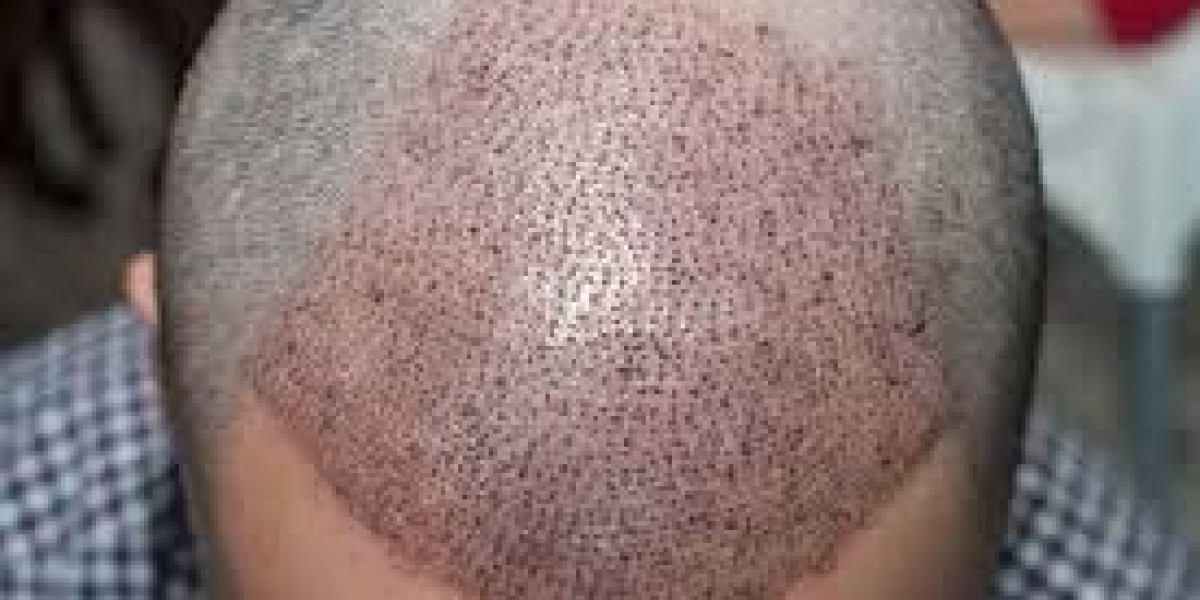

A hair transplant is a long-term solution for people experiencing hair thinning, receding hairlines, or pattern hair loss. However, the results do not appear immediately after the procedure. Hair growth happens gradually as transplanted follicles adjust to their new location and enter their natural growth cycle.
Understanding the expected Hair Transplant in Dubai timeline can help you have realistic expectations and recognize what is normal during recovery. While every patient is different, noticeable improvement generally develops over several months, with the final outcome often becoming clearer around 12 months or longer.
When Does Hair Start Growing After a Hair Transplant?
Newly transplanted hair follicles need time to settle into the scalp. During the first few weeks, the transplanted hairs may remain visible before entering a temporary shedding phase.
This process is commonly known as shock loss or postoperative shedding. It can look concerning, but shedding of the transplanted hair shafts does not necessarily mean the follicles have been lost. The follicles can remain healthy beneath the skin and later produce new hair.
Initial new growth may begin around the third or fourth month, although some people may notice changes earlier or later.
Hair Transplant Results Month by Month
First Month: Healing and Adjustment
During the first few weeks, the scalp is primarily focused on healing. Mild redness, swelling, scabbing, tenderness, or sensitivity can occur depending on the individual and the technique used.
The transplanted hairs may start shedding during this period. This is generally part of the normal hair restoration process rather than an indication that the transplant has failed.
Following the clinic's aftercare instructions is particularly important during this stage.
Months 2 to 3: The Resting Phase
The second and third months can feel like a slow period because there may be little visible hair growth. The follicles are adapting beneath the scalp while preparing for a new growth cycle.
Patients should not judge the final outcome during this stage. Hair restoration requires patience because follicles do not all enter the growth phase simultaneously.
Months 3 to 4: Early New Growth
Around the third or fourth month, some patients begin to see small, fine hairs emerging from the transplanted areas. These hairs may initially look thin or lighter than the surrounding hair.
Early growth can be uneven, which is normal. Hair density generally improves as more follicles enter the active growth phase.
Months 5 to 6: Noticeable Improvement
By approximately five to six months, many patients begin seeing more obvious changes. Newly growing hairs can become longer and thicker, helping the treated areas look fuller.
The hair may still lack its final density and texture at this point. Continued growth is expected over the following months.
Months 7 to 9: Increasing Density
Between seven and nine months, hair growth usually becomes more noticeable. The transplanted hair continues to mature, and the overall appearance can become fuller.
Hair texture may also gradually become more similar to existing hair. However, results vary according to factors such as genetics, the extent of hair loss, follicle characteristics, and individual growth cycles.
Months 10 to 12 and Beyond: Maturing Results
Around 10 to 12 months, many patients can assess a much more developed result. The transplanted hair may continue becoming thicker and more natural-looking.
For some individuals, particularly when larger areas are treated or growth is slower, maturation can continue beyond 12 months. A final assessment should therefore be based on the individual's progress rather than a fixed deadline.
What Factors Affect Hair Transplant Results?
Several factors can influence how quickly and effectively transplanted hair develops.
Hair transplant technique: Different techniques, such as FUE and FUT, involve different approaches to harvesting and placing follicles.
Number and quality of grafts: The available donor hair and the characteristics of the follicles can affect the eventual density.
Natural hair growth cycle: Every person's follicles follow individual growth patterns, so results can appear at different times.
Extent of hair loss: Patients with more extensive thinning may require careful planning to achieve balanced coverage.
Aftercare: Protecting the scalp and following professional instructions can help support proper healing.
Overall health and lifestyle: General wellbeing, nutrition, stress levels, and existing hair-loss patterns may also influence hair quality and growth.
How Can You Support the Hair Growth Process?
After a hair transplant, following professional aftercare instructions is one of the most important steps. Patients may be advised to avoid unnecessary pressure or friction on the scalp during the early healing period.
It is also important to avoid making decisions based on short-term changes. Temporary shedding can occur, and early growth may appear thin or uneven before becoming more developed.
A healthy diet containing adequate protein, vitamins, minerals, and other essential nutrients can support normal hair health. However, supplements should not be taken unnecessarily; professional guidance is preferable if nutritional deficiencies are suspected.
When Should You Contact a Hair Transplant Clinic?
Regular follow-up appointments can help monitor healing and hair growth. Contact your treatment provider if you experience unexpected symptoms, persistent discomfort, signs of infection, or concerns about your recovery.
A professional evaluation can also help determine whether your progress is consistent with your individual treatment plan.
Hair Transplant at Tajmeels Clinic
At Tajmeels clinic , hair transplant treatment can be approached with attention to the patient's pattern of hair loss, donor area, hairline, and desired appearance. A personalized assessment helps determine an appropriate treatment strategy rather than using the same approach for every patient.
The clinic can also guide patients through preparation, recovery, and follow-up so they understand what to expect as their transplanted hair develops. Setting realistic expectations is an important part of achieving satisfaction with a hair restoration procedure.
Final Thoughts
A hair transplant is a gradual process rather than an instant transformation. Shedding can occur during the early weeks, initial growth may become visible around three to four months, and noticeable improvement often develops during the following months. More mature results can typically be assessed around 10 to 12 months, although some patients may continue seeing changes beyond this point.
The key to evaluating a hair transplant is patience. With appropriate treatment planning, professional care, and realistic expectations, transplanted follicles can gradually develop into natural-looking hair that complements the patient's existing appearance.
More Information
Tajmeels Clinic Dubai
WhatsApp: +971 56 203 8751
Phone: tel:+971 43739000
Social Media:












