
Anyone who has attended a large industry conference knows how much happens at once. A keynote speaker takes the main stage while several breakout sessions run simultaneously down the hall, and an expo floor buzzes with vendor conversations the entire time. Capturing all of that accurately is exactly what a conference photographer is trained to do.
Unlike a single focus event like a wedding or private party, conferences demand coverage across multiple formats within the same day, often requiring careful planning to avoid missing content happening in different places at once.
Covering the Keynote Stage
Keynote addresses are usually the centerpiece of any conference, and they come with unique technical challenges. Stage lighting is often dramatic and uneven, with speakers moving across a large area under spotlights while the rest of the room sits in relative darkness. Photographers need equipment capable of handling this contrast without resorting to flash, which would be disruptive to both the speaker and the audience.
Documenting Breakout Sessions
While the keynote stage gets most of the attention, breakout sessions often contain some of the most valuable content for marketing purposes. These smaller, more focused discussions allow for closer, more intimate shots of speakers and audience engagement. Coverage here tends to feel less formal than main stage photography, capturing genuine interaction rather than polished, staged moments.
For conferences with multiple simultaneous breakout rooms, planning becomes essential. A single photographer simply cannot be in two rooms at once, which is why larger conferences often benefit from multiple photographers working in coordination.
The Expo Floor Tells Its Own Story
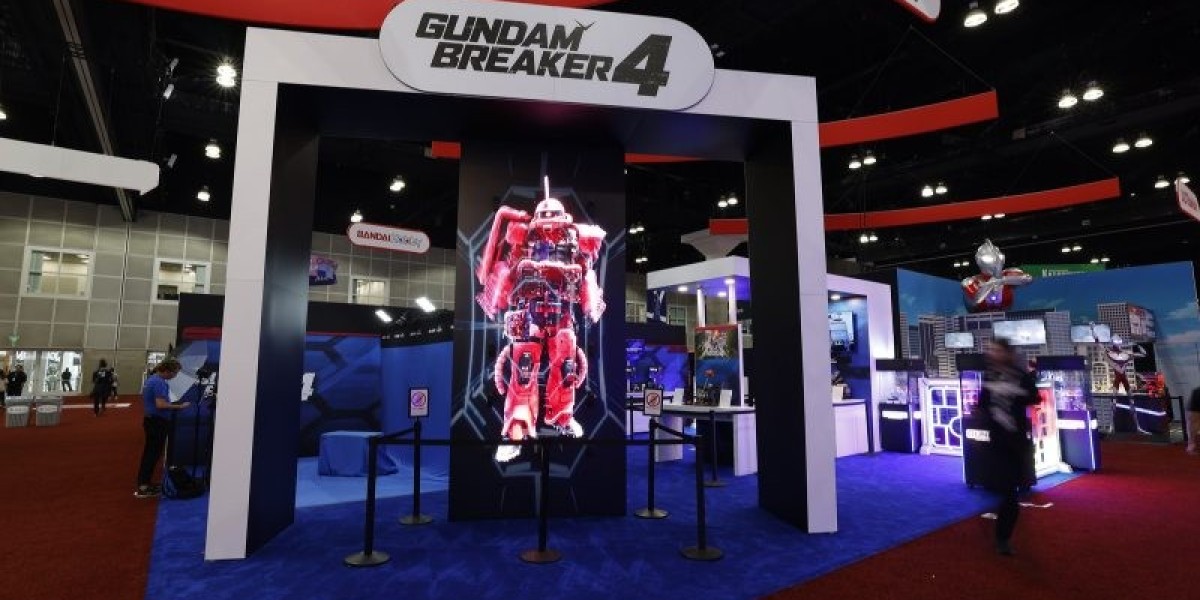
Many conferences pair keynote programming with an exhibition floor where sponsors and exhibitors showcase products and services. This part of the event calls for a different photographic approach entirely, focused on booth design, vendor interactions, and close up product demonstrations that exhibitors can use in their own future marketing.
A Real World Example Worth Noting
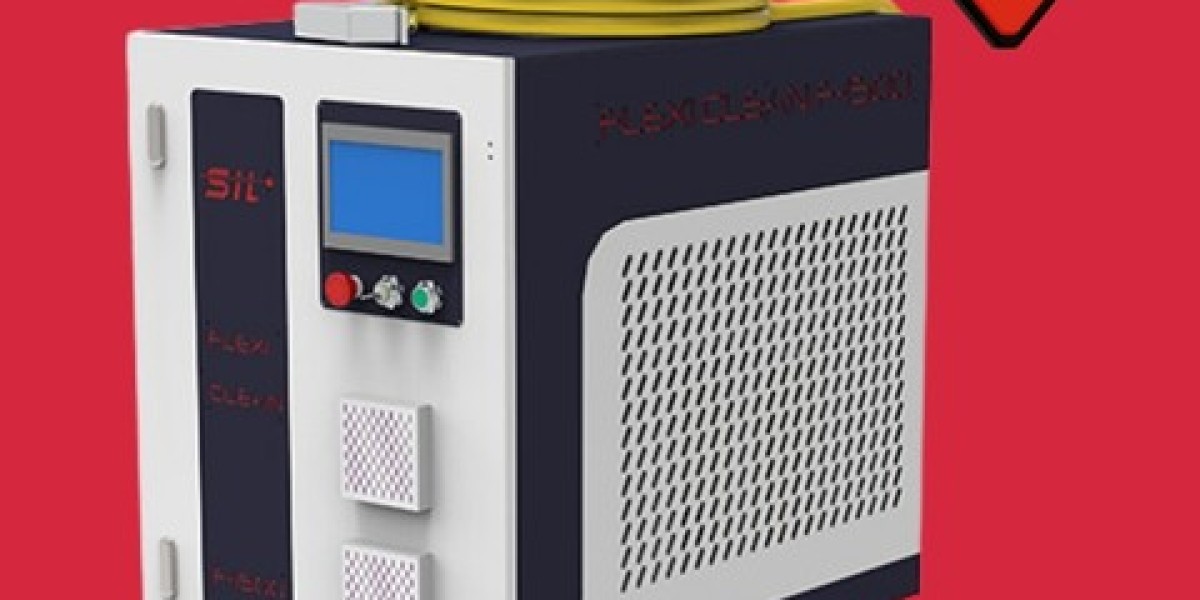
One notable example of this kind of layered coverage involved a major fiber optics industry conference held at the Los Angeles Convention Center, where a global exhibitor needed both formal coverage of keynote presentations and close, technical shots of their live product demonstrations on the show floor. This kind of event requires a photographer comfortable shifting between wide stage shots and tight, detailed product photography within the same shoot.
Working with an experienced conference photographer who understands this kind of range makes a measurable difference when your conference combines formal programming with an active vendor floor.
Why Venue Familiarity Speeds Everything Up
Los Angeles hosts major conferences across several key venues, including the Los Angeles Convention Center, the Pasadena Convention Center, and the Anaheim Convention Center. Photographers who regularly shoot at these specific locations already understand their layouts, typical lighting setups, and general pacing, which reduces planning time considerably compared to working with someone unfamiliar with the space.
What a Strong Coverage Plan Includes
Before the conference even begins, a well prepared photography team typically works through a few key planning steps.
Reviewing the full conference agenda to identify priority sessions
Confirming whether multiple photographers are needed for simultaneous coverage
Scouting the venue ahead of time when possible to understand lighting conditions
Coordinating with organizers on specific shots needed for press or marketing use
Final Thoughts
Conference photography requires range, from formal keynote stage coverage to candid breakout session moments to detailed expo floor shots. A photographer experienced specifically with this format understands how to move between these different styles smoothly, which ultimately determines whether your conference gets documented completely or leaves gaps in the story.