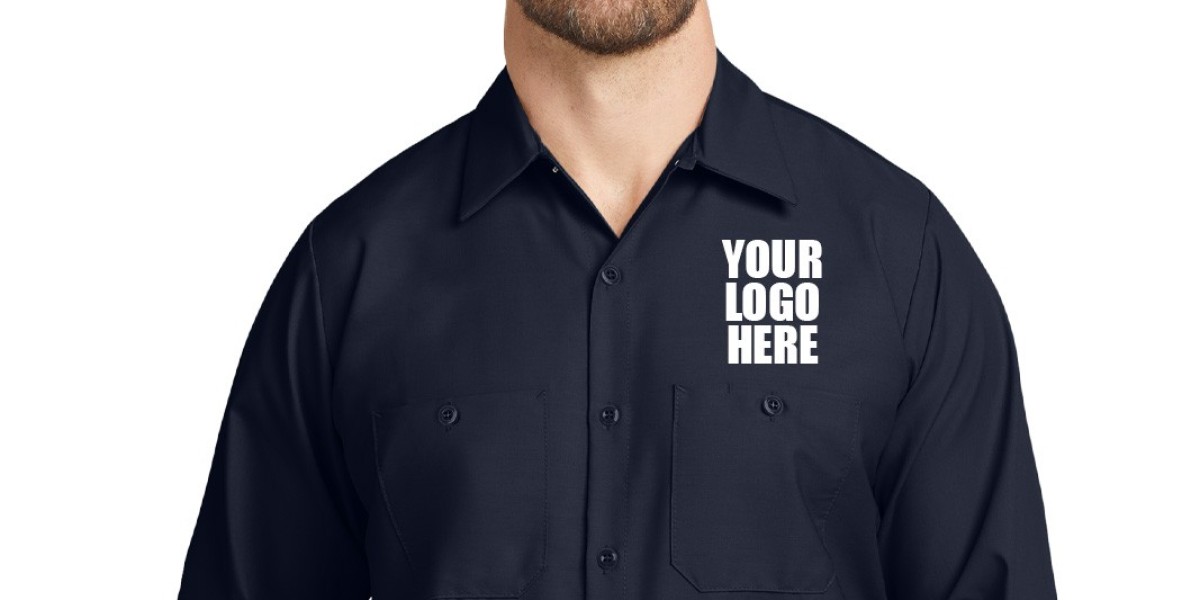

Choosing the right shirt for a work uniform involves more than picking a garment and adding a logo. The best option depends on the type of work being done, how often the shirts will be worn and washed, and how the branding needs to hold up over time. Here's a detailed look at what to consider when selecting custom shirts for a uniform, along with which garment types and printing methods tend to work best across different industries.
Start with the Type of Work Being Done
The nature of the job is the biggest factor in choosing a uniform shirt:
Office and customer-facing roles generally suit polo shirts or button-up shirts, which present a neat, professional look while still being comfortable for a full workday.
Trade and outdoor work calls for more durable, breathable fabrics that can handle movement, sun exposure, and regular washing, such as workwear shirts from brands like Hard Yakka, King Gee, and Syzmik.
Hospitality roles often benefit from moisture-wicking or lightweight polos and tees, since staff are usually on their feet and moving quickly throughout a shift.
Warehouse and industrial settings may require heavier-duty fabrics or safety-compliant garments, depending on the environment and any workplace safety requirements.
Fabric Choice Matters More Than It Seems
The fabric a uniform shirt is made from affects comfort, durability, and how well it holds up to frequent washing:
Cotton is breathable and comfortable for indoor or lower-intensity roles but can wrinkle more easily and shrink slightly over time.
Polyester and poly-blends resist wrinkling and shrinking, dry faster, and hold their shape well, making them a common choice for uniforms that need to look neat shift after shift.
Performance fabrics with moisture-wicking properties suit physically active roles, such as hospitality, trades, or outdoor work, where breathability and quick drying matter.
Heavier cotton-drill or cotton-blend fabrics are often used in workwear shirts for their durability against wear and tear in physically demanding environments.
Polo Shirts vs. T-Shirts vs. Button-Ups
Polo shirts strike a balance between casual and professional, making them the most commonly chosen option for uniforms across retail, hospitality, trades, and office environments.
T-shirts suit more casual workplaces, events staff, or roles where a relaxed look is appropriate, and they're often more cost-effective for large teams.
Button-up shirts offer the most formal appearance and are typically chosen for client-facing roles, management, or industries where presentation is a priority.
Choosing the Right Printing Method for Uniform Branding
Embroidery is generally the preferred method for uniform shirts because it produces a durable, professional-looking logo that withstands repeated washing far better than most print methods, making it well suited to polos and button-ups.
Screen printing works well for larger logo placements or back-of-shirt branding, particularly on t-shirts, and holds up well over time when properly cured.
DTF offers flexibility for multi-colour logos on a range of fabrics and is a practical option when order sizes are too small to justify screen printing setup costs.
Heat transfer vinyl can suit smaller orders or shirts that need individual names added, such as staff name tags on uniform polos.
For uniforms specifically, embroidery is usually the standout choice for chest logos since it holds up to industrial washing and daily wear far longer than most printed alternatives.
Colour and Design Considerations for Uniforms
Darker colours tend to hide stains and wear better, which matters for roles involving food, cleaning products, or outdoor dirt and grease.
Brand colours should be matched as closely as possible using embroidery thread charts or Pantone-matched inks, depending on the printing method chosen.
Logo placement is typically kept to the left chest for a professional look, with larger branding reserved for the back if additional visibility is needed, such as in hospitality or trade settings.
Sizing and Fit for a Uniform Order
Uniforms typically benefit from a slightly more relaxed or true-to-size fit rather than a fashion-forward slim cut, since staff need to move comfortably throughout a shift. Ordering a size run based on staff measurements, rather than guessing generic sizing, helps avoid costly reorders and ensures a consistent, tidy look across the whole team.
Popular Brands for Work Uniform Shirts
Biz Collection and Aussie Pacific offer a wide range of polos and button-ups suited to office and hospitality uniforms.
JB's Wear provides workwear-focused shirts built for durability in trade and industrial settings.
Hard Yakka, King Gee, and Syzmik specialise in heavy-duty workwear designed for physically demanding roles.
AS Colour and Gildan are common choices for more casual uniform tees, particularly for hospitality or events staff.
Frequently Asked Questions
What's the most durable printing method for work uniforms?
Embroidery is generally the most durable option for uniform logos, since the design is stitched into the fabric rather than sitting on top of it, allowing it to withstand frequent industrial washing.
Should uniform shirts be cotton or polyester?
It depends on the role cotton suits lower-intensity, indoor work for its breathability, while polyester and poly-blends are better suited to physically active or outdoor roles due to their wrinkle and shrink resistance.
Are polo shirts a good choice for all industries?
Polo shirts work well across most industries because they balance a professional appearance with comfort, though heavier trade or industrial roles may require more specialised workwear fabrics.
Can staff names be added to uniform shirts?
Yes, names can be added individually using embroidery or heat transfer vinyl, both of which allow for personalised details without needing to set up a full print run for each variation.
How many uniform shirts should each staff member get?
This depends on the role and washing frequency, but most workplaces provide two to three shirts per staff member to allow for regular rotation and washing without gaps in uniform availability.