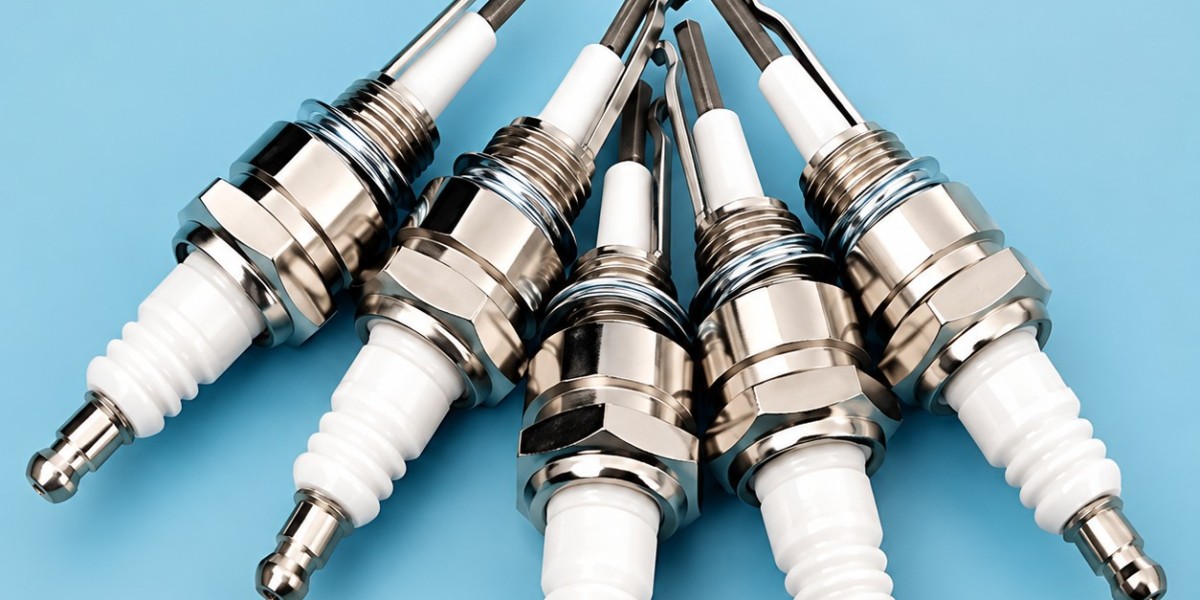

An alumina plug is a specialized ceramic component made primarily from alumina, a material known for its excellent heat resistance, chemical stability, hardness, and electrical insulation properties. Alumina plugs are widely used in industrial, laboratory, ceramic, metallurgical, and high-temperature applications where ordinary materials may fail under demanding conditions. Their ability to withstand intense heat and harsh environments makes them a useful choice for processes that require reliable sealing, protection, insulation, or positioning.
Understanding what an alumina plug is and how it works can help industries and users select the right ceramic component for their applications. The performance of an alumina plug depends on factors such as alumina purity, shape, dimensions, manufacturing method, surface finish, and operating environment. Because of these factors, alumina plugs are available in different designs to meet specific technical requirements.
What Is an Alumina Plug?
An alumina plug is a ceramic plug manufactured from alumina, also known as aluminum oxide. Alumina is an inorganic ceramic material with a combination of properties that make it suitable for demanding industrial environments. It is generally produced from alumina powder that is shaped and processed through controlled ceramic manufacturing methods before being fired at high temperatures.
The finished plug can have a dense and strong ceramic structure. Depending on its intended application, an alumina plug may be designed with a smooth surface, tapered shape, straight profile, hole, groove, or customized geometry. The design is selected according to how the plug will be installed and what type of function it needs to perform.
Unlike many metal or polymer components, alumina does not easily soften or degrade when exposed to high temperatures. This makes alumina plugs particularly useful in applications involving furnaces, heating equipment, laboratory instruments, and high-temperature processing systems.
Why Is Alumina Used for Plugs?
Alumina is selected for plug manufacturing because it provides a valuable combination of thermal, mechanical, chemical, and electrical properties. A plug used in a demanding environment must remain stable while exposed to heat, chemicals, pressure, or electrical conditions. Alumina can provide reliable performance in many of these situations.
One of the most important characteristics of alumina is its high temperature resistance. Ceramic components made from alumina can maintain their structural stability under conditions where plastics and many other materials would soften or deteriorate. This makes alumina plugs useful in thermal processing and laboratory environments.
Alumina is also hard and wear resistant. This characteristic helps the plug maintain its shape when it is exposed to friction or repeated handling. Its chemical resistance also makes it suitable for environments where corrosive substances or reactive materials may be present.
Another important benefit is electrical insulation. Alumina is commonly used as an electrical insulating ceramic, so an alumina plug can provide both physical protection and electrical isolation when required.
Properties of Alumina Plug
The properties of an alumina plug depend on the grade and manufacturing process, but several characteristics are commonly associated with high-quality alumina ceramic components.
High Temperature Resistance
Alumina has excellent thermal stability, which allows it to perform in high-temperature environments. This is one of the main reasons alumina plugs are used in furnaces, heating systems, laboratory equipment, and ceramic processing.
A properly selected alumina plug can help protect openings, components, or sensitive areas from direct exposure to heat. Its thermal performance makes it particularly useful where temperature changes are frequent or operating temperatures are elevated.
Excellent Hardness
Alumina is a hard ceramic material. Its hardness provides good resistance against mechanical wear and surface damage. This can be beneficial when a plug needs to remain dimensionally stable during repeated use or contact with other components.
The hardness of alumina also contributes to its long service life in suitable applications. However, like many ceramics, alumina can be brittle and should be handled and installed correctly.
Chemical Resistance
Chemical stability is another major advantage of alumina. Alumina ceramics can resist many chemical environments better than conventional materials. This makes alumina plugs useful in laboratories and industrial processes involving aggressive substances.
The exact level of chemical resistance depends on the chemical involved, temperature, concentration, exposure time, and alumina grade. Therefore, compatibility should always be evaluated for a specific application.
Electrical Insulation
Alumina is a strong electrical insulator. This property makes alumina plugs useful in electrical and electronic equipment where insulation is required.
The material can help prevent unwanted electrical conduction between components while also providing mechanical support. This combination makes alumina ceramics valuable in demanding electrical environments.
Dimensional Stability
A good-quality alumina plug can maintain its shape and dimensions under demanding operating conditions. This is particularly important when a plug must fit precisely into an opening or work alongside other ceramic or metal components.
Dimensional stability can contribute to reliable operation and reduce the risk of premature component failure.
Common Uses of Alumina Plug
Alumina plugs have a wide range of applications because of their resistance to heat, chemicals, wear, and electrical conduction. They are used in industries where conventional materials may not provide sufficient performance.
Furnace Applications
Furnaces often operate at extremely high temperatures, creating demanding conditions for internal components. Alumina plugs can be used to close openings, protect areas, support components, or provide insulation within furnace systems.
Their ceramic structure allows them to remain stable in environments where many plastics and other materials cannot survive.
Laboratory Equipment
Laboratories use alumina ceramic components for high-temperature experiments, material testing, thermal processing, and chemical applications. Alumina plugs can be used with laboratory tubes, containers, heating systems, and specialized experimental equipment.
Their chemical stability and thermal resistance make them useful where precise and reliable ceramic components are required.
Ceramic Manufacturing
The ceramic industry uses alumina plugs and other ceramic components during different manufacturing and processing operations. A plug may be used to close an opening, support a component, or control the movement of material during processing.
Because alumina is itself a ceramic material, it can perform well in environments involving high temperatures and ceramic processing.
Metallurgical Processing
Metallurgical processes can involve extreme heat and aggressive operating environments. Alumina plugs can be used in certain high-temperature systems where resistance to thermal exposure and chemical attack is important.
Their application may vary depending on the metal, furnace design, atmosphere, and process conditions.
Electrical and Electronic Equipment
Alumina's insulating properties make it valuable for electrical and electronic applications. Alumina plugs can provide insulation, physical separation, or protection around electrical components.
They may be incorporated into specialized equipment where both electrical insulation and thermal performance are required.
Benefits of Using an Alumina Plug
One of the biggest advantages of an alumina plug is its ability to perform in environments that are challenging for other materials. Its high temperature resistance makes it suitable for thermal applications, while its hardness helps provide resistance to wear.
Another benefit is its chemical stability. In appropriate environments, alumina can resist degradation caused by various chemicals. This can improve component reliability and reduce the need for frequent replacement.
Alumina plugs also offer electrical insulation, which can be important in equipment where electrical isolation is necessary. Their dimensional stability allows manufacturers to create components with precise shapes and sizes for specialized applications.
The combination of these properties makes alumina plugs useful across multiple industries rather than being limited to a single type of equipment.
How Is an Alumina Plug Manufactured?
The manufacturing process generally begins with carefully prepared alumina powder. The powder may be combined with suitable processing additives to achieve the desired forming characteristics. The material is then shaped into the required plug design.
Different forming techniques may be used depending on the size, geometry, quantity, and technical requirements of the component. After forming, the ceramic body undergoes controlled drying and firing. During firing, the particles bond together and the component develops its final ceramic structure.
Additional machining or surface finishing may be performed when tight dimensional tolerances or a particular surface condition is required. Quality control can include dimensional inspection, visual examination, density evaluation, and other tests appropriate to the intended application.
Choosing the Right Alumina Plug
Selecting the correct alumina plug requires understanding the conditions in which it will be used. Temperature is one of the most important considerations because the operating environment can affect material performance.
Chemical exposure should also be considered. A plug intended for a laboratory or industrial chemical process should be compatible with the substances it will contact.
The dimensions and geometry of the plug are equally important. A plug must fit the intended opening correctly and should provide the required level of contact, protection, or sealing. Surface finish may also matter when the component needs to fit closely against another surface.
The alumina grade should be selected according to the performance requirements of the application. Different alumina compositions can provide different combinations of mechanical strength, thermal performance, electrical properties, and chemical resistance.
Alumina Plug vs Other Ceramic Plugs
Alumina is only one type of ceramic material used to manufacture plugs. Other ceramics may be selected for applications requiring different properties. However, alumina is popular because it provides a balanced combination of thermal resistance, mechanical strength, chemical stability, and electrical insulation.
The best choice depends on the operating environment. A high-temperature application may require one material, while an application involving specific chemicals or mechanical conditions may require another.
For this reason, material selection should be based on actual operating requirements rather than choosing a ceramic component based only on appearance or general material type.
Care and Handling of Alumina Plug
Although alumina is hard and durable, it is still a ceramic material and can be brittle. Proper handling is therefore important. The plug should be protected from strong impacts, sudden mechanical shocks, and improper installation.
During installation, excessive force should be avoided. If the plug needs to fit into another ceramic or metal component, the dimensions should be checked carefully before applying pressure.
Storage should also protect the component from impact and contamination. Keeping ceramic plugs in suitable protective packaging can reduce the risk of chips, cracks, and surface damage before use.
Factors That Affect Alumina Plug Performance
Several factors can influence the performance and service life of an alumina plug. Temperature, thermal cycling, chemical exposure, mechanical stress, installation method, and material quality can all affect performance.
Repeated heating and cooling may create thermal stresses. Sudden temperature changes can be particularly important because ceramics generally perform better when thermal conditions are controlled appropriately.
Mechanical loading should also be considered. Alumina is hard and strong under suitable conditions, but it can fracture when subjected to excessive impact or unfavorable mechanical stress.
Choosing the appropriate alumina grade and design for the actual application is therefore essential for reliable performance.
Applications in High-Temperature Environments
High-temperature environments are among the most important areas where alumina plugs provide value. Industrial furnaces, thermal treatment systems, laboratory heating equipment, and specialized processing machinery can expose components to temperatures that would damage ordinary materials.
An alumina plug can provide a stable ceramic barrier or support point in these environments. Its ability to retain its structure under high heat helps equipment designers use it in places where thermal durability is essential.
The actual operating temperature limit should always be considered based on the specific alumina composition, component design, atmosphere, thermal cycling, and manufacturer specifications.
Importance of Quality in Alumina Plug Manufacturing
Quality is important because even a small defect in a ceramic component can affect its performance. Cracks, chips, dimensional errors, surface defects, or inconsistent material properties may reduce reliability.
High-quality manufacturing involves controlled raw materials, consistent forming, proper firing, and suitable inspection procedures. For specialized applications, dimensional tolerances and material specifications may need to be closely controlled.
A well-manufactured alumina plug can provide better consistency and reliability, especially when used in precision equipment or demanding industrial environments.
Frequently Asked Questions About Alumina Plug
What is an alumina plug used for?
An alumina plug is commonly used for high-temperature insulation, protection, positioning, sealing, and electrical isolation. It can be found in furnaces, laboratories, ceramic processing equipment, and specialized industrial systems.
Is an alumina plug resistant to high temperatures?
Yes. Alumina is known for its excellent thermal stability and is widely used for high-temperature ceramic components. The exact temperature performance depends on the alumina grade and operating conditions.
Is alumina plug electrically insulating?
Yes. Alumina is generally an excellent electrical insulating material. This makes alumina plugs useful in applications where electrical isolation and thermal resistance are both needed.
Can an alumina plug resist chemicals?
Alumina provides good resistance to many chemical environments. However, chemical compatibility depends on the specific substance, concentration, temperature, and exposure conditions.
Is an alumina plug durable?
Alumina plugs can be highly durable because alumina is hard, wear resistant, and thermally stable. However, alumina is also a brittle ceramic, so it should be protected from impact and excessive mechanical stress.
Can alumina plugs be customized?
Yes. Alumina plugs can be manufactured in different shapes, dimensions, surface finishes, and designs depending on the requirements of an application. Customized ceramic components can be produced for specialized equipment.
How should an alumina plug be handled?
An alumina plug should be handled carefully to avoid impact, cracking, or chipping. Proper installation and storage are important for maintaining its condition and performance.
Why is alumina preferred for high-temperature applications?
Alumina is preferred because it combines high-temperature stability with hardness, chemical resistance, electrical insulation, and good dimensional stability. These properties make it suitable for demanding environments.
Conclusion
An alumina plug is a valuable ceramic component for applications that require heat resistance, chemical stability, mechanical durability, electrical insulation, and dimensional reliability. Its unique combination of properties makes it useful in furnaces, laboratories, ceramic manufacturing, metallurgical systems, electrical equipment, and other specialized industrial environments.
Choosing the right alumina plug requires attention to operating temperature, chemical exposure, dimensions, mechanical conditions, and material grade. Proper manufacturing and careful handling are also important because alumina is strong and durable but can be brittle under impact. When the correct material and design are selected for the application, an alumina plug can provide reliable and long-lasting performance in demanding conditions.