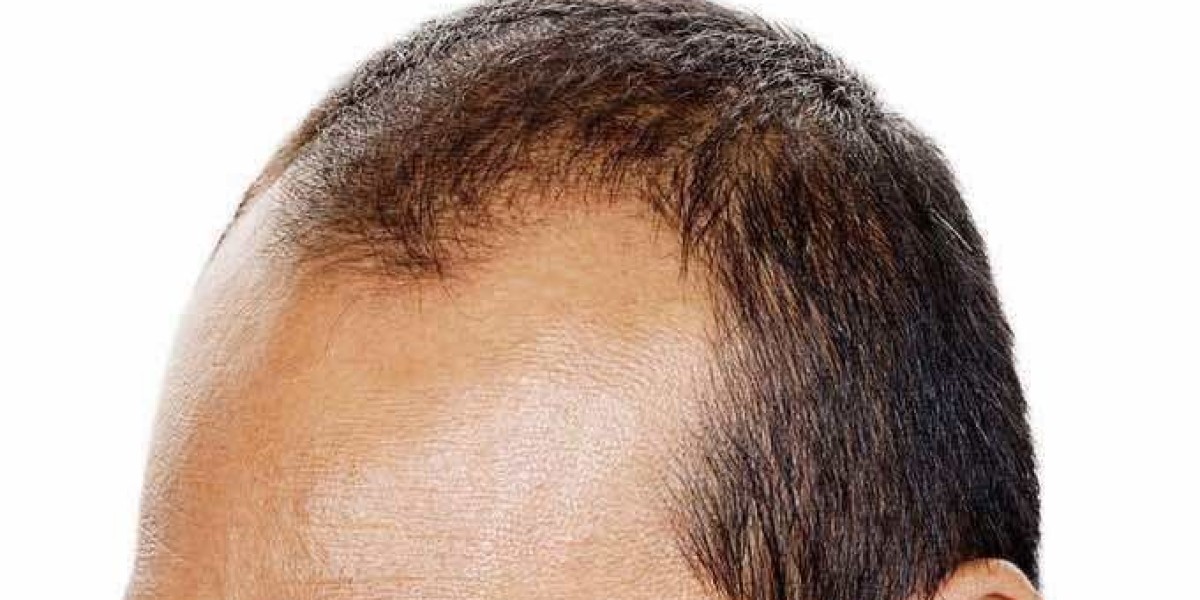

Hair loss is a common concern for many individuals, affecting confidence, appearance, and emotional well‑being. If you’re considering a hair restoration journey, you’ve likely come across various treatment options — and one of the most effective and widely trusted methods today is Follicular Unit Extraction (FUE). In this in‑depth guide, we explore not just the best time for FUE Hair Transplant Treatment but also how to prepare, what to expect, and when results truly begin to shine.
In this comprehensive article, we’ll answer your questions with an expert yet friendly tone, helping you make informed decisions about your hair restoration journey. From seasonal considerations to personal health factors, we cover it all in a way that’s engaging, easy to understand, and tailored to your intent. Whether you’re at the beginning of your research or ready to take the next step, this resource is designed to guide you confidently toward a life with thicker, natural‑looking hair.
Understanding FUE Hair Transplant Treatment
What Is FUE Hair Transplant?
FUE (Follicular Unit Extraction) is a minimally invasive hair restoration procedure that involves harvesting individual hair follicles from a donor area — typically the back or sides of the scalp — and implanting them into areas experiencing thinning or baldness. Unlike older techniques, FUE doesn’t leave a linear scar, and recovery is generally faster with less discomfort.
FUE works by relocating your own hair follicles to areas where hair has thinned due to genetics, stress, hormonal changes, or other factors. The result is natural‑looking hair growth that continues to flourish over time because the transplanted follicles are resistant to the effects of dihydrotestosterone (DHT), the hormone most responsible for hereditary hair loss.
Why Timing Matters for Hair Transplant Success
Timing isn’t only about when during the year you choose to undergo a transplant — it’s about ensuring your body is in the best condition to support healing, optimal growth, and long‑term results. From lifestyle routines to daily exposure to the elements, choosing the right moment can impact comfort, recovery, and how soon you see noticeable results.
When Is the Best Time to Undergo FUE Hair Transplant Treatment?
Seasonal Considerations
Some prospective patients wonder whether a particular season — summer, winter, spring, or fall — offers a clear advantage for getting a hair transplant. While the procedure itself can be performed year‑round, there are pros and cons to each season based on your lifestyle and environment.
Winter: A Comfortable Season for Recovery
During colder months, many people prefer FUE because:
Reduced Sun Exposure: Lower sunlight means less need for hats or sun protection, which can irritate healing skin.
Clothing Coverage: You’re more likely to wear scarves, hats, or warm clothing, helping conceal the initial recovery period.
Slower Sweating: Less sweating reduces the risk of irritation and infection at the treated sites.
However, be mindful of harsh winds or outdoor cold if you go outside frequently, as extreme weather may affect comfort in the immediate post‑procedure phase.
Summer: Great for Some, Challenging for Others
Summer can be a convenient time for those who plan vacations or remote work, but it does come with challenges:
Increased Sun Exposure: UV rays can damage healing tissue and potentially affect graft survival.
Sweat and Heat: Excessive sweating can irritate the scalp and complicate care routines in the first two weeks.
If you choose summer, proper sun protection (avoiding direct sun during peak hours) and strict aftercare become essential.
Spring and Fall: Balanced Weather
These transitional seasons often provide moderate temperatures and less intense sunlight, making them a comfortable choice for many. If you enjoy outdoor activities and want a balance between comfort and normal daily life during recovery, spring and fall can be ideal.
Personal Lifestyle and Schedule
Seasonal timing aside, your daily routine and commitments play a major role in determining the best time for FUE:
Work and Social Events: If you have a busy work schedule or frequent social engagements, it’s wise to select a period where you can take time to recover without stress.
Vacation Plans: Many patients schedule their procedure to coincide with time off, allowing more flexibility and privacy during initial healing.
Fitness and Activity Levels: If your lifestyle includes frequent workouts or physical activity, plan for at least 7–10 days of limited strenuous activity post‑procedure.
Medical and Health Factors
Your overall health can influence the ideal timing for a hair transplant. Before scheduling, consider:
Chronic Health Conditions: Manage any underlying health issues such as diabetes or autoimmune disorders before the procedure.
Medications: Some medications may interfere with healing or bleeding risk — discuss these with your clinician.
Smoking and Alcohol Consumption: Smoking and heavy drinking can impair healing; it’s often recommended to limit or avoid both before and after treatment.
By considering both seasonal and personal factors, you can find the time that aligns best with your lifestyle and goals.
Preparing for FUE Hair Transplant Treatment
Pre‑Procedure Consultation
Your journey begins with an in‑depth consultation where a qualified specialist evaluates:
Degree of Hair Loss: Assessing current hair loss patterns helps determine graft requirements.
Donor Hair Quality: Strong donor hair increases the likelihood of successful graft survival.
Realistic Expectations: Understanding possible outcomes ensures alignment with your goals.
During this consultation, don’t hesitate to ask questions about what to expect before, during, and after the procedure — knowledge builds confidence.
Pre‑Treatment Guidelines
To maximize success:
Avoid Blood Thinners: Certain medications and supplements can increase bleeding risk.
Stay Hydrated: Proper hydration supports healing and can reduce swelling.
Eat Balanced Meals: A diet rich in vitamins and protein empowers your body’s recovery process.
Mental Preparation
It’s normal to feel nervous or excited before treatment. Setting realistic expectations and understanding the timeline from grafting to growth helps ease anxiety and ensures a smoother journey.
What Happens During the FUE Hair Transplant Procedure?
Step‑by‑Step Breakdown
Understanding the treatment process can make it feel more predictable and less intimidating:
Local Anesthesia: Your surgeon will administer anesthesia to numb the treatment and donor areas.
Harvesting Follicles: Individual hair follicles are carefully extracted one by one.
Implanting Grafts: The extracted follicles are implanted into the designated thinning or balding areas.
Final Check: Your specialist ensures even placement for natural‑looking results.
Most procedures take a few hours, depending on the number of grafts needed. While you may feel minor pressure, discomfort is generally well‑managed with anesthesia.
Comfort During the Procedure
Modern FUE techniques prioritize patient comfort. Many patients describe the experience as comfortable and tolerable, with brief sensations of pressure or vibration rather than pain.
Healing and Recovery Timeline
First 48 Hours
Immediately after surgery:
Slight Redness and Swelling: Common around the treatment area.
Tiny Crusts on Each Graft: These typically fall off within a week.
You’ll receive clear aftercare instructions to support healing and prevent infection.
First Week
Avoid Touching the Scalp: Minimize contact to protect grafts.
Gentle Washing Protocols: Your specialist will guide you on how to clean your scalp safely.
Weeks 2–4
Shedding Phase: Transplanted hairs may fall out — this is a normal and expected part of the growth cycle.
New Growth Begins: After shedding, fresh hairs start to emerge.
Months 3–6
Noticeable Growth: Hair becomes thicker and fuller each month.
Personal Confidence Boost: Many patients begin to see visible transformation and feel happier with their appearance.
Months 6–12
Final Growth Stage: Hair continues to mature, filling in for a more natural and complete look.
Long‑Term Results: Full results typically appear around 12 months post‑procedure.
Realistic Expectations: What You Should Know
Natural Growth Takes Time
FUE is not an instant “fix.” It’s a journey. Understanding the biological timing of hair growth helps manage expectations and celebrate progress along the way.
Individual Results Vary
Everyone’s hair responds differently. Genetics, health, and lifestyle all play roles — but careful planning and adherence to aftercare maximize your chances of outstanding results.
Embracing the Transformation
Seeing your hair grow back — strand by strand — can be as emotionally rewarding as it is visually pleasing. Many patients report increased confidence and satisfaction with their appearance after completing their FUE journey.
Why Patients Choose FUE Hair Transplant in Riyadh
Choosing where to undergo your hair transplant is as important as knowing when to do it. Many individuals seeking world‑class care find excellent outcomes and high standards of treatment through FUE Hair Transplant in Riyadh — a region known for its advanced medical facilities and experienced specialists. Whether you prefer a calm recovery period, access to a privacy‑focused clinic environment, or personalized post‑care plans, options in Riyadh offer quality and reassurance.
Common Myths and Misconceptions
Myth: Hair Transplants Look Unnatural
Truth: When done with expertise, FUE creates a natural hairline and seamless integration with existing hair.
Myth: Only Young People Are Good Candidates
Truth: Age alone isn’t a determining factor. Hair loss patterns, donor supply, and overall health matter more.
Myth: Transplanted Hair Doesn’t Last
Truth: Grafts from resistant donor hair are designed to last a lifetime with proper care.
How to Know If You’re Ready
Ask yourself:
Am I prepared to invest time in recovery?
Do I have realistic expectations?
Have I consulted a specialist to assess my candidacy?
Is now a convenient time in my personal and professional life?
If the answer is “yes” to most of these, you might be ready to take the next step.
Final Thoughts: Timing + Preparation = Success
There’s no single perfect moment that fits everyone — but by aligning your lifestyle, health, and schedule, you can choose a time that supports your best results. Whether you prefer a low‑sun winter recovery or a balanced spring procedure, focusing on preparation and patience will make all the difference.
Call to Action
Ready to begin your transformation with confidence and care? At Royal Clinic Saudia, we pride ourselves on delivering personalized treatment plans and trusted support for your hair restoration journey. Contact us today to learn more about how we can help you achieve the natural, lasting results you deserve with FUE Hair Transplant in Riyadh.
Frequently Asked Questions
1. When is the best age to consider FUE Hair Transplant?
While candidates can range widely in age, many specialists recommend waiting until hair loss patterns have stabilized — often in the mid‑20s to 30s. Individual assessment ensures the best timing and results.
2. How soon can I return to work after FUE Hair Transplant?
Most patients return to desk work within 2–3 days. Strenuous activity should be limited for at least one week to support optimal healing.
3. Will the transplanted hair require special care?
After initial healing, transplanted hair is cared for just like your natural hair, with gentle washing and regular grooming routines.
4. Can hair loss continue after FUE Hair Transplant?
Yes — hair loss can continue in non‑treated areas. Discussing long‑term plans with your specialist can help maintain a balanced and natural appearance over time.