
What Is Focal Segmental Glomerulosclerosis?
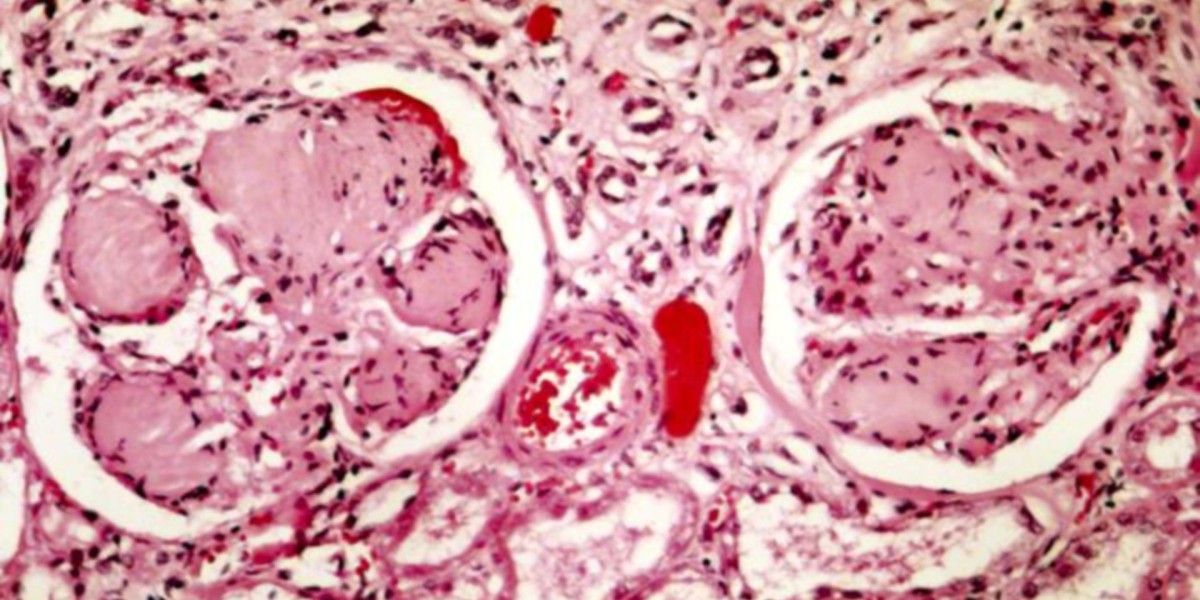
FSGS is characterized by scarring in some glomeruli or portions of individual glomeruli. The condition can interfere with normal kidney filtration and may lead to proteinuria, or excess protein in the urine.
Some people with FSGS may develop swelling in the legs, ankles, or around the eyes. Other possible findings include high blood pressure, abnormal kidney-function tests, and changes in urine appearance.
Focal Segmental Glomerulosclerosis and Nephrotic Syndrome
Focal segmental glomerulosclerosis nephrotic syndrome can occur when FSGS causes substantial protein loss through the urine. Nephrotic syndrome is characterized by heavy proteinuria, low levels of albumin in the blood, swelling, and changes in blood lipid levels.
Not everyone with FSGS develops nephrotic syndrome. The severity of protein loss and other clinical findings can vary significantly between individuals.
Focal Segmental Glomerulosclerosis Risk Factors
There are several focal segmental glomerulosclerosis risk factors that may increase the likelihood of developing the condition. Genetic factors can play a role in some forms of FSGS, while other cases may be associated with underlying medical conditions or external factors.
Potential associations include certain genetic variants, obesity, infections, medications, and other conditions that place stress on the kidneys. However, some individuals develop FSGS without an identifiable cause.
Understanding a person's medical history, family history, laboratory results, and other relevant factors can help healthcare professionals investigate the possible cause.
What Are the Causes of FSGS?
The FSGS causes can generally be grouped into different categories. Primary FSGS may occur without an identifiable underlying condition, while secondary FSGS can develop in association with another condition or factor. Genetic forms may result from changes affecting proteins important to kidney function.
Because FSGS has multiple potential causes, identifying the underlying form can be important for understanding the disease and determining an appropriate management approach.
Nutrition and Kidney Health
Nutrition may also be an important consideration for people living with FSGS. Dietary recommendations can vary depending on kidney function, blood pressure, protein loss, medications, and other individual factors.
Some patients may be advised to monitor sodium intake, while recommendations concerning protein, potassium, phosphorus, or fluids may depend on their kidney health and laboratory results. A healthcare professional or kidney-specialized dietitian can provide individualized nutritional guidance.
The Importance of Medical Evaluation
FSGS can affect people differently, so regular monitoring may be important. Healthcare professionals may evaluate urine protein, blood pressure, kidney function, and other indicators over time. In some cases, a kidney biopsy or genetic testing may help determine the underlying cause.
Learning about FSGS causes, focal segmental glomerulosclerosis risk factors, and the relationship between focal segmental glomerulosclerosis nephrotic syndrome can help patients and families better understand the condition and prepare informed questions for their healthcare team.
Reliable kidney disease education can support awareness, but diagnosis and treatment decisions should always be made with a qualified healthcare professional.