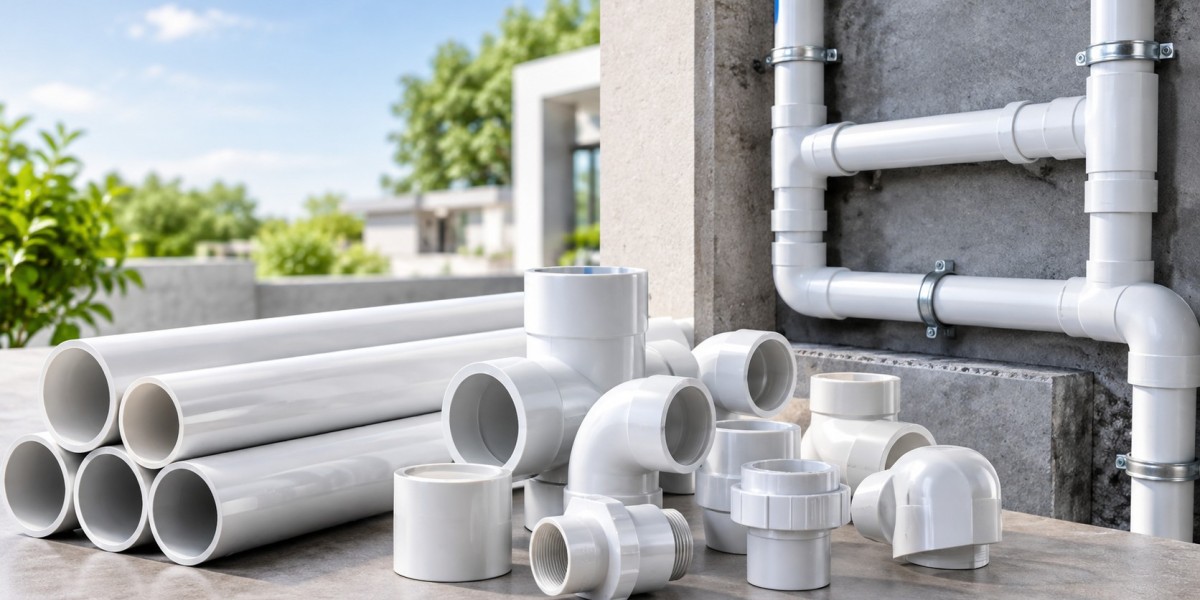

Plumbing systems need to work reliably for years without creating constant repair work. Choosing the right materials can make a major difference in how often pipes need inspection, repair, or replacement. uPVC pipes and fittings are widely used in residential, commercial, and industrial plumbing because they are durable, lightweight, and resistant to several common causes of pipe damage.
From water distribution to drainage and sewerage systems, uPVC piping can help reduce routine maintenance when it is properly selected and installed. Its smooth surface, resistance to corrosion, and simple installation make it a practical option for many modern plumbing projects.
What Makes uPVC Piping Different?
uPVC, or unplasticized polyvinyl chloride, is a rigid plastic material commonly used for piping systems. Unlike some traditional metal pipes, uPVC does not rust or corrode when exposed to water and moisture.
The material also has a smooth internal surface. This allows water and other fluids to move through the pipe with less friction while reducing the chances of deposits building up inside the system.
Key Characteristics of uPVC Pipes
Some of the properties that make uPVC suitable for plumbing include:
Corrosion resistance: uPVC does not rust like iron or steel.
Smooth internal surface: Helps maintain efficient fluid flow.
Low weight: Makes transportation and handling easier.
Low maintenance needs: The material does not require regular anti-rust treatment.
Durability: Properly installed pipes can provide long service life.
Moisture resistance: Suitable for environments where pipes are regularly exposed to water.
These characteristics can reduce the number of maintenance issues that plumbing systems experience over time.
How uPVC Piping Helps Reduce Maintenance
Maintenance costs are not limited to replacing damaged pipes. They can also include labor, inspections, cleaning, corrosion treatment, and repairing leaks. A piping material that resists common problems can help reduce some of these ongoing requirements.
1. Resistance to Corrosion
Corrosion is a common concern with metal piping systems. Continuous exposure to water and moisture can cause certain metals to deteriorate, eventually leading to weak sections, leaks, or replacement requirements.
uPVC is naturally resistant to corrosion. It does not rust when exposed to water, which makes it useful for plumbing, drainage, and other water-related applications.
This can reduce the need for corrosion-related inspections and repairs, particularly in areas where moisture exposure is high.
2. Smooth Internal Surface
The inside surface of a pipe has a direct effect on fluid movement. Rough surfaces can encourage deposits and create more resistance to flow over time.
uPVC pipes have a relatively smooth internal surface. This can help reduce the buildup of certain materials inside the pipe and support consistent water flow.
For plumbing systems, this means fewer concerns related to internal surface deterioration compared with some traditional materials.
3. Fewer Leak-Related Problems
Leaks can develop for different reasons, including poor installation, damaged pipes, deteriorated joints, or material failure. Choosing a suitable piping material and using compatible fittings can help reduce potential problems.
uPVC systems use fittings designed to create connections between different sections of pipe. When the correct fittings and installation methods are used, the resulting system can provide reliable connections.
However, the quality of installation remains important. Even a durable pipe can develop problems if joints are incorrectly prepared or the system is not installed according to the required specifications.
Lightweight Material Makes Installation Easier
Another advantage of uPVC is its relatively low weight. Compared with many metal alternatives, uPVC pipes are easier to carry, position, and cut during installation.
This can make plumbing work more straightforward, particularly on projects involving large networks of pipes. Easier handling may also reduce the time required for certain installation tasks.
Why Easier Installation Matters for Maintenance
A well-installed plumbing system generally has fewer avoidable problems. Proper alignment, suitable fittings, secure joints, and correct support can all contribute to long-term performance.
Because uPVC is lightweight and easy to handle, installers can work with the material without requiring the same level of heavy equipment that may be needed for heavier piping materials.
Reduced Need for Surface Treatment
Some metal pipes require protective coatings or other treatments to help manage corrosion. These treatments can require periodic inspection and maintenance.
uPVC does not need the same type of anti-corrosion coating because the material itself is resistant to rust. This can simplify maintenance planning for plumbing systems where corrosion would otherwise be a concern.
For building owners and facility managers, reducing these additional maintenance tasks can make long-term system management easier.
Common Applications of uPVC Piping Systems
uPVC piping is used in different types of projects depending on the pipe design, dimensions, pressure requirements, and applicable standards.
Common applications include:
Residential plumbing
Commercial buildings
Drainage systems
Sewerage networks
Water distribution
Industrial applications
Underground piping systems
The correct pipe type should always be selected according to the intended application. Factors such as pressure, temperature, installation conditions, pipe size, and local requirements should be considered before installation.
How to Choose uPVC Pipes and Fittings
Choosing the right products is just as important as choosing uPVC as a material. A plumbing system may contain many connections, bends, branches, and transitions, so fittings need to be compatible with the pipes being used.
Before purchasing, consider the following:
Application: Determine whether the system is for water supply, drainage, sewerage, or another purpose.
Pipe size: Select the correct diameter according to system requirements.
Pressure requirements: Make sure the pipe is suitable for the operating conditions.
Fittings: Use compatible fittings designed for the selected pipe system.
Installation method: Follow appropriate installation practices.
Product quality: Choose products manufactured according to relevant specifications and standards.
A good selection process can help prevent problems that may otherwise lead to unnecessary repairs.
Choosing the Right Manufacturer
The quality of a plumbing system also depends on the consistency of the products used. Pipes and fittings should have appropriate dimensions, finish, and material properties for their intended application.
When comparing PVC pipe manufacturers in Pakistan, buyers should look beyond product availability. It is useful to consider manufacturing standards, product specifications, quality control practices, available sizes, and the intended use of the piping system.
Selecting products from a manufacturer with suitable technical specifications can help create a more reliable plumbing network and reduce avoidable maintenance issues.
Maintenance Still Matters
Although uPVC can reduce several common maintenance concerns, no plumbing system is completely maintenance-free. Regular inspection is still useful, particularly in large commercial or industrial installations.
Watch for signs such as:
Unusual drops in water pressure
Visible leaks around joints
Damaged fittings
Pipe movement or poor support
Blockages or slow drainage
Unusual sounds from the plumbing system
Finding small problems early can prevent them from becoming more expensive repairs.
Final Thoughts
uPVC piping systems can help reduce plumbing maintenance by resisting corrosion, providing a smooth internal surface, and making installation and handling easier. Their resistance to moisture and rust also makes them suitable for many water, drainage, and sewerage applications.
However, long-term performance depends on more than the pipe material. Correct product selection, compatible fittings, proper installation, and regular inspection all play an important role.
For any plumbing project, the best approach is to select pipes and fittings according to the system's actual requirements rather than choosing a product based only on material type.
Frequently Asked Questions
1. Are uPVC pipes suitable for plumbing systems?
Yes. uPVC pipes are commonly used for various plumbing applications, including water distribution, drainage, and sewerage systems. Their corrosion resistance and smooth internal surface make them suitable for many projects.
2. Do uPVC pipes require regular maintenance?
uPVC generally requires relatively low maintenance compared with materials that are vulnerable to corrosion. However, plumbing systems should still be inspected periodically for leaks, damaged fittings, blockages, or installation-related issues.
3. Why are uPVC pipes resistant to corrosion?
uPVC is a plastic material and does not contain metal that can rust in the same way as iron or steel. This makes it resistant to corrosion caused by normal exposure to water and moisture.
4. Can uPVC pipes be used with fittings?
Yes. uPVC piping systems are designed to work with compatible fittings such as elbows, tees, couplings, and other connection components. Using the correct fittings helps create a properly connected plumbing network.
5. What should I consider when buying uPVC pipes and fittings?
Consider the application, pipe size, pressure requirements, fitting compatibility, product specifications, and installation conditions. Choosing products suitable for the intended system can help improve reliability and reduce future maintenance problems.