
Skin can change over time due to ageing, sun exposure, acne marks, uneven texture, pigmentation, enlarged-looking pores, and reduced collagen production. While skincare products can support everyday skin health, some concerns may require more targeted procedures. Laser resurfacing is one option used in dermatology and aesthetic care to improve the appearance and texture of the skin.
Laser Resurfacing Dubai is commonly considered by people who want to refresh their complexion, improve uneven texture, soften the appearance of fine lines, and address selected acne scars or pigmentation concerns. Depending on the laser technology and treatment intensity, resurfacing can work at different depths of the skin and may be customised according to individual skin concerns.
At Perla Dermatology Clinic, advanced laser treatments are offered with personalised assessment and treatment planning. The clinic describes its laser treatments as options for concerns including uneven texture, acne-related marks, enlarged-looking pores, sun damage, fine lines, and certain pigmentation concerns.
What Is Laser Resurfacing?
Understanding Laser Skin Resurfacing
Laser resurfacing is a dermatological treatment that uses controlled laser energy to target specific areas of the skin. Depending on the technology used, the laser can remove or remodel selected damaged skin layers while stimulating processes associated with collagen production and skin renewal.
Fractional laser resurfacing works by treating microscopic columns or sections of skin while leaving surrounding areas untreated. This approach can help support the skin's natural renewal process while allowing the treated area to recover.
Laser resurfacing may be used to improve the appearance of:
Uneven skin texture
Fine lines and wrinkles
Selected acne scars
Enlarged-looking pores
Uneven skin tone
Certain pigmentation concerns
Sun-related skin changes
Dull or tired-looking skin
The exact treatment approach depends on the patient's skin condition, treatment goals, and the type of laser selected.
How Does Laser Resurfacing Work?
Controlled Laser Energy for Skin Renewal
Laser resurfacing works by delivering carefully controlled energy to targeted areas of the skin. Depending on the laser, the treatment may primarily target the surface or work deeper within the skin to encourage collagen remodelling.
Fractional systems create microscopic treatment zones rather than treating the entire surface uniformly. The surrounding untreated skin can support the recovery process, while the treated areas undergo renewal and collagen remodelling.
Collagen is an important structural protein that contributes to the skin's firmness and overall appearance. As collagen production and remodelling take place, the skin may gradually appear smoother, firmer, and more refined.
Benefits of Laser Resurfacing Dubai
Improved Skin Texture
One of the main reasons people consider laser resurfacing is to improve uneven or rough skin texture. The treatment can target selected areas of damaged or irregular skin and support the development of smoother-looking skin.
Smoother-Looking Fine Lines
Laser resurfacing can be incorporated into a skin-rejuvenation plan for people concerned about the appearance of fine lines. Collagen stimulation and surface renewal can contribute to a smoother overall appearance.
Acne Scar Improvement
Certain types of acne scars may respond to fractional resurfacing. At Perla Dermatology Clinic, Fractional CO2 laser is listed among the options that may be considered for selected textural acne scars.
The suitability of laser treatment depends on the type, depth, and characteristics of the scar. A personalised assessment can help determine whether resurfacing is appropriate or whether another treatment approach may be more suitable.
More Even-Looking Skin Tone
Laser treatments may also be considered for certain pigmentation and sun-related skin changes. The appropriate technology and treatment settings depend on the pigmentation pattern and the individual's skin characteristics.
Refined Appearance of Pores
Laser resurfacing can help improve the overall appearance of skin texture, which may make enlarged-looking pores appear less noticeable.
Collagen Remodelling
Another important benefit of resurfacing is its ability to support collagen remodelling. This can contribute to gradual improvements in firmness, texture, and overall skin quality following treatment.
Laser Resurfacing Treatment Process
Step 1: Skin Consultation
The treatment journey generally begins with a consultation. A dermatologist evaluates the skin, discusses the patient's concerns, reviews previous treatments and skincare, and determines whether laser resurfacing is suitable.
At Perla Dermatology Clinic, treatment planning is based on the individual's skin behaviour, pigmentation tendency, treatment goals, and the degree of improvement being sought.
Step 2: Treatment Planning
Laser resurfacing is not a single treatment with identical settings for everyone. The dermatologist may determine the appropriate laser technology, intensity, treatment depth, and number of sessions based on the patient's skin and objectives.
For example, a person primarily concerned with mild texture irregularities may require a different approach from someone seeking improvement in more noticeable acne scarring.
Step 3: Skin Preparation
Before the laser is applied, the treatment area is cleansed. Depending on the laser and treatment intensity, a topical numbing cream or another comfort measure may be used.
Fractional laser treatments commonly involve preparation and numbing before the laser device is passed over the selected treatment area.
Step 4: Laser Application
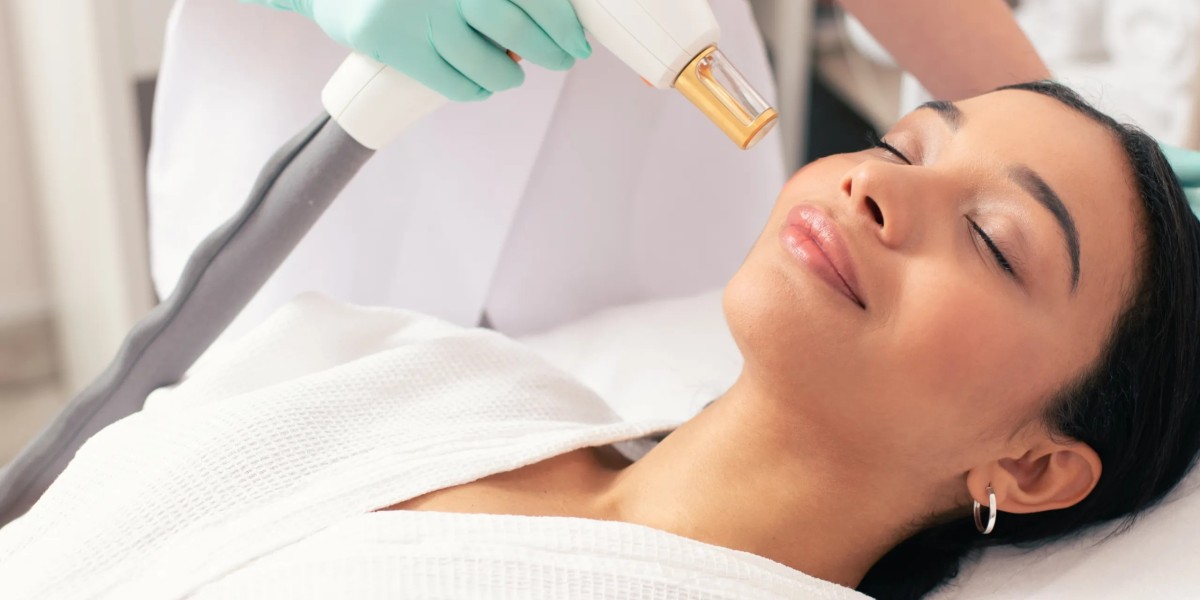
The laser device delivers controlled pulses of energy to the treatment area. With fractional resurfacing, the energy is delivered in a precise pattern to create microscopic treatment zones.
The duration varies according to the treatment area and technology. Some fractional laser sessions can take approximately 30–60 minutes, although the actual time depends on the individual treatment plan.
Step 5: Post-Treatment Skin Care
After treatment, the skin may be given soothing or cooling care according to the treatment protocol. The dermatologist may provide specific instructions regarding cleansing, moisturising, sun protection, and the temporary use of certain skincare products.
Following the recommended aftercare routine is an important part of supporting the skin's recovery and maintaining treatment results.
Recovery After Laser Resurfacing
What to Expect During Recovery
Recovery depends significantly on the laser type, treatment depth, and intensity. More superficial treatments may involve a shorter recovery period, while deeper resurfacing can require more time for the skin to settle.
After fractional resurfacing, temporary redness, warmth, swelling, tightness, or light flaking can occur as the skin renews itself. Some fractional laser treatments may involve several days of visible recovery.
Following Your Aftercare Routine
Your dermatologist may recommend:
Gentle cleansing
Appropriate moisturisation
Consistent sun protection
Avoiding unnecessary rubbing or picking
Temporarily avoiding strong exfoliating products
Following personalised skincare instructions
The exact aftercare routine should be based on the treatment performed rather than a general online skincare routine.
When Does the Skin Look Better?
Laser resurfacing results are not always immediate. Surface changes may become noticeable as the skin settles, while collagen-related improvements can develop gradually.
The timeline varies depending on the treatment type and individual skin response. Some people may require a series of treatments rather than one session to achieve their desired improvement.
Laser Resurfacing for Skin Rejuvenation
Refreshing the Overall Appearance of the Skin
Skin rejuvenation is not necessarily about changing the natural appearance of the face. Instead, it can focus on improving skin quality by addressing concerns such as uneven texture, fine lines, acne marks, and signs of environmental skin damage.
Laser resurfacing can be incorporated into a broader rejuvenation plan when the primary goal is smoother, more refined-looking skin.
Supporting Collagen Production
Collagen remodelling is one of the reasons fractional laser technology is used for skin rejuvenation. Controlled laser energy can stimulate processes within the skin that contribute to the development of new collagen and elastin.
Over time, this may contribute to improvements in the appearance of texture and firmness.
Laser Resurfacing vs. Other Non-Surgical Treatments
Choosing the Right Treatment for Your Skin
Not every skin concern requires laser resurfacing. Some people may benefit from other approaches depending on whether their primary concern is pigmentation, hydration, skin laxity, hair, acne, or surface texture.
Non-surgical Skin Treatments Dubai can include a variety of technologies and aesthetic procedures designed around different skin goals. A professional consultation can help determine which treatment best matches the concern being addressed.
For example, laser resurfacing may be considered for selected texture and scarring concerns, while other treatments may be more appropriate when hydration, pigmentation, or skin firmness is the primary objective.
Laser Resurfacing and Laser Hair Removal Are Different
It is also important to distinguish skin resurfacing from hair-reduction treatments. Laser Hair Removal in Dubai is designed to target unwanted hair follicles, whereas laser resurfacing is focused on skin renewal, texture, and selected surface concerns.
Although both use laser technology, they have different purposes, treatment protocols, and expected outcomes.
Who May Consider Laser Resurfacing?
Common Skin Concerns
Laser resurfacing may be discussed with adults who want to improve the appearance of:
Acne scars
Uneven texture
Fine lines
Enlarged-looking pores
Certain pigmentation concerns
Sun-related skin changes
Dull complexion
However, suitability should always be determined through an individual skin assessment. At Perla Dermatology Clinic, the clinic emphasises personalised consultation before advanced laser treatment and notes that not every skin concern is best addressed with resurfacing.
How Many Laser Resurfacing Sessions Are Needed?
Personalised Treatment Plans
There is no universal number of sessions for laser resurfacing. The number can depend on the treatment goal, laser technology, skin condition, treatment intensity, and desired degree of improvement.
Some patients may notice meaningful changes after one session, while others may require a series of treatments. Fractional laser treatment plans are commonly spaced apart to allow the skin to recover between sessions.
A dermatologist can recommend a treatment schedule after assessing the skin and understanding the patient's goals.
Why Choose Professional Laser Resurfacing in Dubai?
Personalised Treatment Selection
Professional treatment allows the laser and settings to be selected according to the patient's individual skin characteristics rather than using the same protocol for everyone.
Dermatology-Led Assessment
A dermatologist can distinguish between concerns that may look similar but require different approaches. For example, acne scarring, pigmentation, enlarged pores, and uneven texture may occur together but do not necessarily respond to the same treatment.
Focus on Natural-Looking Skin Improvement
The goal of skin rejuvenation is often to improve skin quality while maintaining the person's natural appearance. Perla Dermatology Clinic describes its approach as specialist-led and personalised, with treatment plans based on individual skin needs and aesthetic goals.
Preparing for Your Laser Resurfacing Consultation
Questions to Discuss With Your Dermatologist
Before beginning treatment, you can discuss:
Your primary skin concerns
The type of laser being recommended
The expected treatment schedule
Approximate recovery period
Recommended skincare before and after treatment
Whether other treatments may complement resurfacing
How many sessions may be appropriate
When you can return to your normal skincare routine
Providing accurate information about your existing skincare and previous cosmetic procedures can also help the dermatologist create a more appropriate treatment plan.
Maintaining Your Skin After Laser Resurfacing
Protecting and Supporting Your Skin
After the skin has recovered, maintaining a consistent skincare routine can help support its appearance. Sun protection is particularly important because UV exposure contributes to visible skin ageing and pigmentation changes.
A simple routine may include gentle cleansing, appropriate moisturisation, sun protection, and dermatologist-recommended active ingredients when the skin is ready to use them again.
Regular Dermatology Care
Laser resurfacing can be part of a broader approach to long-term skin care rather than a replacement for everyday skincare. Periodic dermatological assessments can help identify changing skin needs and determine whether additional treatments are appropriate.
Final Thoughts on Laser Resurfacing Dubai
Laser Resurfacing Dubai offers a targeted approach to skin rejuvenation for people looking to improve concerns such as uneven texture, selected acne scars, fine lines, enlarged-looking pores, and certain pigmentation changes. Fractional laser technologies can work through controlled treatment zones while supporting collagen remodelling and gradual skin renewal.
The treatment process typically involves consultation, personalised planning, skin preparation, laser application, and a tailored recovery routine. Because every person's skin is different, the appropriate laser, intensity, number of sessions, and aftercare should be determined by a qualified dermatology professional.
For patients considering laser resurfacing as part of their skin-rejuvenation plan, Perla Dermatology Clinic in Dubai provides specialist-led consultations and advanced laser treatment options tailored to individual skin concerns and goals.
FAQs: Laser Resurfacing Dubai
1. What is laser resurfacing in Dubai?
Laser resurfacing is a skin-rejuvenation treatment that uses controlled laser energy to improve skin texture and appearance. Depending on the technology, it can address concerns such as fine lines, uneven skin tone, sun damage, acne scars, and rough skin texture while supporting collagen production.
2. What are the benefits of laser resurfacing?
Laser resurfacing can help create smoother-looking skin, improve uneven pigmentation and texture, soften the appearance of fine lines, and reduce the appearance of certain acne scars. Different laser technologies are selected according to the patient's skin concerns and desired results.
3. How long does recovery take after laser resurfacing?
Recovery depends on the type and intensity of treatment. Non-ablative and some fractional treatments generally involve shorter downtime, while deeper ablative resurfacing may require several weeks of healing. Your dermatologist can provide a more specific recovery timeline based on the treatment selected.
4. When will I see results after laser resurfacing?
Some improvements may become visible as the treated skin begins to heal, while collagen-related improvements can develop gradually over the following weeks and months. Multiple sessions may be recommended for certain fractional or non-ablative treatments.
5. How do I choose the right laser resurfacing treatment?
The appropriate treatment depends on factors such as your skin type, pigmentation, texture, scars, fine lines, treatment goals, and the amount of recovery time you can accommodate. A qualified dermatologist can assess your skin and recommend the most suitable laser technology and treatment plan.