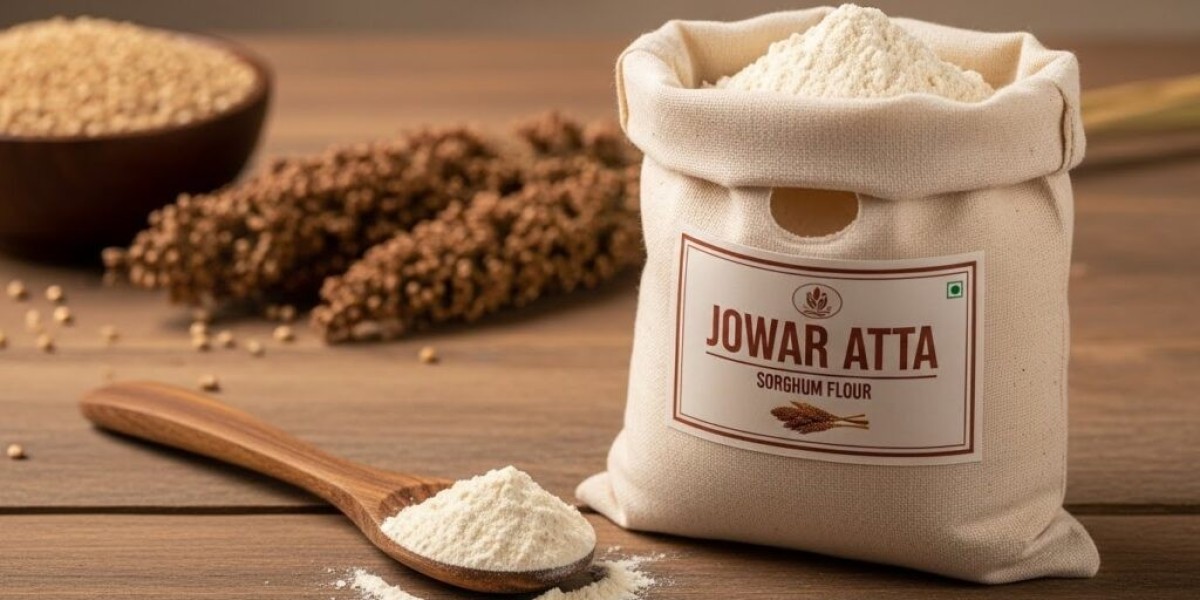

If you have walked through an Indian kitchen in the last few years, chances are you have heard someone talking about jowar atta. What was once considered a "poor man's grain" in parts of the country is now finding its way back onto urban dining tables, and for good reason. Jowar atta, made from sorghum, is naturally gluten free, rich in fibre, and packed with the kind of slow-release energy that modern diets often lack.
This guide covers everything you need to know about jowar atta: what it is, its nutritional profile, its health benefits, how it compares to wheat flour, and practical tips for cooking with it at home.
What Is Jowar Atta?
Jowar atta is flour ground from sorghum grain, one of the oldest cultivated cereals in the world. Sorghum has been a staple across parts of India, Africa, and the Americas for centuries, valued for its hardiness and its ability to grow in dry, low-rainfall regions. In India, jowar has long been a dietary staple in states like Maharashtra, Karnataka, and Telangana, where it is traditionally used to make bhakri, a thick, round flatbread.
Unlike wheat, jowar contains no gluten, which makes jowar atta a natural choice for people managing gluten intolerance or celiac disease. The grain itself is small, round, and comes in shades ranging from white to reddish brown, and when milled, it produces a pale, slightly grainy flour with a mild, nutty flavour.
Jowar Atta Nutrition Profile
Understanding the nutritional value of jowar atta helps explain why nutritionists and home cooks alike are recommending it. Per 100 grams, jowar atta typically offers:
- Dietary fibre: Around 7 grams, supporting digestion and gut health
- Protein: Approximately 11 grams, making it a reasonably good plant-based protein source
- Minerals: Notable amounts of iron and manganese
- Glycemic index: Low, meaning it releases energy gradually rather than causing sharp blood sugar spikes
- Gluten: None, as sorghum is a naturally gluten-free grain
This combination of fibre, protein, and minerals is what sets jowar atta apart from more refined flours. It is calorie-dense enough to be filling, yet its low glycemic index means it does not lead to the energy crashes associated with high-GI foods.
Health Benefits of Jowar Atta
1. Naturally Gluten Free
For anyone with celiac disease or gluten sensitivity, jowar atta offers a way to enjoy roti, bhakri, and other flatbreads without the discomfort that wheat-based products can cause. Because sorghum has never contained gluten to begin with, there is no need for special processing to remove it, unlike some commercially "gluten-free" products.
2. Supports Blood Sugar Management
One of the most talked-about benefits of jowar atta is its low glycemic index. Foods with a low GI are digested and absorbed more slowly, leading to a gradual rise in blood sugar rather than a sharp spike. This makes jowar roti a popular choice among people trying to manage their blood sugar levels as part of a broader, doctor-guided diet plan.
3. Aids Digestion
With roughly 7 grams of fibre per 100 grams, jowar atta contributes meaningfully to daily fibre intake. Fibre supports regular bowel movements, feeds beneficial gut bacteria, and can help you feel fuller for longer, which is useful if you are also watching your overall calorie intake.
4. A Good Source of Plant Protein and Minerals
At around 11 grams of protein per 100 grams, jowar atta compares favourably with several other cereal flours. It also brings iron, important for oxygen transport in the blood, and manganese, which plays a role in bone health and metabolism. For vegetarians and vegans looking to diversify their protein and mineral sources, jowar atta is a useful addition to the pantry.
5. Suitable for Weight Management
Because jowar atta is fibre-rich and digests slowly, it can help control hunger pangs between meals. When used as part of a balanced diet, this steady digestion process may support portion control and reduce the temptation to snack frequently.
Jowar Atta vs Wheat Atta: What Is the Difference?
Wheat atta remains the most commonly used flour in Indian households, largely because of its elasticity, which makes soft, pliable rotis easy to achieve. Jowar atta, on the other hand, is denser, contains no gluten, and behaves quite differently when kneaded.
Here is a quick comparison:
| Aspect | Jowar Atta | Wheat Atta |
|---|---|---|
| Gluten | None | Present |
| Glycemic index | Lower | Higher |
| Fibre content | Higher | Moderate |
| Texture when kneaded | Crumbly, needs technique | Elastic, easy to knead |
| Best suited for | Gluten-free diets, blood sugar management | General everyday use |
Neither is inherently "better" for everyone; the right choice depends on individual health goals and dietary needs. Many households choose to combine the two, using a blend of jowar and wheat flour to get some of the benefits of jowar while retaining the softness that wheat provides.
How to Cook with Jowar Atta
Cooking with jowar atta requires a slightly different technique compared to wheat flour, mainly because of the absence of gluten, which is what gives wheat dough its stretch and elasticity.
Tips for making soft jowar rotis:
- Use warm or hot water rather than cold water when kneading. Heat helps bind the flour together in the absence of gluten.
- Knead the dough just before rolling each roti rather than kneading it all in advance, since jowar dough tends to dry out and crack quickly.
- Rest the dough briefly before rolling to make it easier to handle.
- Roll gently and evenly, using a rolling surface dusted lightly with dry jowar atta to prevent sticking.
- If you are new to jowar, start by blending it with wheat atta in a 50:50 ratio, then gradually increase the proportion of jowar as you get comfortable with the texture.
Popular dishes made with jowar atta:
- Jowar roti or bhakri, served with a dab of ghee and a side of spicy chutney
- Jowar paratha, stuffed with vegetables or paneer
- Jowar dosa or cheela, a quick and savoury breakfast option
- Jowar-based snacks like crackers or khakhra
- Porridge made from jowar flour, popular as a light breakfast or dinner option
Who Should Include Jowar Atta in Their Diet?
Jowar atta can be a valuable addition for:
- People with celiac disease or non-celiac gluten sensitivity
- Individuals monitoring their blood sugar levels, in consultation with their doctor
- Anyone looking to increase daily fibre intake
- People seeking to diversify their grain intake beyond wheat and rice
- Vegetarians and vegans looking for additional plant-based protein sources
As with any significant dietary change, it is a good idea to introduce jowar atta gradually and consult a healthcare provider or nutritionist if you have specific medical conditions, particularly diabetes or thyroid concerns, since individual responses to dietary changes can vary.
How to Store Jowar Atta
Since jowar atta typically contains no preservatives, proper storage is essential to maintain its freshness and nutritional value:
- Store in an airtight container to prevent moisture and pest exposure
- Keep the container in a cool, dry place away from direct sunlight
- Use within a few weeks of purchase or milling for the best flavour and nutrition
- If you buy in bulk, consider refrigerating a portion to extend shelf life
Freshly milled jowar atta tends to have a more pronounced nutty aroma and better taste compared to flour that has been sitting on a shelf for months, so buying smaller quantities more frequently is often a better approach than stocking up in bulk.
Frequently Asked Questions About Jowar Atta
Is jowar atta the same as sorghum flour?
Yes. Jowar is the Hindi name for sorghum, so jowar atta and sorghum flour refer to the same product.
Is jowar atta good for weight loss?
Its high fibre content and low glycemic index can support satiety and steady energy release, which may help with weight management when combined with an overall balanced diet and regular physical activity.
Can diabetics eat jowar roti daily?
Jowar's low GI makes it a sensible option for those managing blood sugar, but portion sizes and overall diet composition matter. It is best to consult a doctor or dietitian for personalised guidance.
Why does jowar dough crack while rolling?
This happens because jowar atta lacks gluten, which normally provides elasticity to dough. Using warm water, resting the dough briefly, and rolling gently can help reduce cracking.
Can I mix jowar atta with other flours?
Yes. Blending jowar with wheat, bajra, or ragi is a common practice, both to improve texture and to diversify nutritional intake.
Final Thoughts
Jowar atta is more than a passing wellness trend; it is a return to a grain that has nourished generations across India. With its gluten-free profile, high fibre content, decent protein levels, and low glycemic index, it fits well into a variety of dietary needs, from managing blood sugar to supporting digestion. The learning curve for cooking with it is small, and the payoff, in terms of both flavour and nutrition, makes it well worth adding to your regular grocery list.