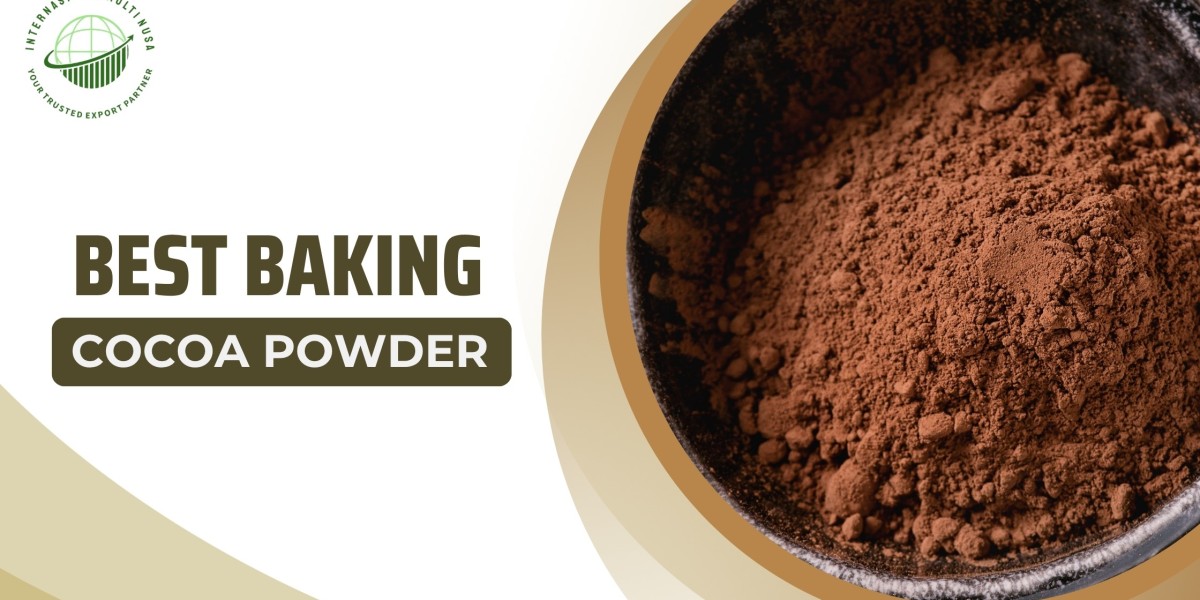

Cocoa powder is one of the most versatile ingredients used in baking. From cakes and brownies to cookies, pastries, desserts, and beverages, it provides the rich chocolate flavor that consumers love. However, not every cocoa powder offers the same flavor, color, texture, or performance. Choosing the right product can make a noticeable difference in the quality and consistency of finished baked goods.
For bakeries, food manufacturers, cafés, pastry businesses, and home bakers, understanding how to select the Best Baking Cocoa Powder is an important part of creating delicious and consistent products. At Intermultinusa, we recognize the importance of sourcing quality ingredients that meet the needs of modern food businesses.
What Is Baking Cocoa Powder?
Baking cocoa powder is produced by processing cocoa beans and removing much of the cocoa butter, leaving behind cocoa solids that are finely ground into powder. Because much of the fat is removed, cocoa powder delivers concentrated chocolate flavor while adding relatively little fat to recipes.
It is commonly used in brownies, chocolate cakes, cookies, frostings, muffins, hot chocolate, desserts, and various chocolate-flavored food products.
Different cocoa powders can vary in flavor, color, acidity, processing method, and fat content. These characteristics can influence how the cocoa powder performs in different recipes.
1. Consider the Type of Cocoa Powder
One of the first things to consider when looking for the Best Baking Cocoa Powder is the type of cocoa powder you need.
Natural cocoa powder is generally more acidic and has a lighter color with a strong chocolate flavor. It is commonly paired with baking soda in recipes where the acidity helps support the leavening process.
Dutch-process cocoa powder is treated to reduce its acidity, resulting in a darker color and generally smoother flavor. It may perform differently in recipes depending on the leavening agents used.
Understanding the differences between these types can help bakers select a product that suits their recipes.
2. Evaluate Flavor and Aroma
Flavor is one of the most important characteristics of cocoa powder. High-quality cocoa should contribute a pleasant, recognizable chocolate aroma and flavor to baked products.
When selecting cocoa powder, businesses should consider the intensity of chocolate flavor they want to achieve. Products intended for rich brownies or chocolate cakes may require a stronger cocoa profile, while lighter desserts may benefit from a more subtle flavor.
A consistent flavor profile is particularly important for commercial bakeries and food manufacturers that need their products to taste the same across different production batches.
3. Look at Color
Cocoa powder can range from light brown to very dark brown depending on the type and processing method. Color can influence the visual appearance of cakes, cookies, brownies, frostings, and other products.
Dark cocoa powder can create an intense chocolate appearance, while natural cocoa powder may provide a lighter brown color.
The ideal choice depends on the recipe and the desired appearance of the finished product. Bakers should therefore consider color alongside flavor and functionality rather than choosing cocoa powder based solely on how dark it looks.
4. Check Texture and Fineness
Texture is another important consideration when selecting cocoa powder. A finely processed powder generally blends more easily with other dry ingredients and liquids.
For commercial baking, consistent particle size can help improve mixing and production efficiency. Cocoa powder that incorporates smoothly into recipes can contribute to a more uniform finished product.
Before purchasing large quantities, businesses may consider evaluating a sample to determine how the cocoa powder performs in their specific recipes.
5. Consider Fat Content
The remaining cocoa butter in cocoa powder can affect flavor, mouthfeel, and performance. Cocoa powders with different fat levels may behave differently in baking applications.
Businesses should consider the requirements of their recipes when selecting cocoa powder. For example, a manufacturer producing premium chocolate desserts may have different ingredient specifications from a company producing large quantities of everyday baked goods.
Understanding the product specification can help buyers choose cocoa powder that matches their application.
6. Choose Reliable Ingredient Sourcing
Finding the Best Baking Cocoa Powder is not only about the product itself. The reliability of the supplier is equally important.
Businesses should evaluate suppliers based on product consistency, specifications, packaging, order quantities, communication, and delivery capabilities. Reliable sourcing can help reduce interruptions and make ingredient planning easier.
For commercial buyers, establishing a dependable relationship with an ingredient supplier can also support long-term procurement requirements.
7. Consider Your Baking Application
Different applications may require different cocoa characteristics. A cocoa powder that works well for brownies may not necessarily be the ideal choice for every beverage, frosting, or confectionery application.
Before purchasing, identify how the cocoa powder will be used. Consider factors such as:
- Type of baked product
- Desired chocolate intensity
- Required color
- Recipe acidity
- Mixing requirements
- Production volume
- Packaging and storage needs
This approach can make it easier to select a cocoa powder that meets your specific requirements.
8. Think About Bulk Requirements
For commercial bakeries and food manufacturers, purchasing cocoa powder in suitable quantities can simplify ingredient management. Businesses that use cocoa powder frequently may benefit from bulk purchasing because it can reduce the frequency of orders and support production planning.
However, bulk buyers should have appropriate storage conditions and should consider product shelf life, packaging integrity, inventory rotation, and expected consumption before placing large orders.
9. Why Choose Intermultinusa?
Intermultinusa is focused on supporting businesses seeking natural and food-related ingredients for different commercial applications. We understand that professional buyers require reliable sourcing and products that can fit their production requirements.
When looking for the Best Baking Cocoa Powder, businesses should consider quality, consistency, application, specifications, packaging, and supplier reliability. A thoughtful sourcing process can help businesses select ingredients that support both product quality and operational efficiency.
Conclusion
Finding the Best Baking Cocoa Powder requires more than simply choosing the darkest or most affordable product. Bakers and commercial buyers should consider cocoa type, flavor, aroma, color, texture, fat content, recipe requirements, and supplier reliability.
By understanding these factors, businesses can make more informed purchasing decisions and select cocoa powder that complements their recipes and production goals. Whether used in cakes, brownies, cookies, pastries, beverages, or other chocolate products, the right cocoa powder can contribute to a more consistent and enjoyable final product.
At Intermultinusa, we aim to support businesses with dependable ingredient-sourcing solutions and help them make informed choices for their food production needs.