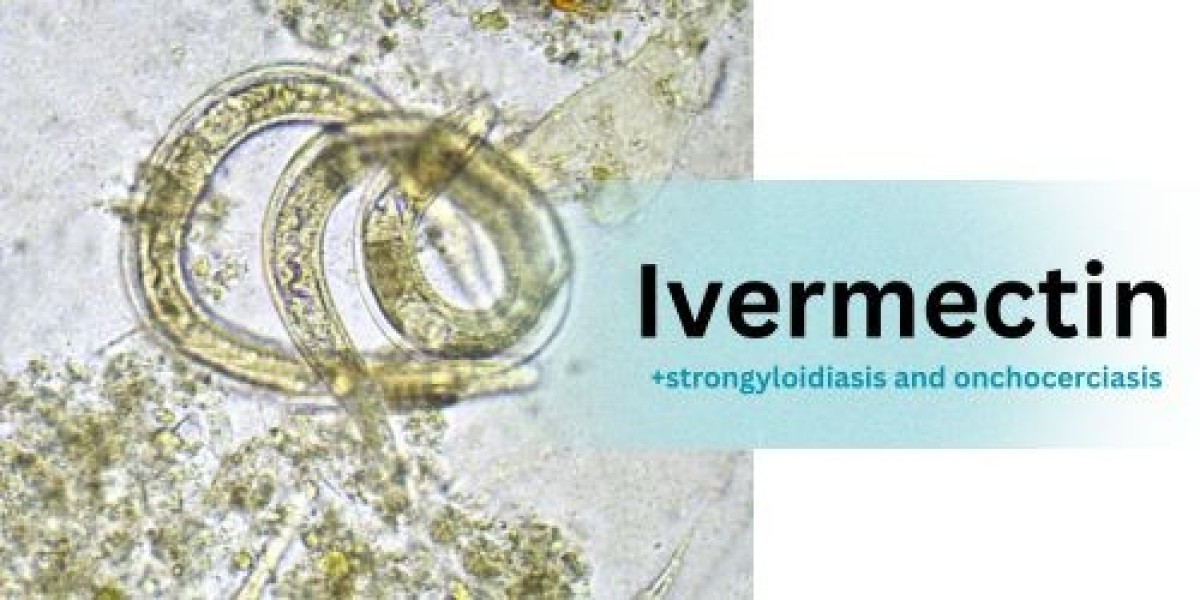

Strongyloidiasis and onchocerciasis are parasitic infections caused by different types of worms. These infections can affect people who live in or travel to areas where certain parasites are common. Understanding their causes, symptoms, prevention, and treatment can help people recognize a possible infection and seek appropriate medical care.
Although both conditions come from parasites, they affect the body in different ways. Strongyloidiasis mainly affects the intestinal tract, while onchocerciasis can affect the skin, eyes, and other tissues.
What is Strongyloidiasis?
Strongyloidiasis is a parasite infection caused mainly by Strongyloides stercoralis , a type of microscopic roundworm. The parasite commonly enters the body when a person walks barefoot on contaminated soil.
The larvae can penetrate the skin and then travel through the bloodstream to the lungs. After reaching the throat, they may move into the digestive tract, where adult worms live in the small intestine.
Some people develop no noticeable symptoms. Others may experience digestive or skin-related problems.
Common Symptoms of Strongyloidiasis
Symptoms can vary from person to person. Common signs include:
· Abdominal pain or discomfort
Diarrhea
• Nausea
• Loss of appetite
• Skin rash or itching
· Cough or breathing discomfort during the early stage of infection
· Unexplained weight loss in some cases
People with weakened immune systems can develop a more serious form of strongyloidiasis. For this reason, healthcare professionals may recommend testing when they suspect the infection.
What is Onchocerciasis?
Onchocerciasis, also called river blindness , is another parasitic infection. It develops after repeated bites from infected blackflies that live near fast-flowing rivers and streams, particularly in parts of sub-Saharan Africa and some areas of Latin America.
The parasite Onchocerca volvulus causes the infection. After an infected blackfly bites a person, the parasite develops inside the body and produces microscopic larvae called microfilariae.
These larvae can move through the skin and eyes. Over time, repeated infection can cause severe itching, skin changes, and eye problems.
Common Symptoms of Onchocerciasis
Symptoms may develop gradually and can include:
• Intense skin itching
• Skin rash
· Skin thickening or changes in skin texture
· Small lumps under the skin
• Eye irritation
· Changes in vision
· Vision loss in advanced cases
Early diagnosis and treatment can help reduce the risk of serious complications.
What Causes Strongyloidiasis and Onchocerciasis?
Both conditions result from parasitic worms, but they spread through different routes.
Strongyloidiasis: The parasite usually enters the body when larvae in contaminated soil penetrate the skin.
Onchocerciasis: The infection spreads through repeated bites from infected blackflies.
These differences matter because prevention also requires different approaches. Wearing protective footwear can reduce exposure to contaminated soil, while reducing exposure to blackfly bites can help lower the risk of onchocerciasis.
How Are These Infections Diagnosed?
Healthcare professionals may use different tests depending on the suspected infection.
For strongyloidiasis, doctors may examine stool samples to look for evidence of the parasite. They may also recommend blood tests or other diagnostic methods when necessary.
For onchocerciasis, healthcare professionals may examine skin samples, blood, or other specimens to identify the parasite or its larvae. Eye examinations can also help detect complications affecting vision.
Because symptoms can resemble those of other conditions, a healthcare professional should confirm the diagnosis before treatment begins.
Treatment for Strongyloidiasis
Doctors commonly use antiparasitic medicines to treat strongyloidiasis. Ivermectin is an important treatment option for many patients with this infection.
The appropriate medicine and treatment duration depends on the patient's condition, infection severity, medical history, and other factors. A healthcare professional should determine the appropriate dose and treatment plan.
Products such as Iverhuman 6 mg Tablet and Iverhuman 12 mg contain ivermectin. However, the strength of a tablet does not determine whether it is appropriate for a particular patient. Patients should use ivermectin only according to medical advice.
Treatment for Onchocerciasis
Healthcare professionals commonly use ivermectin to control onchocerciasis. The medicine targets the microfilariae and helps reduce the number of larvae in the body.
Treatment may require repeated doses over time because adult worms can continue to produce microfilariae. Doctors may therefore create a treatment schedule based on the patient's infection and local treatment guidelines.
Patients should not self-treat suspected onchocerciasis. Medical evaluation helps confirm the diagnosis and identify possible eye or skin complications.
Is Ivermectin Suitable for Every Parasite Infection?
No. Ivermectin works against certain parasites, but it does not treat every parasite infection .
Different parasites require different medicines. Taking an antiparasitic medicine without a confirmed diagnosis may delay appropriate treatment or cause unwanted effects.
Before using ivermectin, patients should tell their healthcare professional about their medical history, current medications, allergies, pregnancy status when relevant, and any other important health information.
How Can You Prevent These Infections?
Prevention depends on how the parasite spreads.
For strongyloidiasis:
· Wear shoes when walking on soil in areas where the infection occurs.
· Avoid direct contact with potentially contaminated soil.
· Follow proper sanitation and hygiene practices.
· Seek medical advice after possible exposure if symptoms develop.
For onchocerciasis:
· Reduce exposure to blackfly bites in areas where the infection occurs.
· Wear protective clothing when appropriate.
· Use insect protection recommended by local health authorities.
· Follow community-based prevention and treatment programs in affected regions.
When Should You See a Doctor?
Speak with a healthcare professional if you develop persistent abdominal symptoms, unexplained skin itching or rashes, or vision changes after living in or traveling to an area where these infections occur.
You should also seek medical advice if you suspect exposure to contaminated soil or repeated blackfly bites. Early evaluation can help identify the infection and guide appropriate treatment.
Final Thoughts
Strongyloidiasis and onchocerciasis are different parasitic infections that require proper diagnosis and appropriate treatment. Strongyloidiasis primarily affects the intestinal system, while onchocerciasis can cause significant skin and eye problems.
Ivermectin plays an important role in treating certain parasitic infections, including many cases of strongyloidiasis and onchocerciasis. Iverhuman 6 mg Tablet and Iverhuman 12 mg are ivermectin formulations, but patients should choose the appropriate strength and dosing schedule only with guidance from a qualified healthcare professional.
Understanding how these infections spread, recognizing possible symptoms, and seeking timely medical care can help reduce complications and support effective treatment .