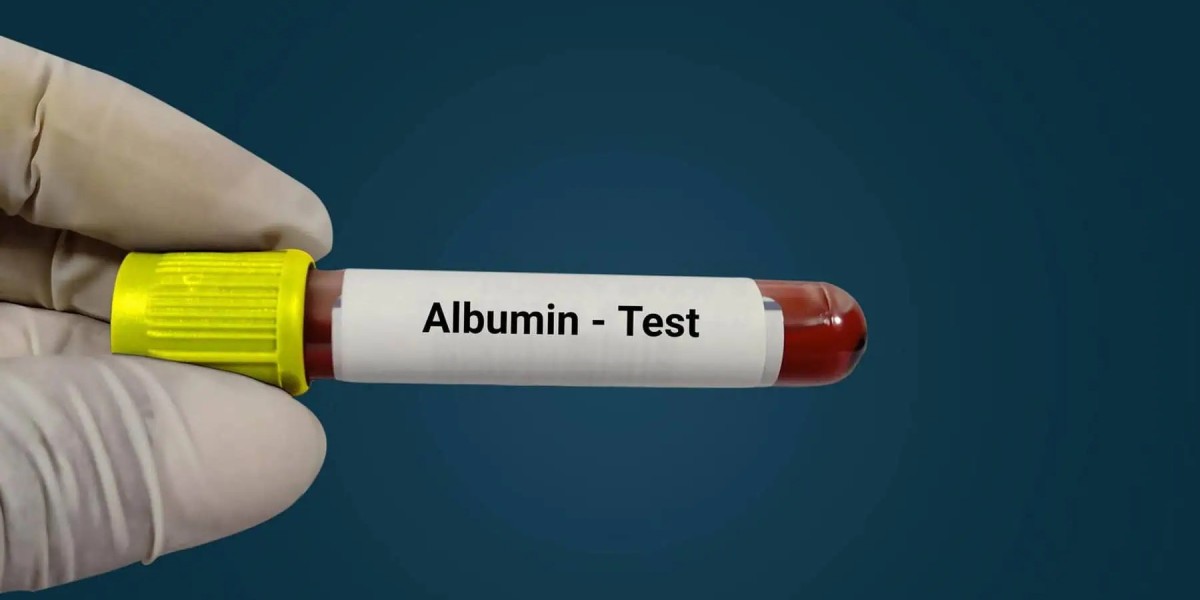

The kidneys and albumin have a close relationship that can provide important clues about your health. While an Albumin Blood Test in Dubai primarily measures the amount of albumin circulating in your bloodstream, understanding that result alongside kidney function tests and urine protein testing can help doctors identify problems affecting the body's fluid and protein balance.
Albumin is an essential blood protein made mainly by the liver. Healthy kidneys normally keep albumin in the bloodstream rather than allowing large amounts to pass into urine. When kidney filters become damaged, albumin can leak into the urine, potentially reducing blood albumin when protein loss is substantial.
This makes albumin relevant to kidney health, but it is important to understand that a blood albumin test and a urine albumin test answer different questions.
The Kidney-Albumin Connection in Simple Terms:
Think of the kidneys as highly selective filters. They remove waste products and excess substances from the blood while retaining important components, including most proteins.
Albumin is one of those proteins.
When the kidney's filtering units, called glomeruli, are healthy, very little albumin crosses into urine. If these filters become damaged, albumin may begin appearing in the urine.
This is known as albuminuria.
A urine albumin test can therefore detect an important sign of kidney damage, sometimes before other kidney function measurements become abnormal.
The blood albumin level provides a different piece of information. It tells you how much albumin is circulating in the blood at the time of testing.
What Does an Albumin Blood Test Measure?
An albumin blood test measures the concentration of albumin in your bloodstream. Albumin helps maintain fluid balance inside blood vessels and transports various substances throughout the body.
Many laboratories use an adult reference range of approximately 3.5 to 5.0 g/dL, although the exact range can vary by laboratory and testing method.
A normal blood albumin level generally means there is an appropriate concentration of albumin in circulation. A low level can occur for several reasons, including kidney protein loss, liver disease, inflammation, nutritional problems, or fluid changes.
Therefore, an abnormal albumin result does not automatically mean that the kidneys are damaged.
Why Albumin Appears in Urine When Kidney Filters Are Damaged?
The kidney's filtering system contains millions of microscopic structures called nephrons. Each nephron contains a glomerulus that helps filter blood.
The glomerular filtration barrier normally prevents significant amounts of albumin from entering the urine.
When this barrier is damaged, albumin can pass through more easily.
Kidney conditions associated with albuminuria can include:
Diabetic kidney disease
High blood pressure-related kidney damage
Glomerular diseases
Chronic kidney disease
Certain inflammatory kidney conditions
Finding albumin in urine does not identify the exact disease by itself. However, persistent albuminuria can be an important warning sign that deserves medical evaluation.
Blood Albumin vs. Urine Albumin: Why the Difference Matters
One of the most common sources of confusion is assuming that an albumin blood test and urine albumin test measure the same thing.
They do not.
Blood albumin testing measures the concentration of albumin circulating in your bloodstream.
Urine albumin testing measures how much albumin is being released into the urine.
For kidney health, urine testing is often particularly useful because albumin leakage can be an early indicator of kidney damage.
A person can have kidney disease and still have a normal blood albumin level, especially in the earlier stages.
Likewise, someone can have low blood albumin without having kidney disease.
This distinction is essential when interpreting laboratory results.
What Is the Albumin-to-Creatinine Ratio?
The urine albumin-to-creatinine ratio, commonly abbreviated as ACR or UACR, is a widely used way to assess albumin in urine.
Instead of simply measuring the amount of albumin in a urine sample, the test compares albumin with creatinine. This helps account for how concentrated or diluted the urine is.
Persistent elevation of urine albumin can indicate kidney damage and may be used when assessing chronic kidney disease risk.
Doctors may recommend an ACR test for people who have conditions that increase the risk of kidney disease, such as diabetes or high blood pressure.
What Does Low Blood Albumin Mean for Kidney Health?
Low blood albumin can occur when the kidneys lose substantial amounts of protein through urine.
However, this generally reflects more significant protein loss rather than the presence of a small amount of albuminuria.
A person may have albumin in the urine without having a low blood albumin concentration.
If protein loss becomes extensive, blood albumin may fall. This can contribute to fluid moving out of blood vessels and into surrounding tissues, potentially causing edema, or swelling.
Swelling may occur around the ankles, feet, legs, hands, or other areas depending on the underlying condition.
Kidney Disease Can Exist With Normal Albumin:
A normal albumin blood test should not be considered proof that the kidneys are functioning normally.
Kidney health is assessed using multiple measurements.
Two particularly important tests are serum creatinine and estimated glomerular filtration rate (eGFR). Creatinine is a waste product that the kidneys normally remove from the blood, while eGFR provides an estimate of kidney filtration.
Urine testing adds another dimension because it can detect protein leakage.
As a result, doctors may consider:
Blood creatinine
eGFR
Urine albumin
Urine protein
Blood albumin
Blood pressure
Blood glucose or diabetes-related markers
Electrolytes
Medical history and symptoms
Together, these results provide a more complete picture of kidney health.
When Is Albumin Testing Especially Important?
Albumin-related testing may be particularly useful when someone has a higher risk of kidney disease.
For example, people with diabetes may undergo regular urine albumin testing because diabetes can damage kidney blood vessels over time.
People with high blood pressure may also require kidney monitoring because prolonged hypertension can affect the kidney's filtering structures.
Doctors may additionally investigate albumin and urine protein when there is:
Unexplained swelling
Foamy or unusually frothy urine
Abnormal kidney blood tests
A history of kidney disease
Certain autoimmune conditions
Persistent changes in urine
Other signs suggesting protein loss
The appropriate testing schedule depends on the individual's health and risk factors.
Can High Blood Albumin Be Related to Kidney Problems?
A high albumin blood level is not usually a direct sign of kidney disease.
In many cases, elevated albumin concentration is associated with dehydration. When the amount of water in the bloodstream decreases, proteins can become more concentrated.
However, kidney conditions can affect fluid balance, so doctors consider albumin together with kidney function, hydration status, electrolytes, blood pressure, and other findings.
A high albumin result alone does not diagnose a kidney disorder.
Symptoms That May Suggest a Kidney Problem:
Early kidney disease often causes few or no obvious symptoms. This is one reason laboratory testing is so valuable.
When kidney problems become more advanced, possible symptoms can include:
Swelling in the legs or ankles
Changes in urination
Persistent fatigue
Nausea
Reduced appetite
Itching
Muscle cramps
Shortness of breath
Changes in blood pressure
Foamy urine can sometimes occur when excess protein is present, although urine appearance alone cannot confirm proteinuria or kidney disease.
If symptoms are persistent or accompanied by abnormal laboratory results, medical evaluation is important.
How Doctors Interpret an Abnormal Albumin Result?
The first step is usually to determine whether the result is actually outside the laboratory's reference range.
Doctors then consider whether the finding is temporary or persistent.
For a low blood albumin level, they may investigate liver function, kidney protein loss, inflammation, nutritional status, and fluid balance.
For suspected kidney protein loss, urine ACR, urine protein testing, creatinine, and eGFR may be particularly informative.
Previous laboratory results can also help. A stable albumin level over time may have a different significance from a rapidly changing result.
The goal is to identify the underlying cause rather than treat the albumin number in isolation.
Can Diet Improve Albumin and Kidney Health?
Nutrition plays an important role in kidney health, but there is no universal diet for people with abnormal albumin results.
Simply increasing protein intake is not always appropriate. People with certain stages of chronic kidney disease may need individualized recommendations regarding protein, sodium, potassium, phosphorus, and fluid intake.
If poor nutrition is contributing to low albumin, a healthcare professional or registered dietitian can help develop an appropriate eating plan.
A balanced diet, healthy blood pressure, good blood glucose control, adequate physical activity, and avoidance of smoking can support overall kidney health.
What Should You Do After an Abnormal Result?
If your albumin blood test is abnormal, avoid assuming that the result automatically indicates kidney disease.
Instead, consider the result as one part of a larger health assessment.
Ask your healthcare professional:
Is my albumin result actually outside this laboratory's reference range?
Could dehydration, inflammation, liver disease, nutrition, or another factor explain the result?
Should I have a urine albumin-to-creatinine ratio?
Are my creatinine and eGFR within the expected range?
Do I need repeat testing?
These questions can help clarify whether further kidney evaluation is appropriate.
Frequently Asked Questions:
Does a blood albumin test detect kidney disease?
It can provide useful information but cannot diagnose kidney disease by itself. Blood albumin may decrease with substantial urinary protein loss, but urine albumin testing, creatinine, and eGFR are generally more directly useful for evaluating kidney health.
What albumin test is best for kidney screening?
A urine albumin-to-creatinine ratio is commonly used to detect albumin leakage into urine. The appropriate test depends on your health history and risk factors.
Can kidney disease cause low albumin?
Yes. Significant protein loss through damaged kidney filters can lower blood albumin. However, low albumin also has many non-kidney causes.
Is albumin in urine always serious?
Not necessarily. Temporary increases can occur in certain situations, but persistent albuminuria can be an important sign of kidney damage and should be evaluated.
Can you have kidney disease with normal blood albumin?
Yes. Early kidney disease may cause urine albumin or reduced eGFR while blood albumin remains normal.
The Key Takeaway for Kidney Health:
Albumin plays an important role in understanding the relationship between blood proteins and kidney function. A blood albumin Lab tests tells you about the concentration of albumin circulating in your bloodstream, while a urine albumin test helps determine whether the kidneys are allowing too much albumin to pass into urine.
For kidney health, neither test should be interpreted alone. Blood creatinine, eGFR, urine albumin-to-creatinine ratio, blood pressure, medical history, and symptoms can all contribute to a more accurate assessment.
If you receive an abnormal albumin result, focus on understanding the cause rather than trying to change the number yourself. Your healthcare professional can determine whether the finding relates to kidney protein loss, liver function, nutrition, inflammation, hydration, or another factor and decide whether additional testing is needed.
Understanding the difference between blood albumin and urine albumin is one of the most important steps toward making sense of albumin testing and protecting long-term kidney health.