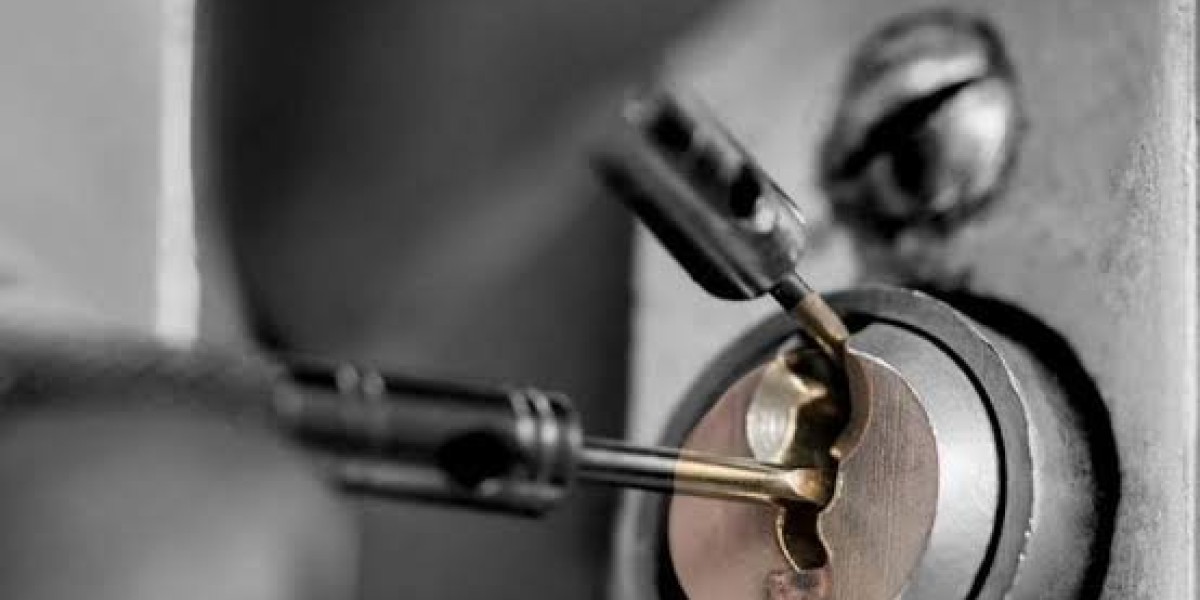

A 24 hour locksmith can become essential when a lock problem happens outside normal working hours. A faulty lock at midnight, a broken key after work, or a door that suddenly refuses to open can leave you with very few practical options.
Knowing the most common after-hours lock problems can help you react calmly and avoid making the damage worse.
A Key Breaks Inside the Lock
A broken key is one of the more frustrating problems because the door may still be locked while part of the key remains inside the cylinder.
Do not push another object into the lock or try to force the broken section deeper.
You should also avoid repeatedly turning the remaining piece. This can make removal more difficult.
If the key has snapped, explain the situation clearly when requesting assistance. The locksmith can assess whether the key can be removed and whether the cylinder has been damaged.
The Lock Suddenly Stops Turning
A lock can work normally for months and then become difficult without warning.
You may insert the key but find that it will not rotate. In other cases, the key may turn partially before stopping.
Several things can cause this, including a worn cylinder, damaged internal components, a faulty key, or pressure caused by door misalignment.
Avoid using excessive force. A stuck key can break if too much pressure is applied.
You Cannot Secure the Door at Night
Not every emergency involves being locked outside.
Sometimes the bigger concern is being unable to lock your home before going to bed.
For example, the key may turn without engaging the bolt, or the latch may not stay in position.
If the door cannot be secured, treat the problem seriously. Leaving an important entrance unsecured overnight may create an unnecessary security concern.
A professional assessment can determine whether the lock needs adjustment, repair, or replacement.
The Door Handle Becomes Loose
A loose handle may seem less serious than a completely broken lock, but it can affect the door's operation.
The handle connects with the latch mechanism. If the connection becomes loose or damaged, the latch may not retract correctly.
Check whether the handle still operates normally.
If the door cannot close or lock reliably, avoid repeatedly pulling or forcing the handle.
A simple hardware problem may be easier to correct before additional components become damaged.
You Lose Your Keys After Work
Losing keys during the evening can create a difficult situation.
Before calling for emergency assistance, check whether a trusted person has a spare key.
If there is no spare, consider where the key was lost and whether it could be connected to your property.
If someone could identify your address from the lost key, you may need to consider changing or rekeying the lock after gaining access.
The immediate goal is to regain safe entry. The next step is deciding whether the existing lock should remain in use.
A Sliding Door Will Not Lock
Sliding doors can create different problems from standard hinged doors.
The door may appear fully closed but fail to engage the lock. The locking mechanism may also become difficult to operate if the door is misaligned.
Do not assume that changing the cylinder alone will fix the issue.
Check whether the door reaches its normal closed position and whether the locking mechanism lines up correctly.
If the hardware itself needs attention, a compatible sliding door lock may be considered depending on the door design.
A Balcony Door Becomes Difficult to Secure
Balcony doors are another area where a small locking problem can become urgent.
A loose handle, damaged cylinder, or misaligned latch can prevent the door from securing properly.
Because the door provides access to the outside, it should not be left with a faulty locking mechanism simply because the door still closes.
If the problem appears suddenly, avoid making temporary modifications that could damage the frame or locking points.
A Door Is Accidentally Locked
Sometimes there is no mechanical failure at all.
You may simply close a door while the keys remain inside.
In this situation, attempting to manipulate the lock with improvised tools can damage the door.
A professional door unlock service near me can focus on restoring access while avoiding unnecessary damage to the locking system.
The appropriate method depends on the type of lock and door.
What Information Should You Give the Locksmith?
When requesting after-hours assistance, provide useful details from the beginning.
Mention:
Your type of property
The type of door
Whether you are inside or outside
Whether the key is available
What happened to the lock
Whether there is visible damage
Whether you need unlocking, repair, or replacement
This can help the technician prepare for the job.
If possible, take a clear photograph of the lock and door. A photo may help identify the general hardware type before the technician arrives.
Do Not Turn an Emergency Into a Bigger Repair
Night-time lock problems can create pressure to find a quick solution.
However, forcing a key, damaging the door, or attempting an unfamiliar repair may increase the eventual cost.
If normal operation has failed, stop using excessive force.
Professional assistance can help determine whether the problem is a simple adjustment or something that requires replacement.
Plan Before the Next Emergency
Once the problem is resolved, think about why it happened.
If the lock was already showing signs of wear, arrange maintenance instead of waiting for another failure.
Keep a spare key with someone you trust and save reliable emergency contact details on your phone.
For rental or commercial properties, make sure authorized people know who should be contacted when an access problem occurs outside normal hours.
Final Thoughts
After-hours lock problems can happen without warning. A broken key, failed cylinder, loose handle, lost key, or unsecured sliding door can quickly become an urgent concern.
The safest approach is to avoid forcing the mechanism and clearly explain the problem when requesting professional assistance.
Once access is restored, address the underlying cause. Preventing the next lock failure is often easier than dealing with another emergency in the middle of the night.