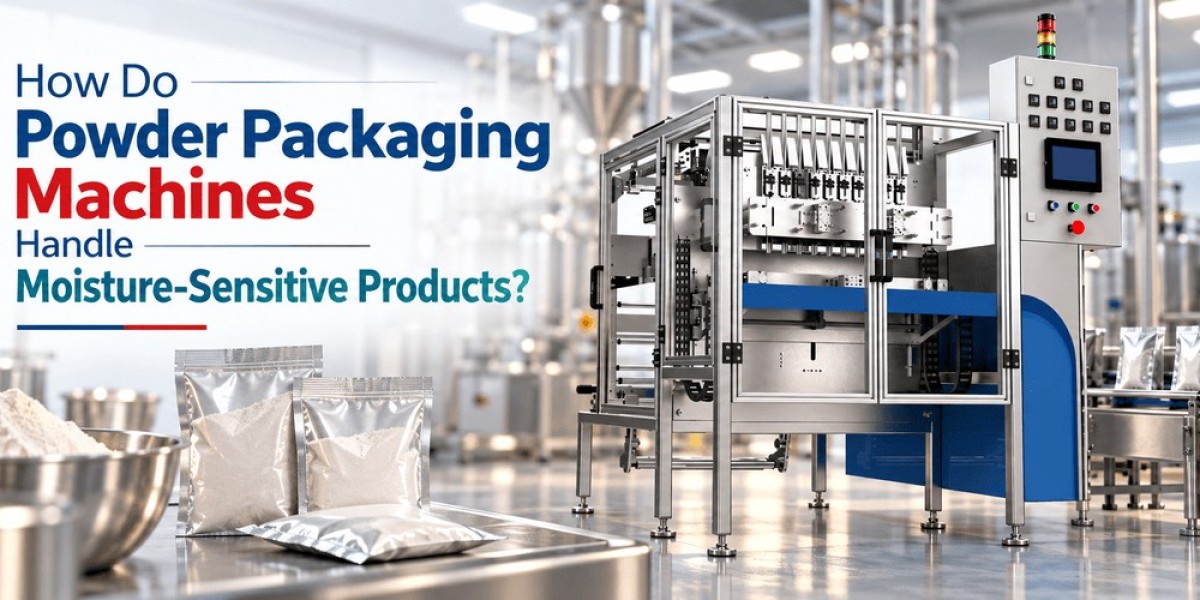

Magnesium hydroxide powder is widely used in pharmaceuticals, antacids, flame retardants, and industrial applications. Many grades are hygroscopic: they readily absorb moisture from the air. Once moisture is absorbed, the powder can cake, lose free-flow characteristics, change bulk density, and create dosing variation or handling problems on the packaging line.
Automatic powder filling machines address these challenges through a combination of environmental controls, enclosed product paths, appropriate dosing technology, and packaging materials that limit further moisture ingress after filling. The goal is to keep the powder dry and free-flowing from the supply hopper through dosing, filling, and sealing so that every package leaves the line with consistent weight and intact product quality.
With moisture-sensitive powders, the packaging process must protect the material from the air as carefully as the final package protects it from the outside environment.
Industry Snapshot
Industry experience shows that hygroscopic powders such as certain grades of magnesium hydroxide require tighter process controls than free-flowing materials. Facilities that combine humidity management, sealed handling, and barrier packaging materials typically achieve more stable fill weights and fewer flow-related interruptions than those relying on open systems.
Why Magnesium Hydroxide and Similar Powders Are Moisture-Sensitive
Magnesium hydroxide powder can absorb water vapor from ambient air because of its chemical nature and, in many grades, relatively high specific surface area. When moisture is taken up, liquid bridges can form between particles. These bridges increase cohesion, promote caking, and reduce the powder’s ability to flow freely under gravity or through dosing systems.
The practical result on a packaging line is inconsistent bulk density, bridging or rat-holing in hoppers, variable fill weights, and potential quality issues downstream. Higher-surface-area or finer grades tend to be more sensitive. Temperature and relative humidity in the production area directly influence how quickly these changes occur. Understanding this behavior is the starting point for selecting equipment and process conditions that keep the powder stable during packaging.
How Environmental Controls Limit Moisture Uptake During Packaging
Controlled humidity in the packaging area is one of the most effective ways to slow moisture absorption before the powder reaches the sealed package. Lower relative humidity reduces the driving force for water vapor to enter the powder bed.
Many facilities maintain the packaging zone at a defined humidity range suitable for the specific grade of magnesium hydroxide or similar hygroscopic material. Air handling systems, dehumidifiers, and monitoring instruments help keep conditions stable. Enclosed hoppers and transfer points further limit the powder’s exposure to ambient air.
Supporting measures include:
- Humidity Monitoring and Control: Continuous measurement of relative humidity near the filling zone allows operators to respond before powder properties begin to change.
- Enclosed Product Paths: Hoppers, feed tubes, and dosing chambers that minimize open surface area reduce the time powder spends in contact with room air.
- Material Staging Practices: Keeping bulk containers sealed until needed and transferring powder quickly into the machine hopper limits cumulative moisture exposure.
- Temperature Stability: Stable ambient temperature helps avoid condensation risks and keeps powder behavior more predictable.
- Personnel and Airflow Discipline: Controlled access and directed airflow patterns reduce the introduction of moist air into critical zones.
- Rapid Transition to Sealing: Minimizing the time between dosing and package closure reduces the window for moisture uptake after the powder leaves the hopper.
These controls create a more stable operating environment for moisture-sensitive powders.
What Dosing Technologies Work Best for Hygroscopic Powders?
Dosing systems for magnesium hydroxide and similar materials must handle changing flow properties without allowing excessive air exposure or mechanical degradation of the powder.
Auger Filling Systems
Servo-driven auger fillers are commonly used for cohesive or moisture-sensitive powders. The rotating screw meters a controlled volume of powder into the package. Agitation in the hopper helps prevent bridging, while enclosed construction limits ambient exposure. Feedback from load cells allows the system to adjust for density changes that occur as the powder absorbs small amounts of moisture.
Agitation and Hopper Design
Mechanical or vibratory agitation keeps the powder moving toward the dosing zone. Hopper geometry with steep walls and smooth surfaces reduces the chance of stable bridges forming. Level sensors alert operators when flow begins to deteriorate.
Minimizing Open Exposure
The dosing path is kept as short and enclosed as practical. Quick-acting shut-off devices at the end of the fill cycle reduce residual powder hanging in open air. These design choices help preserve the powder’s condition from hopper to package.
How Do Packaging Materials and Sealing Protect the Finished Product?
Once the powder is inside the package, the packaging material and seal become the primary barriers against further moisture ingress. Barrier performance is measured by water vapor transmission rate (WVTR). Lower WVTR values provide stronger protection for hygroscopic products.
Common high-barrier structures include multilayer films with aluminum foil or specialized polymer layers that significantly restrict water vapor passage. The seal must be continuous and free of channels so that the barrier remains intact.
Practical material and sealing considerations include:
- Barrier Film Selection: Films or laminates with low WVTR are chosen according to the expected storage conditions and shelf-life requirements of the magnesium hydroxide grade.
- Seal Integrity: Consistent sealing temperature, pressure, and dwell time produce reliable closures that prevent moisture entry at the seal interface.
- Seal-Area Cleanliness: Dust or powder particles in the seal zone can create weak points; controlled fill and settling help keep the area clean.
- Package Format Suitability: Pouches, stick packs, or other formats are selected so that the powder is contained with minimal headspace and a reliable seal geometry.
- Secondary Protection: Outer cartons or additional barriers may be used when distribution conditions involve high humidity or long transit times.
- Compatibility with Product: Inner layers must be chemically compatible with magnesium hydroxide and any residual process aids.
These elements determine how well the finished package protects the powder after it leaves the filling machine.
How Does Dust Control Interact with Moisture Management?
Fine magnesium hydroxide powders generate dust that can become airborne during filling. Dust control is necessary for both product recovery and workplace cleanliness, yet the methods used must not introduce additional moisture or disrupt the controlled environment.
Enclosed transfer points, local extraction with filtered return air, and smooth internal surfaces reduce the amount of powder that escapes into the room. Extraction systems are designed so that the air removed does not create uncontrolled drafts that pull moist ambient air into the product zone. Recovered powder is handled according to quality procedures so that it does not reintroduce moisture or contamination. Effective dust management therefore supports both hygiene and the moisture-control strategy by keeping the process zone cleaner and more stable.
How Do Process Controls Maintain Fill Accuracy with Changing Powder Properties?
As magnesium hydroxide absorbs moisture, its bulk density and flow behavior can shift. Automatic powder filling machines compensate for these changes through real-time feedback and adjustable process parameters.
Load-cell or gravimetric systems measure the actual weight delivered and adjust the next dose. Servo controls on augers allow fine changes in rotation speed or duration. Recipe management stores settings for different powder lots or humidity conditions so that operators can respond quickly when material behavior changes.
Key control practices include:
- Gravimetric Feedback: Continuous or intermittent weight checks detect density shifts and trigger automatic corrections.
- Agitation Adjustment: Intensity or duration of hopper agitation can be modified if bridging or inconsistent flow appears.
- Fill-Speed Profiling: Slower initial or final stages of the fill cycle can improve accuracy when the powder becomes more cohesive.
- Lot-to-Lot Verification: Incoming powder moisture content and flow characteristics are checked so that process settings start from a known baseline.
- Reject and Divert Logic: Packages outside the acceptable weight range are removed before further processing.
- Data Trending: Review of weight variation over time helps identify gradual moisture-related drift before it becomes a larger problem.
These controls allow the line to maintain acceptable fill accuracy even as the powder’s properties evolve during a production run.
How Is the Packaging Line Configured for Moisture-Sensitive Powders?
Successful packaging of materials such as magnesium hydroxide depends on the entire line configuration, not only the filler itself.
Supply and Transfer
Bulk powder is kept in sealed containers until it is transferred into the machine hopper under controlled conditions. Transfer methods minimize open exposure and avoid introducing moist air.
Integration with Forming or Pouch Systems
When the filler is paired with a vertical form-fill-seal or premade-pouch machine, the timing between dosing and sealing is kept short. This reduces the interval during which the powder sits in an open or partially closed package.
Cleaning and Changeover
Equipment surfaces that contact the powder are designed for thorough cleaning so that residual moist powder does not remain and affect the next batch. Dry-cleaning methods or carefully controlled wet cleaning followed by complete drying are selected according to the product and hygiene requirements.
Environmental Zoning
The packaging area is treated as a controlled zone with defined humidity limits, while upstream and downstream areas may operate under different conditions. Clear boundaries and procedures prevent moist air from migrating into the critical zone.
Line-level design therefore reinforces the moisture-protection measures applied at the dosing station.
How Do Storage and Distribution Conditions Affect Long-Term Product Quality?
Even a well-executed packaging process can be undermined if the finished packages are exposed to high humidity or temperature cycling during storage and distribution. Barrier films slow moisture ingress, but they do not stop it completely over long periods under severe conditions.
Warehouses and transport routes are evaluated for expected humidity and temperature ranges. Packages may be placed in secondary protective packaging or stored with humidity indicators when the risk is elevated. Shelf-life claims are based on stability data that include the packaging system under realistic distribution stresses. Coordination between packaging engineering and logistics ensures that the protection achieved on the filling line continues through to the end user.
What Practical Steps Improve Results with Moisture-Sensitive Powders?
Manufacturers handling magnesium hydroxide or similar hygroscopic powders can improve consistency by addressing several practical points before and during production.
Useful steps include:
- Powder Characterization: Measure moisture content, particle size, and flow behavior of incoming lots under the humidity conditions expected in the packaging area.
- Environmental Baseline: Establish and maintain a target humidity range for the packaging zone and verify it with continuous monitoring.
- Equipment Enclosure and Agitation: Confirm that hoppers and dosing paths are adequately enclosed and that agitation is matched to the powder’s cohesive tendency.
- Barrier Packaging Validation: Select and verify films or laminates with suitable WVTR for the required shelf life and distribution conditions.
- Process Recipe Development: Create and store settings that account for typical density variation and allow rapid adjustment when conditions change.
- Operator Training and Response Plans: Train staff to recognize early signs of caking or flow deterioration and to follow defined corrective actions.
These steps reduce the likelihood of unexpected variation during routine production.
What Should Manufacturers Consider When Selecting Equipment for Moisture-Sensitive Powders?
Selecting an automatic powder filling machine or complete packaging line for products such as magnesium hydroxide begins with a clear understanding of the powder’s moisture sensitivity, particle characteristics, and target package format. Equipment should provide enclosed product paths, effective agitation, gravimetric or highly controllable volumetric dosing, and compatibility with high-barrier packaging materials.
Integration with humidity control in the packaging area, short time from dose to seal, and cleanable surfaces that support dry or controlled cleaning methods are equally important. Process data collection helps monitor fill-weight trends that may signal moisture-related changes. Early trials with actual powder under representative humidity conditions reveal whether the proposed configuration maintains acceptable flow and accuracy. A system chosen with these factors in mind supports more stable production and better protection of the finished product than one selected solely on speed or general powder-handling capability.
Illustrative Packaging Performance Example
A producer packaging pharmaceutical-grade magnesium hydroxide evaluated an enclosed auger filling system integrated with a high-barrier pouch line and local humidity control. In this illustrative scenario, the operation focused on reducing open exposure time, maintaining consistent agitation to limit bridging, applying gravimetric feedback to correct for density shifts, and using low-WVTR film with reliable seals. Early trials under controlled humidity helped set agitation intensity, fill profiles, and sealing parameters. The example shows how coordinated attention to environment, dosing, and packaging materials can improve fill consistency and product stability for moisture-sensitive powders.
Comparison Table of Approaches for Moisture-Sensitive Powders
Challenge | Primary Approach | Supporting Features | Main Benefit |
Moisture uptake in process | Humidity control + enclosed paths | Monitoring, sealed hoppers, short exposure | More stable powder flow and density |
Caking and bridging | Agitation + hopper design | Mechanical/vibratory agitation, steep walls | Continuous feed to the dosing unit |
Fill-weight variation | Gravimetric feedback | Load cells, servo adjustment, recipes | Tighter weight control despite changes |
Post-fill protection | High-barrier films + reliable seals | Low WVTR materials, clean seal area | Limited further moisture ingress |
Dust and cleanliness | Enclosed transfer + extraction | Filtered systems, smooth surfaces | Cleaner process zone and product recovery |
Frequently Asked Questions
Why is magnesium hydroxide considered moisture-sensitive?
Many grades absorb water vapor from the air, which can lead to caking, reduced flowability, and changes in bulk density that affect dosing accuracy and product quality.
What dosing method is commonly used for these powders?
Servo-driven auger fillers with hopper agitation are frequently selected because they provide controlled delivery for cohesive materials while limiting open exposure.
How important is packaging film selection?
High-barrier films with low water vapor transmission rates help protect the filled powder from further moisture uptake during storage and distribution.
Can humidity control alone solve the problem?
Humidity control is highly effective but works best when combined with enclosed handling, appropriate dosing technology, and barrier packaging.
What should manufacturers evaluate before choosing equipment?
They should assess the powder’s moisture sensitivity and flow behavior, required package format, humidity conditions in the production area, need for gravimetric control, cleanability, and integration with sealing and downstream processes.
Wrapping Up
Powder packaging machines handle moisture-sensitive products such as magnesium hydroxide by limiting the powder’s exposure to humid air, maintaining flow through agitation and enclosed systems, compensating for density changes with feedback controls, and protecting the finished product with barrier materials and reliable seals.
Environmental management, dosing technology, packaging materials, and process monitoring each play a distinct role. When these elements are matched to the specific behavior of the powder and validated under realistic conditions, automatic powder filling machines can deliver consistent weights and preserve product quality from the hopper to the sealed package. Treating moisture control as a complete process—rather than a single machine feature—gives manufacturers the most reliable path to stable production and protected end product.
For hygroscopic powders, every minute of open exposure and every gap in the barrier counts. Consistent control across the entire packaging sequence is what protects both the process and the product.