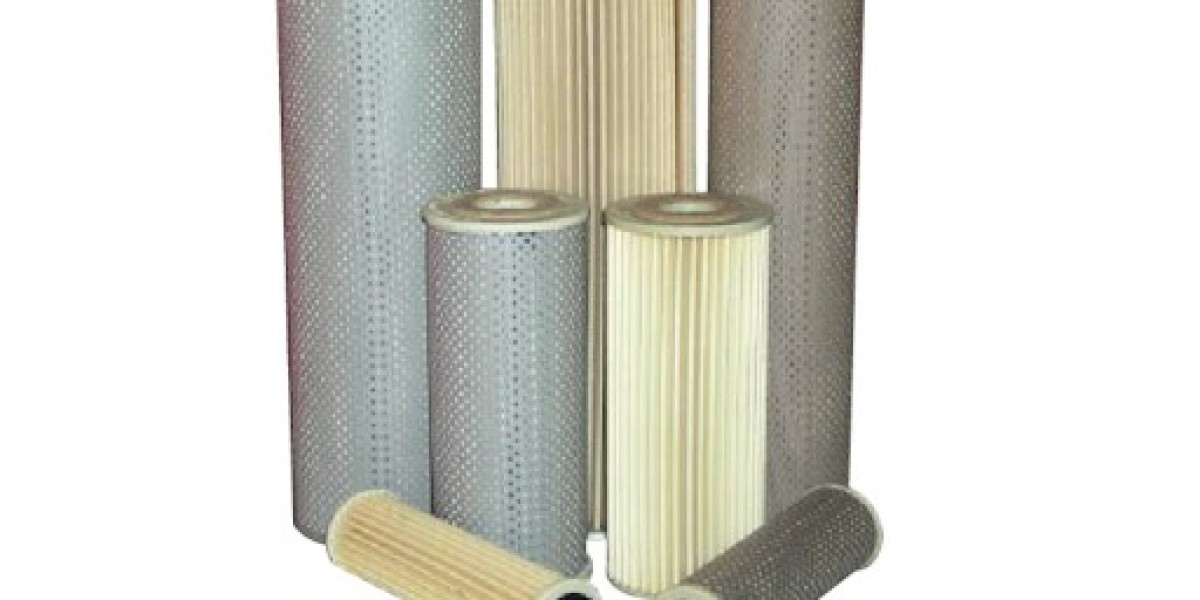

People obsess over filter media specs and forget the boring stuff that actually causes most field failures. A dust collector filter cartridge can have perfect media, top-tier filtration efficiency, all of it, and still underperform badly if the dimensions, gaskets, or end caps aren't right. It's the unglamorous part of filtration nobody wants to talk about, but honestly, it's where most of the real-world problems actually start showing up.
Why the "Boring" Details Matter So Much
Filter media gets all the attention because it's the sexy spec, the number people quote. But cartridge dimensions and seal quality determine whether that media actually gets to do its job properly. A dust collector filter cartridge with slightly wrong dimensions creates gaps, bypass paths, uneven seating in the housing. Same logic applies to a teflon cartridge filter, doesn't matter how good the PTFE media is if the physical construction around it lets contamination sneak past the filtration barrier entirely.
Cartridge Dimensions: Getting the Fit Exactly Right
Dimensional accuracy sounds like a minor detail until you're troubleshooting unexplained contamination bypass for the third week in a row. Outer diameter, inner diameter, overall length, all of these need to match your housing specifications precisely, not approximately. A few dimensional factors that actually matter:
- Outer diameter tolerance affecting seal contact with housing
- Length accuracy preventing gaps at top or bottom mounting points
- Pleat depth and count influencing usable surface area
- Core diameter compatibility with housing support structure
Even small deviations here create performance issues that seem mysterious until you measure carefully.
How Undersized or Oversized Cartridges Cause Problems
An undersized dust collector filter cartridge won't seal properly against the housing, creating a gap where unfiltered air bypasses the media entirely. That defeats the whole purpose of filtration, obviously. Oversized cartridges cause different problems, forcing improperly during installation, which can damage pleats or stress the media in ways that shorten service life significantly. Neither scenario is good, and both usually get discovered only after contamination or performance issues show up downstream, sometimes weeks later.
Gaskets: The Underappreciated Seal Point
Gaskets don't get much attention until they fail, and then suddenly everyone's paying attention. The gasket material needs to compress properly against the housing surface, maintaining seal integrity across temperature swings and vibration cycles typical in industrial dust collection. Cheap or improperly specified gasket material degrades faster, loses compression set, and eventually allows bypass around the cartridge edge. This applies whether you're running standard media or a teflon cartridge filter, gasket quality matters regardless of what's inside.
Common Gasket Material Options and Their Trade-offs
Different applications call for different gasket materials, and this isn't a one-size-fits-all decision. Standard foam gaskets work fine for many general dust collection applications but struggle with temperature extremes or chemical exposure. Polyurethane gaskets offer better durability and compression set resistance, often justifying the higher cost in demanding applications. For applications running alongside teflon cartridge filter media, matching gasket chemical resistance to the same standard the media offers just makes sense, otherwise you're creating a mismatched weak point in an otherwise robust system.
End Cap Design and Its Impact on Performance
End caps do more work than people give them credit for. They need to maintain structural integrity under pressure differential, provide a solid mounting surface for the gasket, and resist the kind of thermal or chemical stress your application throws at them. Metal end caps offer strength but can be heavier and more prone to corrosion in certain environments. Plastic or composite end caps resist corrosion better but need adequate structural rating to avoid deformation under operating pressure.
Bonding Quality Between End Caps and Media
This is where a lot of premature cartridge failures actually originate, right at the bond line between end cap and filter media. Poor bonding creates micro-gaps that let contamination bypass filtration entirely, even when the media itself and the dimensions are all correct. Look for cartridges using adhesive bonding methods rated for your specific temperature and chemical environment, not just generic bonding that might work fine in mild conditions but fail under more demanding dust collector filter cartridge applications.
How These Components Work Together in Teflon Applications
When you're specifying a teflon cartridge filter specifically, all these considerations compound. PTFE media demands compatible gasket materials that won't degrade chemically, end caps bonded using methods that maintain integrity at PTFE's typical operating temperature range, and precise dimensional tolerances since PTFE media can behave slightly differently under compression than standard synthetic media. Getting all these elements aligned properly is honestly more complex than just picking "teflon" off a spec sheet and assuming everything else will work itself out.
Practical Steps for Avoiding Fit and Seal Issues
A few habits go a long way toward avoiding these headaches. Always verify dimensions against your actual housing measurements, not just the cartridge you're replacing, since previous installations might have used slightly incorrect parts too. Inspect gaskets during every cartridge change for compression set or visible degradation. Check end cap bonding integrity periodically, especially in applications running near temperature or chemical limits. This kind of attention to detail separates dust collection systems that run reliably from ones constantly troubleshooting mystery contamination issues.
Final Thoughts
Filter media specs matter, sure, but dust collector filter cartridge performance depends just as much on dimensional accuracy, gasket quality, and end cap construction, details that rarely get the attention they deserve. Whether you're running standard cartridges or upgrading to a teflon cartridge filter for tougher applications, ignoring these "boring" components undermines even the best filtration media. Pay attention to fit and seal quality alongside media specs, and you'll avoid a lot of frustrating troubleshooting down the road.
FAQs
1. Why does cartridge dimension accuracy matter so much for dust collectors?
Even slight dimensional mismatches create gaps or improper seating in the housing, allowing unfiltered air to bypass the filter media entirely, undermining filtration performance significantly.
2. What gasket material works best with teflon cartridge filter media?
Chemically resistant options like certain polyurethane or PTFE-compatible gaskets work well, matching the media's resistance profile prevents creating a mismatched weak point in the seal.
3. Can poor end cap bonding really cause filtration failures?
Yes, weak bonding between end caps and media creates micro-gaps that let contamination bypass filtration, even when the media itself and dimensions are otherwise correct.
4. How often should gaskets be inspected on dust collector filter cartridges?
Ideally during every cartridge change, checking for compression set, cracking, or visible degradation, since worn gaskets are a common and often overlooked cause of bypass issues.