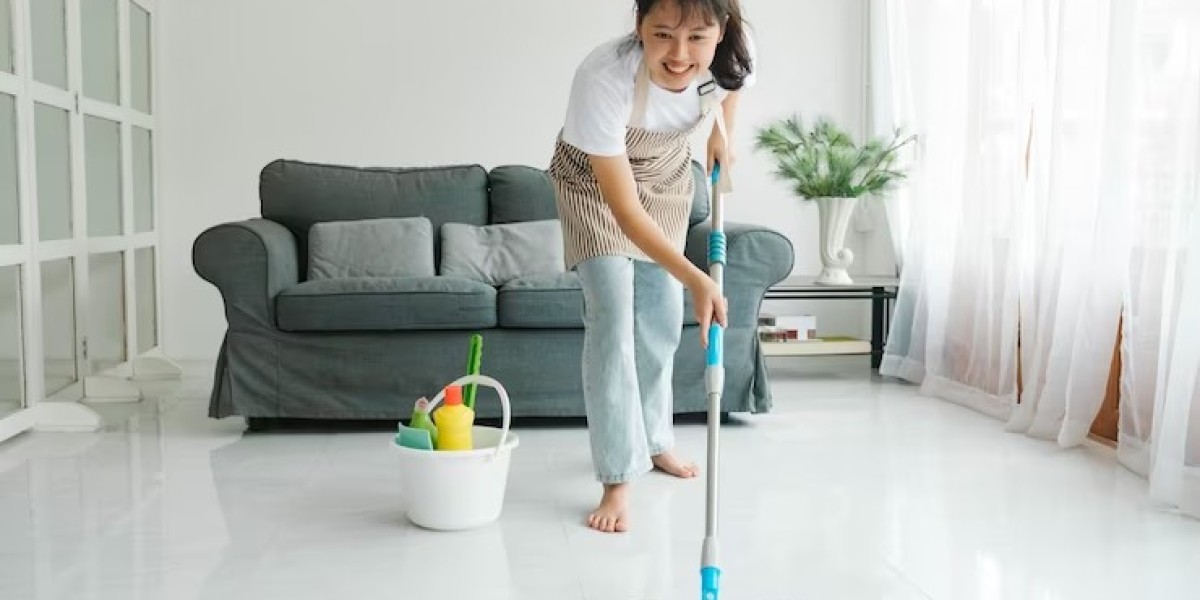

Bad odors can make even a clean apartment feel uncomfortable. Whether the smell comes from the kitchen, bathroom, garbage, carpets, drains, or stagnant air, unpleasant odors can quickly spread from one room to another. Simply spraying an air freshener may temporarily cover the smell, but it does not always address the underlying cause.
The best way to eliminate bad odors is to identify where they are coming from and clean the source properly. Regular ventilation, good housekeeping habits, and targeted cleaning can help keep your apartment smelling fresh and comfortable.
1. Find the Source of the Odor
Before cleaning, identify where the smell is coming from. Look around areas where odors commonly develop, including garbage bins, refrigerators, drains, bathrooms, carpets, upholstery, laundry baskets, and kitchen appliances.
A strong odor can sometimes indicate hidden food residue, moisture, mold growth, or another underlying issue. Cleaning the entire apartment without identifying the source may waste time and still leave the problem unresolved.
Once you locate the source, focus your cleaning efforts on that specific area.
2. Improve Air Circulation
Poor ventilation can allow unpleasant smells to remain trapped inside an apartment. Good airflow can help remove stale air and introduce fresher air.
When outdoor conditions allow, open suitable windows and doors for a short period to improve ventilation. You can also use exhaust fans in kitchens and bathrooms to remove odors and excess moisture.
For apartments where opening windows is limited, make sure your ventilation and air-conditioning systems are properly maintained according to the manufacturer's recommendations.
3. Take Out the Garbage Regularly
Garbage is one of the most common causes of bad smells in an apartment. Food scraps, packaging, and other waste can produce unpleasant odors when left inside the home for too long.
Empty kitchen and bathroom bins regularly, especially when they contain food waste or other odor-producing materials.
After removing the garbage, clean the inside of the bin if necessary. A dirty bin can continue producing odors even after the garbage has been removed.
4. Keep Your Kitchen Clean
Kitchen odors can come from food residue, grease, spills, dirty dishes, and appliances. Clean countertops and cooking surfaces after preparing meals, and do not leave dirty dishes sitting for long periods.
Clean your microwave regularly and wipe the exterior and accessible areas of kitchen appliances. Check the refrigerator for expired food and spills.
Pay special attention to the area around the stove and cooking hood because grease and food particles can accumulate there over time.
5. Clean Your Refrigerator
A refrigerator can develop strong odors when food is forgotten or spills are not cleaned promptly.
Check the contents regularly and remove expired or spoiled food. Wipe shelves and drawers with a suitable cleaning solution according to the manufacturer's recommendations.
Clean spills as soon as you notice them. Keeping food properly covered and organized can also help prevent smells from spreading throughout the refrigerator.
6. Address Bathroom Odors
Bathrooms can develop unpleasant smells because of moisture, drains, waste, and poor ventilation.
Clean the toilet, sink, shower, bathtub, tiles, and floor regularly. Remove visible soap residue and buildup from appropriate surfaces.
Keep the bathroom adequately ventilated after showers and avoid allowing moisture to remain on surfaces for extended periods.
If a persistent sewage-like smell remains despite regular cleaning, there may be an issue with plumbing, drainage, or a trap. In such cases, contact your building management or a qualified professional rather than attempting complex plumbing work yourself.
7. Clean Drains Regularly
Kitchen and bathroom drains can collect food particles, hair, soap residue, and other debris that may contribute to unpleasant odors.
Remove accessible debris and clean drains using methods appropriate for your plumbing system. Avoid mixing different chemical drain cleaners because some combinations can produce dangerous reactions.
If a drain repeatedly produces a strong odor or drains slowly, professional plumbing inspection may be appropriate.
8. Wash Carpets and Upholstery
Soft surfaces can absorb odors from food, smoke, pets, sweat, and everyday activity. Carpets, rugs, curtains, mattresses, and sofas can therefore become sources of unpleasant smells.
Vacuum carpets and upholstery regularly. Follow the manufacturer's care instructions before using cleaning products or moisture on fabrics.
For heavily soiled carpets or upholstery, professional cleaning may provide a more thorough solution than routine vacuuming.
9. Keep Laundry Areas Fresh
Wet clothes and damp towels can quickly develop musty smells. Avoid leaving damp laundry inside washing machines, baskets, or closed spaces for extended periods.
Move washed clothes to a suitable drying area promptly. Allow towels to dry completely between uses and clean your laundry basket regularly.
You should also follow your washing machine manufacturer's recommendations for cleaning and maintenance to help prevent unpleasant odors from developing inside the machine.
10. Use Odor Absorbers Carefully
Odor absorbers can help reduce certain smells, but they should complement cleaning rather than replace it.
Depending on the situation, products designed to absorb odors may be useful in refrigerators, wardrobes, bathrooms, or other enclosed areas. Always follow the product instructions and keep cleaning products away from children and pets where applicable.
Air fresheners can make an apartment smell pleasant temporarily, but identifying and removing the odor source remains the most effective long-term approach.
Prevent Bad Odors With Regular Cleaning
Preventing unpleasant smells is easier than dealing with strong odors after they develop. Establish a regular cleaning routine that includes taking out garbage, wiping kitchen surfaces, cleaning bathrooms, vacuuming carpets, washing bedding, and checking refrigerators.
Do not allow moisture to remain in poorly ventilated areas. Clean spills immediately and keep commonly used spaces organized.
Regular cleaning also makes it easier to notice unusual odors before they become persistent problems.
When to Consider Professional Apartment Cleaning
Some odors require more than quick daily cleaning. If carpets, upholstery, kitchens, bathrooms, or other areas have accumulated dirt and residue over time, professional cleaning may be worth considering.
Professional cleaners can help with detailed cleaning tasks that are difficult to fit into a busy schedule. RPTS Cleaning can be a convenient option for apartment residents who want professional assistance maintaining a clean and fresh living environment.
Professional cleaning can be particularly useful before or after hosting guests, following a move, or when an apartment needs more thorough attention than routine housekeeping provides.
Conclusion
Removing bad odors from your apartment starts with finding the source rather than simply covering the smell with air fresheners. Regularly cleaning garbage bins, kitchens, bathrooms, drains, carpets, upholstery, refrigerators, and laundry areas can significantly improve the freshness of your home. Good ventilation and consistent housekeeping can also help prevent unpleasant smells from returning.
However, when everyday responsibilities make thorough cleaning difficult, professional assistance can save time and provide a deeper level of cleaning. For residents seeking reliable Apartment Cleaning in Business Bay, RPTS Cleaning can help maintain a cleaner, fresher, and more comfortable apartment while reducing the burden of regular household cleaning.