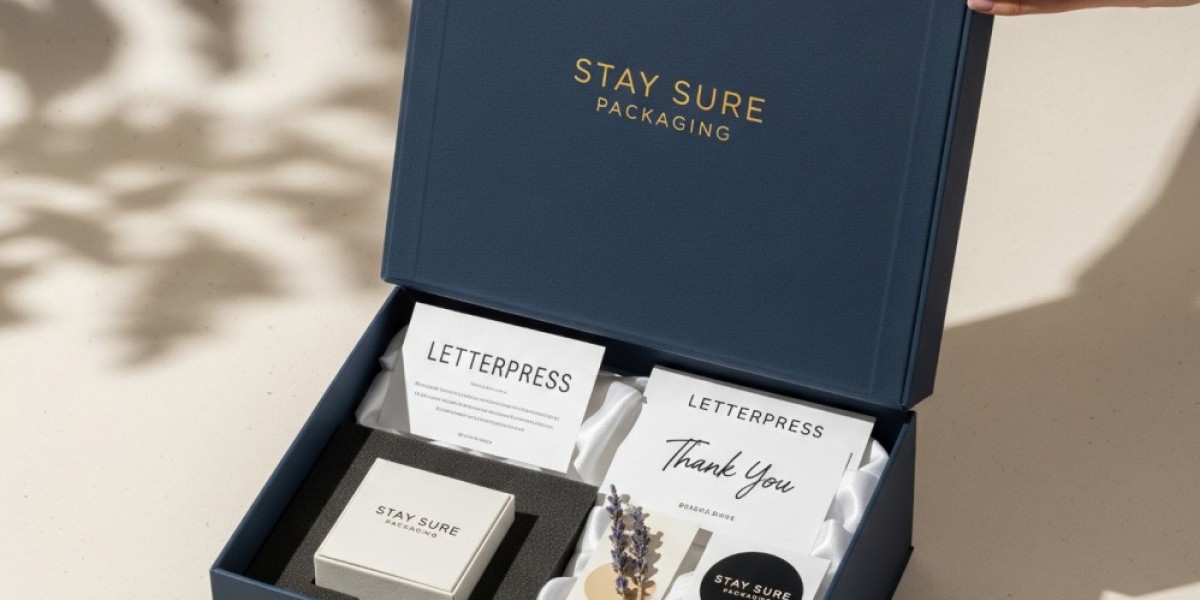

2026 brings a sharp focus on packaging that protects products, cuts costs, and tells a clear, trustworthy story. Brands that pair practicality with thoughtful design will stand out in crowded marketplaces. The right packaging mix can reduce returns, speed up fulfillment, and delight customers on unboxing day.
This guest post covers what’s changing in US e-commerce packaging and how to act now. You’ll find practical steps, real-world examples, and a roadmap you can adapt to your product line.
Brand leaders are rethinking materials, sizes, and labeling. They’re asking for more clarity on sustainability claims and more predictability in costs. The result is packaging that performs, communicates, and lasts beyond the package drop-off.
Sustainable and Circular Packaging with Practicality
Shifting from green claims to measurable impacts helps brands gain trust. Track energy use, water savings, and waste diverted from landfills. Concrete numbers beat vague promises every time.
Materials that align with recycling streams in the US keep products out of the wrong lanes. Recycled content should be traceable, and easy to sort at curbside. Compatibility with common recycling programs matters as much as strength.
Reusable packaging programs fit ecommerce rhythms. Consider returnable bags for subscription boxes or refill-ready totes for frequent purchases. A simple return flow keeps costs manageable and reduces waste.
Lightweight and Space-Efficient Designs
Reducing packaging weight without compromising protection is possible with smart insert solutions and streamlined forms. A compact design can cut material use and shipping density.
Optimizing carton dimensions supports 24/7 fulfillment networks. Align sizes with standard pallet and tote measurements to speed handling. Small gains here compound over high-volume shipments.
Impact on shipping costs and carrier compliance shows up in every KPI. Lighter boxes mean lower postage and fewer surcharge surprises. Make sure labels and warnings stay legible and compliant.
Customization at Scale
Personalization can boost unboxing moments without slowing operations. Use modular graphics that adapt to product families and seasonal themes. The key is repeatable processes that don’t bottleneck production.
Flexible packaging options help with dynamic product assortments. A base carton with removable sleeves or inserts can tell different stories across SKUs. It’s a practical way to offer variety while staying efficient.
Brand storytelling through unboxing experiences adds value. A well-curated interior insert, a thank-you note, or a distinctive opening sequence can create loyalty beyond the product itself.
Smart and Connected Packaging
QR codes and NFC provide authentication and traceability. A quick scan reveals product specs, serial numbers, and authenticity checks. It reassures customers and reduces counterfeit risk.
Inventory and returns integration through packaging data speeds processing. Linking packaging scans to the return workflow shortens cycles and improves accuracy. It also helps brands manage stock more precisely.
Consumer engagement opportunities extend beyond delivery. Augmented experiences or how-to content unlocked via packaging keeps the brand present after the box lands on the doorstep.
Hybrid and Alternative Materials
Post-consumer recycled content adoption rates are rising as brands push for more circular options. Transparency about share and sourcing helps customers trust what they’re buying.
Innovations in biodegradable and compostable options are expanding beyond labels to inner packaging and mailers. Check how these materials perform in real use and how they end their life in typical routines.
Balancing performance, cost, and end-of-life remains a daily trade-off. Run tests for drop, moisture, and stacking while monitoring material availability and price volatility.
E-commerce Returns and Reverse Logistics
Packaging that supports easy returns reduces friction for customers and speeds refunds. Simple, clear instructions on how to reuse or reseal helps customers help you.
Reuse and refurb strategies minimize waste and maximize value. A circle-back program for lightly used boxes can feed stock for secondary channels or discount lines.
Clear disposal guidance for customers lowers confusion at the curb. Provide simple, language-cleared steps on recyclability and local options.
Compliance, Safety, and Labeling
US regulatory updates affect packaging claims, labeling, and material bans. Stay current with agency notices and industry advisories. Proactive updates prevent last-minute scrambles.
Label readability and accessibility requirements matter. Large, high-contrast text and scannable barcodes help both shoppers and warehouse staff. Accessibility means fewer errors and happier customers.
Sustainability reporting and transparency mandates are expanding. Collect data on material composition, recycling rates, and supplier certifications. Use that data to tell a credible, verified story.
Cost Management in a Tightening Economy
Forecasting packaging costs amid supply chain volatility requires scenario planning. Build worst-case, base, and best-case options into budgets. That keeps teams prepared without panic.
Supplier diversification and local sourcing offer resilience. A mix of regional suppliers can reduce lead times and hedge against freight spikes. Local sourcing also supports brand narratives about community and responsibility.
Trade-offs between protection, cost, and experience matter most at the product level. Protect the customer while avoiding over-packaging. Small, deliberate choices add up.
Brand Experience Through Packaging
Unboxing moments strengthen trust and loyalty. Thoughtful interior graphics, tactile finishes, and surprise elements create memorable experiences.
Seasonal and product-launch packaging strategies keep the brand fresh. Limited-time colorways and edition inserts drive interest and repeat visits.
Partnerships with fulfillment providers help maintain consistent quality. Shared standards save time and ensure a cohesive look across channels.
Implementation Roadmap for 2026
Quick wins for Q4 readiness set the pace. Standardize the most common SKUs with a test package that can scale to others.
12-month rollout plan across product lines keeps teams aligned. Phase in materials, printing, and labeling as volumes justify the change.
KPIs measure packaging performance and impact. Track cost per unit, return rate changes, sustainability milestones, and customer feedback.
Real-World Case Studies
Several US brands have rethought packaging to cut waste and save money. Look for examples with measurable results you can adapt to your line.
Lessons learned highlight practical steps, from vendor selection to workflow integration. Translate those learnings into a plan that fits your products and channels.
Conclusion
The path forward for US e-commerce brands involves a balanced mix of sustainability, efficiency, and storytelling. Start small with measurable steps and scale as you learn what moves customers and what saves costs. The moment to begin is now, with a concrete plan you can rally your team around.
For branding needs, consider custom printed boxes that align with your goals and audience.
FAQs
What makes 2026 packaging different for US e-commerce brands?
Shifts in sustainability rules, a focus on measurable impact, and smarter use of space shape decisions. Brands are balancing eco goals with cost and speed.
How can I start reducing packaging waste quickly?
Identify one or two SKUs and test lighter designs and recycled-content materials. Track weight, protection, and returns to ensure the change holds up.
Are reusable packaging programs worth the effort?
They can be, especially for subscription models or high-repeat orders. Start with a simple, easy-to-return system and expand based on data.
What should I know about labeling and safety rules?
Keep text readable, ensure critical warnings aren’t obscured, and stay updated on any new labeling requirements. Clear labeling reduces returns due to non-compliance.
How do I measure the impact of packaging changes?
Track cost per unit, weight, dimensional weight, return rates, and customer feedback on unboxing. Use those metrics to guide future tweaks.