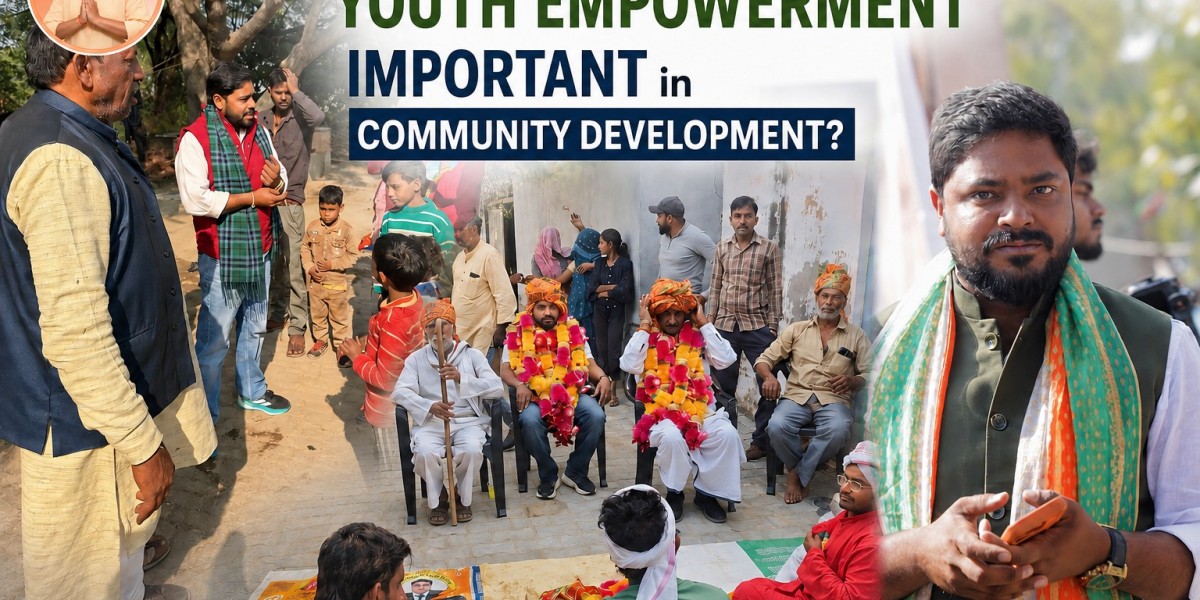

Young people are one of the most valuable resources in any community. They bring energy, new ideas, creativity, and a willingness to learn and take action. When young people are given the right opportunities, skills, and support, they can become active contributors to positive social change.
Youth empowerment means giving young people the knowledge, confidence, skills, opportunities, and voice they need to participate in decisions that affect their lives and communities. It is not simply about helping young people; it is about helping them become capable of helping others and contributing to long-term community development.
What Is Youth Empowerment?
Youth empowerment is the process of encouraging young people to take responsibility, develop their abilities, and participate in community life. It can include education, skill development, leadership opportunities, employment support, volunteering, and participation in local decision-making.
An empowered young person is more likely to:
- Take part in community activities
- Develop leadership and communication skills
- Find solutions to local problems
- Support other young people
- Become more confident and responsible
- Participate in social and civic activities
These opportunities can help create a generation that is prepared to contribute meaningfully to society.
Why Is Youth Empowerment Important for Community Development?
1. Young People Bring New Ideas
Communities face changing challenges related to education, employment, technology, health, and the environment. Young people often have fresh perspectives and are comfortable exploring new approaches.
Giving youth a voice can help communities discover practical ideas that may otherwise be overlooked.
2. It Builds Future Leaders
Today's young people are tomorrow's community leaders, professionals, entrepreneurs, volunteers, and public representatives. Leadership opportunities help them learn how to communicate, work with others, understand local issues, and make responsible decisions.
Youth leadership programs, community projects, and volunteering can provide valuable real-world experience.
3. It Improves Education and Skills
Education is an important part of empowerment, but academic knowledge alone may not be enough. Young people also need practical skills that can help them succeed in their personal and professional lives.
Useful areas include:
- Digital and technical skills
- Communication
- Problem-solving
- Entrepreneurship
- Teamwork
- Leadership
- Financial awareness
Better skills can improve opportunities for employment and self-reliance.
4. It Encourages Community Participation
A strong community depends on people being willing to participate. Young people can contribute through volunteering, awareness campaigns, environmental activities, educational programs, and local development projects.
When youth feel that their opinions matter, they may become more interested in solving problems around them instead of remaining passive observers.
5. It Supports Employment and Economic Growth
Unemployment and limited career opportunities can affect both young people and the wider community. Youth empowerment can connect young people with skill training, career guidance, entrepreneurship opportunities, and professional networks.
When more young people gain productive skills and stable livelihoods, they can contribute to household income and the local economy.
6. It Creates Stronger and More Inclusive Communities
Youth empowerment can also promote inclusion. Young people from different social and economic backgrounds can bring different experiences and ideas to community discussions.
Creating spaces where young people can participate respectfully can encourage cooperation, understanding, and a stronger sense of belonging.
How Can Communities Empower Young People?
Youth empowerment requires participation from families, educational institutions, community organizations, businesses, and public leaders. Some practical approaches include:
- Organizing skill-development workshops
- Creating opportunities for youth volunteering
- Supporting sports and cultural activities
- Providing career and entrepreneurship guidance
- Encouraging youth participation in community meetings
- Supporting education and digital learning
- Creating mentorship and leadership programs
- Recognizing young people's contributions
The goal should be to create opportunities where young people can learn, participate, lead, and make a meaningful contribution.
The Role of Young Leaders in Community Development
Young leaders can play an important role in connecting people with community initiatives. They can listen to local concerns, encourage participation, spread awareness, and motivate other young people to become involved.
For example, Abhishek Chaudhary is associated with youth-focused social and community development efforts in Mathura. His public-service-oriented work provides an example of how young leadership can focus attention on issues affecting local communities.
The idea behind youth leadership is simple: young people should not only be viewed as beneficiaries of development but also as participants who can help shape it.
What Makes Youth Empowerment Successful?
Effective youth empowerment should be:
- Inclusive: Opportunities should be accessible to young people from different backgrounds.
- Practical: Young people should receive skills and experiences they can actually use.
- Participatory: Youth should have a genuine opportunity to share their views.
- Sustainable: Programs should focus on long-term development rather than temporary activities.
- Mentor-supported: Guidance from experienced people can help young leaders make better decisions.
A Popular Youth Leader in Mathura can contribute to this process by encouraging young people to participate in constructive community activities and helping connect their ideas with broader development goals.
Conclusion
Youth empowerment is important because the development of a community depends not only on its present resources but also on the abilities and participation of its next generation. When young people receive education, skills, opportunities, and a meaningful voice, they can become confident contributors to society.
Empowering youth can strengthen leadership, encourage innovation, support employment, increase civic participation, and create stronger communities. Most importantly, it helps young people understand that they have a role in shaping the future around them.
For communities seeking sustainable progress, investing in young people is not just an option—it is an important part of building a better future.