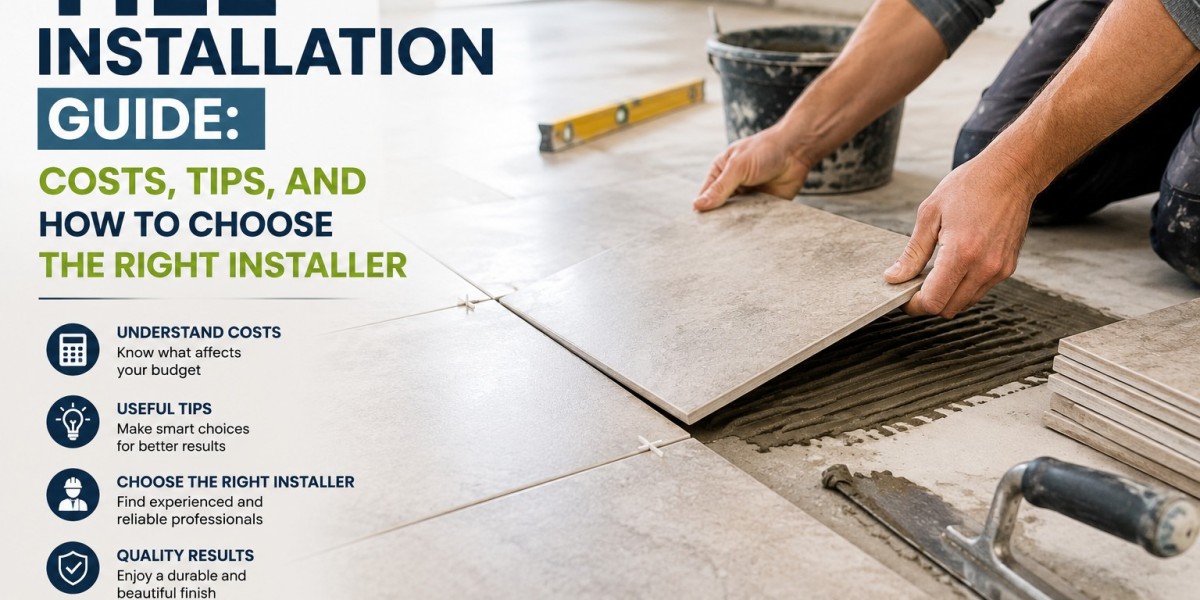

Choosing the right flooring or wall finish can make a major difference in how a room looks and functions. Tiles are popular because they are durable, easy to maintain, and available in countless colours, sizes, and patterns. Whether you are updating a bathroom, kitchen, entryway, or another part of your home, proper planning can help you avoid expensive mistakes.
Understanding Tile Installation Cost
One of the first things homeowners want to know is tile installation cost. The final price can vary considerably depending on the size of the area, type of tile, condition of the surface, layout, and labour involved. A simple room with a straightforward layout will generally require less work than a space with complicated patterns, many corners, or extensive surface preparation.
Before accepting a quote, ask what is included. Some estimates cover only labour, while others may include preparation, adhesive, grout, removal of old flooring, and cleanup.
Factors That Can Affect Your Budget
Several things can influence the overall price:
- Tile material: Ceramic, porcelain, natural stone, and specialty tiles have different price ranges.
- Room size: Larger areas require more materials and labour.
- Surface condition: Uneven or damaged surfaces may need preparation before installation.
- Tile pattern: Straight layouts are usually simpler than intricate designs.
- Removal work: Removing existing flooring can add time and disposal costs.
- Location: Labour rates can vary between cities and regions.
Getting a detailed estimate before work begins makes it easier to understand where your money is going.
How to Choose the Right Tile for Your Home
The best tile is not necessarily the most expensive one. It should suit the room, your lifestyle, and the amount of maintenance you are willing to handle.
For bathrooms and kitchens, homeowners often look for surfaces that can handle moisture and regular cleaning. For entryways and busy areas, durability and resistance to everyday wear may be more important.
Think about these factors before purchasing:
- Where will the tile be installed?
- How much traffic will the area receive?
- Will the surface regularly come into contact with water?
- How much maintenance are you comfortable doing?
- Does the colour and pattern complement the rest of your home?
It is also a good idea to purchase enough tile to account for cuts and future repairs. Keeping a few spare pieces can be helpful if a tile becomes cracked or damaged later.
Why Professional Installation Matters
Good-quality tile can still look disappointing if it is installed poorly. Uneven spacing, inconsistent grout lines, loose tiles, and improper surface preparation can affect both appearance and durability.
A professional installer understands how to prepare different surfaces and plan the layout before adhesive is applied. They can also identify potential problems that may not be obvious to a homeowner.
Professional installation can be especially valuable when working with:
- Large-format tiles
- Detailed patterns
- Uneven surfaces
- Bathrooms and wet areas
- Stairs or unusual layouts
- Multiple tile types in one room
The goal is not simply to put tiles on a surface. The installation needs to create a stable, level, and visually consistent finish.
What to Look for in a Tile Installer
Finding a reliable professional is just as important as choosing the right tile. If you are searching for tile installers near me, avoid choosing someone based only on the lowest advertised price.
Instead, take some time to compare potential contractors.
Check These Things Before Hiring
- Previous work: Ask to see examples of completed projects.
- Experience: Find out how long they have been installing tile.
- Reviews: Look for consistent feedback from previous customers.
- Detailed quotes: Make sure the estimate explains the work involved.
- Communication: A good installer should answer your questions clearly.
- Preparation: Ask how they plan to prepare the surface.
- Timeline: Confirm when the project can start and approximately how long it will take.
A professional should be comfortable discussing your project rather than rushing you into a decision.
Questions to Ask Before Work Begins
Even after you find a potential tile installer, it is worth asking a few practical questions before signing an agreement.
For example:
- Will you remove my existing flooring?
- Does the quote include surface preparation?
- Who supplies the tile and installation materials?
- How will you handle uneven areas?
- What type of grout will you use?
- How long should I stay off the newly installed surface?
- How will leftover materials and debris be handled?
Clear answers can prevent misunderstandings later.
Common Tile Installation Mistakes to Avoid
Some problems happen because homeowners focus heavily on the appearance of the tile while overlooking the installation process.
1. Skipping Surface Preparation
Tiles need a suitable surface. Installing them over an unstable or uneven base can lead to cracks, movement, or loose tiles.
2. Buying the Wrong Amount
Running out of tile halfway through a project can create unnecessary delays. Buying a little extra is generally sensible, particularly when the tile has a specific colour or pattern.
3. Ignoring the Layout
A tile layout should be planned before installation starts. Poor planning can leave awkwardly small pieces around walls, cabinets, or doorways.
4. Choosing Appearance Over Function
A beautiful tile may not be the best choice for every room. Consider moisture, traffic, cleaning, and durability before making the final decision.
5. Choosing Solely by Price
The cheapest quote does not always provide the best value. An inexperienced installer may save you money initially but create problems that cost more to correct later.
How to Prepare Your Home for Installation
A little preparation can make the installation process smoother. Remove furniture and personal belongings from the work area whenever possible. If the project involves a kitchen or bathroom, discuss how the work may affect your daily routine.
You should also confirm:
- Where materials will be delivered
- Where waste will be placed
- Whether nearby rooms need protection
- How long the area will be unavailable
- Whether plumbing fixtures or cabinets need temporary removal
Discussing these details beforehand helps everyone understand what to expect.
Final Thoughts for Homeowners
A successful tile project comes down to three things: choosing suitable materials, preparing the surface properly, and working with someone who understands the installation process. Taking time to compare professionals and understand the quote can save you from unnecessary repairs later.
Before hiring a contractor, compare their experience, previous work, communication, and overall approach—not just the tile installation cost. With proper planning and professional ceramic tile installation, you can achieve a durable and attractive finish that complements your home for years.