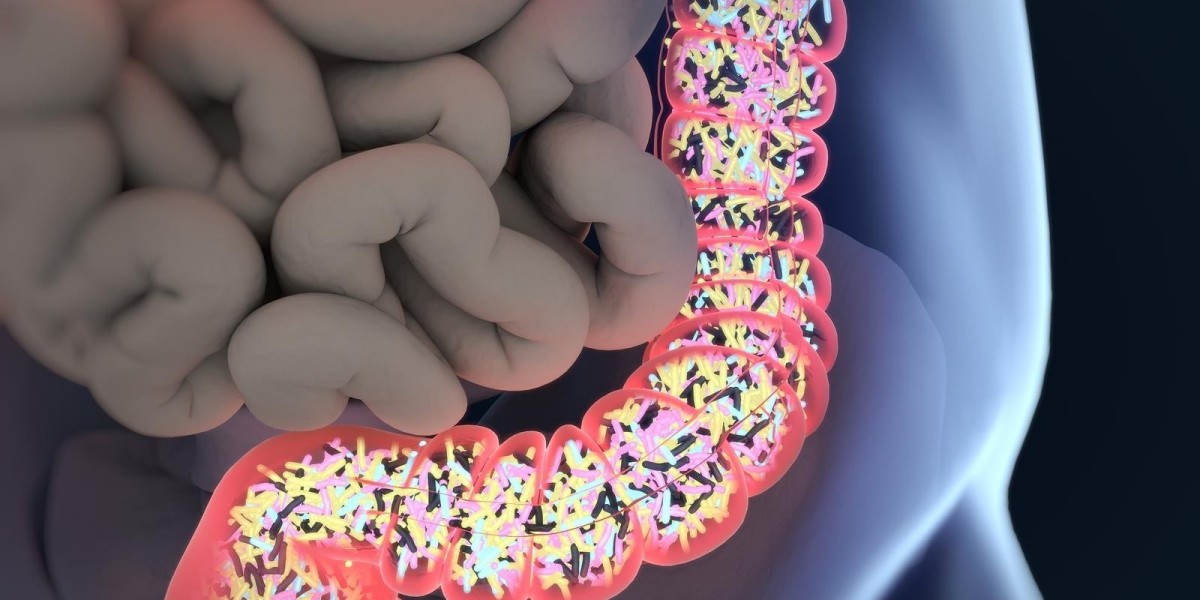

A Gut Microbiome Test can provide information about microorganisms found in the digestive tract and may help you understand more about your gut microbiota. In Dubai, people interested in personalized wellness are exploring microbiome testing to learn more about digestive health, nutrition, and everyday factors that may affect the gut environment.
Blood test in Dubai is a separate type of health assessment that examines blood samples for different health markers. A microbiome test generally examines a stool sample to characterize microorganisms in the digestive tract. These tests have different purposes, so one should not be used as a replacement for the other.
Understanding Your Gut Microbiome
The gut microbiome consists of a large community of microorganisms living in the digestive system. These include many different types of bacteria and other microbes that exist together within the intestinal environment.
Every individual has a unique microbiome. Its composition can be influenced by diet, age, medications, lifestyle, environment, and other factors. The microbiome can also change over time, meaning that the results of a test represent a snapshot of the gut environment at a particular point.
Understanding this complexity is important when considering microbiome testing. A report can provide information, but it does not necessarily explain every aspect of digestive health.
How Does a Gut Microbiome Test Work?
A Gut Microbiome Test commonly requires a stool sample. The sample is collected according to the laboratory's instructions and then analyzed using a specific testing method.
Depending on the provider, the analysis may examine the types and relative amounts of microorganisms detected in the sample. Some reports may also provide information about microbial diversity or particular bacterial groups.
Because laboratories can use different technologies and reporting methods, results may vary between providers. Reading the test description carefully can help you understand what the assessment actually measures.
What Can the Results Show?
Microbiome testing may provide an overview of microorganisms detected in a stool sample. Some reports can describe the relative abundance of certain bacteria or provide information about the overall microbial community.
These findings can be useful for increasing awareness of gut health and may provide topics for discussion with a healthcare or nutrition professional.
However, it is important not to assume that a particular bacterial level automatically means that something is wrong. The relationship between individual microorganisms and health is complex, and scientific research is still developing.
Gut Bacteria and Digestive Wellness
Gut bacteria are an important part of the digestive environment. They interact with food components and with other microorganisms within the gastrointestinal tract.
People often describe certain bacteria as "good" or "bad," but the microbiome cannot always be divided into these simple categories. The effects of microorganisms can depend on their surrounding environment and interactions with other microbes.
A healthier approach is to consider the overall microbial community together with diet, lifestyle, symptoms, and other relevant health information.
Nutrition and a Healthy Gut
Diet is one of the factors that can influence the gut microbiome. A varied eating pattern can provide different nutrients and sources of dietary fiber that interact with microorganisms in the digestive system.
Fiber-rich foods are commonly associated with digestive wellness because certain gut microorganisms can use some types of fiber. Fruits, vegetables, whole grains, legumes, nuts, and seeds can contribute to a balanced diet when they are appropriate for an individual's nutritional needs.
There is no single diet that guarantees an ideal microbiome for everyone. Dietary choices should be personalized according to health needs, preferences, and tolerance.
The Role of Probiotics and Prebiotics
Probiotics and prebiotics are frequently discussed when people talk about gut health. Probiotics are live microorganisms found in certain foods and supplements, while prebiotics are substances that can be used by certain microorganisms.
Their effects can vary from person to person, and not every product is appropriate for everyone. A microbiome test should not automatically be used as a reason to start multiple supplements.
If you are considering probiotic or prebiotic products, professional nutritional or medical advice can help you choose an appropriate approach.
Lifestyle Habits That Support Gut Health
The gut microbiome can be influenced by more than food. Sleep, physical activity, stress, medication use, and other lifestyle factors may also affect the digestive environment.
Maintaining regular physical activity, getting sufficient rest, staying hydrated, and following sustainable daily routines can support general wellbeing. Managing stress may also be helpful because digestive health and overall wellbeing are closely connected.
These habits should be viewed as part of an overall healthy lifestyle rather than as guaranteed ways to change a particular microbiome result.
Who May Consider Microbiome Testing?
A person who is curious about their gut microbiota may consider a Gut Microbiome Test as part of a broader wellness plan. It may also be useful for people who want additional information to discuss with a qualified healthcare or nutrition professional.
However, testing is not essential for everyone. A commercial microbiome test should not replace medical evaluation when someone has persistent or concerning symptoms.
Important Limitations to Know
Microbiome testing has several limitations. Different providers may use different laboratory technologies, reference data, and interpretation methods. This means that reports from different companies may not be directly comparable.
Another limitation is that scientists are still learning exactly how individual microorganisms relate to health. Finding a particular organism does not necessarily mean it is causing a problem, and not finding one does not automatically mean that your gut is unhealthy.
For this reason, microbiome results should be interpreted carefully and within the context of your overall health.
When to Talk to a Healthcare Professional
If you experience persistent digestive discomfort, unexplained changes in bowel habits, blood in your stool, significant unexplained weight changes, or other concerning symptoms, speak with a healthcare professional.
Depending on your situation, a professional may recommend appropriate diagnostic assessments. These could include blood work, stool testing, imaging, or other evaluations. The right approach depends on your symptoms and medical history.
Final Thoughts
A Gut Microbiome Test can provide a snapshot of the microorganisms found in your digestive tract and may help you become more informed about gut bacteria, nutrition, and digestive wellness. However, the results should not be treated as a complete measure of health or as a standalone diagnosis. Combining responsible interpretation with balanced nutrition, healthy lifestyle habits, and professional guidance when appropriate can help you take a practical approach toward maintaining a healthier gut.