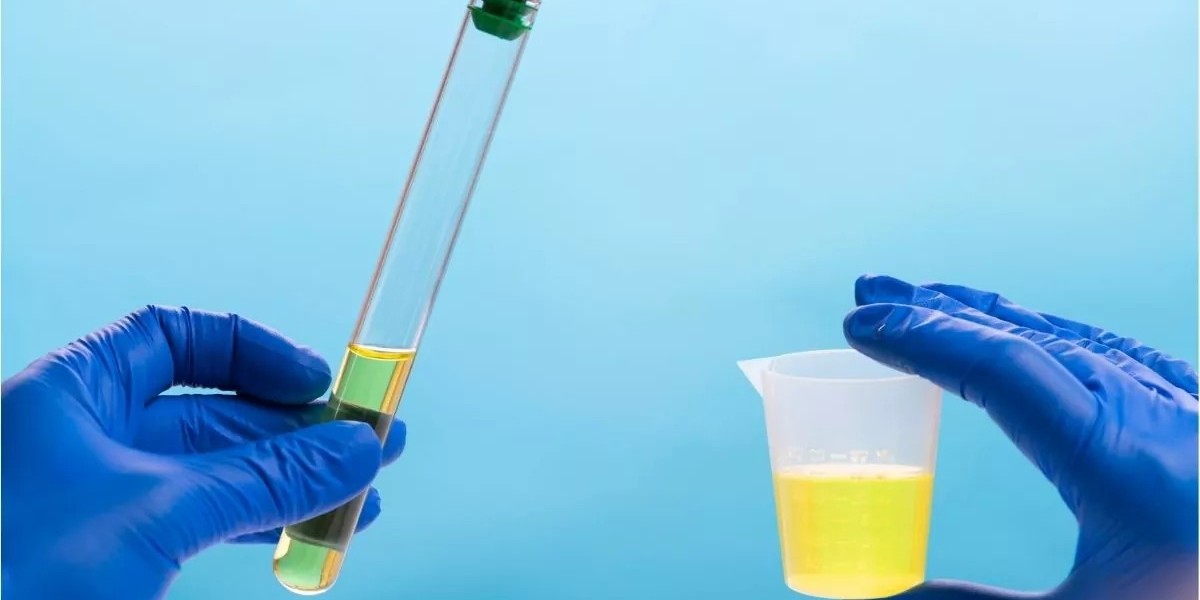

A routine health check is not only about measuring blood pressure, weight, or blood glucose. Your urine can also provide valuable clues about what is happening inside your body. A Urine Analysis in Dubai, commonly called a urinalysis, is a simple laboratory examination that can help healthcare professionals identify signs of urinary tract problems, kidney disease, diabetes, dehydration, and other health concerns.
Because urine contains waste products filtered by the kidneys, changes in its composition can sometimes provide an early signal that further evaluation is needed. A routine urinalysis does not diagnose every disease, but it can be a useful part of preventive healthcare when it is medically appropriate.
Understanding what this test checks and why doctors may recommend it can help you make better sense of your routine health screening.
Why Urine Is Useful for Monitoring Health?
Your kidneys continuously filter your blood and remove waste products and excess substances through urine. The final urine sample therefore contains information about the body's fluid balance and the way the urinary system is functioning.
A urinalysis can examine three broad areas:
The physical appearance of urine
Its chemical composition
Microscopic components within the sample
Together, these observations can give a healthcare professional a broader picture of your health.
An abnormal finding does not necessarily mean that you have a disease. Temporary changes can occur because of hydration, exercise, medications, diet, illness, or sample contamination. Results must be interpreted in context.
What a Routine Urinalysis Can Reveal?
A standard urine analysis may provide information about several important health markers.
Protein in Urine:
Healthy kidneys generally prevent significant amounts of protein from passing into urine.
When protein is repeatedly detected, it may be a reason to evaluate kidney health more closely. Persistent proteinuria can occur with kidney disease and other medical conditions.
A healthcare provider may order a urine albumin-to-creatinine ratio or another quantitative urine test when more precise measurement is necessary.
Blood in Urine:
Blood detected in urine may be visible or microscopic.
Possible causes include urinary tract infections, kidney stones, strenuous exercise, certain medications, and other urinary or kidney conditions.
A positive urine blood result does not identify the cause by itself. Persistent hematuria may require additional evaluation.
Glucose:
Normally, very little glucose is present in urine.
Glucose in urine can occur when blood glucose levels are elevated, although urine glucose alone cannot diagnose diabetes.
If glucose is detected, your healthcare provider may consider blood glucose testing and your overall risk factors.
Ketones:
Ketones are produced when the body uses fat as an energy source.
They can appear during fasting, prolonged exercise, reduced food intake, dehydration, or certain metabolic conditions.
The meaning of ketones depends on the person's symptoms and the amount detected.
White Blood Cells:
White blood cells in urine can be associated with inflammation or infection in the urinary tract.
They may occur with symptoms such as burning during urination, frequent urination, urgency, or pelvic discomfort.
However, contamination can also introduce white blood cells into a specimen, so the result must be interpreted carefully.
Nitrites and Leukocyte Esterase:
These chemical markers can provide clues about a possible urinary tract infection.
Certain bacteria can convert nitrates into nitrites, while leukocyte esterase is associated with white blood cells.
When infection is suspected, a urine culture may be ordered to identify bacterial growth and provide more specific information.
Understanding Urine Concentration:
One of the useful measurements in a urinalysis is specific gravity.
Specific gravity provides an estimate of how concentrated the urine is.
Drinking a large amount of water can make urine more dilute, while dehydration can make it more concentrated.
A single specific gravity result usually does not establish a diagnosis. Healthcare professionals interpret it alongside fluid intake, symptoms, kidney-related tests, and other urinalysis findings.
This is one reason maintaining normal hydration before a routine urine test is generally preferable to deliberately drinking excessive amounts of water.
What Urine pH Can Tell You?
Urine pH measures how acidic or alkaline the urine is.
Diet, medications, metabolic factors, and certain urinary infections can influence urine pH.
The pH level can also affect the formation of some types of urinary crystals.
An unusual urine pH does not automatically mean that something is wrong. Doctors consider it together with other laboratory findings and the reason the test was ordered.
Microscopic Examination Adds Another Layer:
Some urine samples undergo microscopic examination.
A laboratory professional may look for:
Red blood cells
White blood cells
Bacteria
Epithelial cells
Crystals
Urinary casts
Yeast or other microscopic material
This examination can provide additional information when the dipstick test shows an abnormality or when the healthcare provider specifically requests microscopy.
For example, urinary casts can provide clues about processes occurring within the kidneys, while crystals may sometimes be associated with conditions that increase the risk of kidney stones.
Why Urinalysis Can Be Useful in Routine Health Checks?
The value of a urine analysis depends on the individual and the reason for testing.
For someone with urinary symptoms, diabetes risk, kidney concerns, or certain medical conditions, urine testing may provide useful information.
It can also help investigate unexplained symptoms such as changes in urination, swelling, unusual urine appearance, or persistent fatigue when combined with other appropriate assessments.
However, a routine urinalysis is not automatically necessary for every healthy person at every checkup. Preventive testing should be based on individual circumstances and the recommendations of a qualified healthcare professional.
Urinalysis and Kidney Health:
The kidneys play a central role in filtering waste and maintaining fluid and electrolyte balance.
Urine testing can sometimes identify markers associated with kidney problems before symptoms become obvious.
Protein or albumin in urine is particularly important because persistent urinary albumin loss can be associated with kidney damage.
Doctors may combine urine testing with blood measurements such as creatinine and estimated glomerular filtration rate (eGFR) to assess kidney function more comprehensively.
Urinalysis therefore complements, rather than replaces, blood-based kidney function testing.
Urinalysis and Diabetes Screening:
Urine testing can provide clues about metabolic health, but it is not a substitute for appropriate blood glucose testing.
Glucose or ketones in urine may prompt additional investigation depending on the clinical situation.
For people at risk of diabetes, healthcare professionals may use blood glucose measurements or an HbA1c test to assess long-term blood sugar control.
The urine result is one piece of information within the larger health assessment.
How to Prepare for a Routine Urine Test?
Preparation is usually simple.
A standard urinalysis generally does not require fasting. Unless your healthcare provider gives you different instructions, you can usually maintain your normal eating and drinking routine.
You may be asked to provide a clean-catch midstream urine sample. This collection method reduces the likelihood of contamination from skin cells or bacteria around the genital area.
Follow the laboratory's instructions carefully and use the sterile container provided.
Tell your healthcare professional about medications, supplements, menstruation, recent strenuous exercise, or other factors that could potentially affect interpretation.
What Can Affect Urinalysis Results?
Urine composition changes naturally, so several everyday factors can influence laboratory findings.
Hydration:
Excessive fluid intake can dilute urine, while dehydration can concentrate it.
Exercise:
Strenuous exercise may temporarily increase protein or blood in urine.
Medications:
Some medicines can change urine color or influence certain measurements.
Diet:
Food intake can affect urine pH, concentration, and the presence of some substances.
Menstruation:
Menstrual blood can contaminate a urine sample and affect blood-related findings.
Sample Contamination:
Poor collection technique can introduce bacteria, epithelial cells, or other external material.
These factors are why an abnormal result is not automatically evidence of disease.
What Happens After an Abnormal Result?
Your healthcare provider will consider the specific abnormality and your overall clinical picture.
Sometimes the appropriate next step is simply repeating the urine test using a properly collected specimen.
Other situations may require additional testing.
For example, suspected infection may lead to a urine culture. Persistent protein may lead to albumin or protein measurement. Repeated blood in urine may require further urinary tract assessment.
If kidney disease is suspected, blood tests and sometimes imaging may also be considered.
The follow-up depends on the individual finding rather than the urinalysis result alone.
How Often Should You Have a Urinalysis?
There is no universal schedule for everyone.
The need for urine testing depends on factors such as age, symptoms, existing health conditions, medications, pregnancy, kidney health, diabetes risk, and the recommendations of your healthcare professional.
Some people may need regular monitoring, while others may only need urine testing when symptoms or specific risk factors are present.
Routine health screening should be individualized rather than based on a one-size-fits-all testing schedule.
Questions People Commonly Ask:
Is a urine analysis part of a routine checkup?
It may be, depending on the healthcare facility and the individual's health needs. A routine urinalysis can be useful when there is a clinical reason to evaluate urinary, kidney, or metabolic health.
Can a urine test detect kidney disease?
Urinalysis can identify findings such as protein or blood that may be associated with kidney problems. However, additional blood tests and other investigations may be needed to determine kidney function and the underlying cause.
Does a urine analysis detect diabetes?
A urinalysis may detect glucose or ketones, but it is not the primary diagnostic test for diabetes. Blood glucose testing and HbA1c are commonly used for diabetes evaluation.
Can a urine test detect a UTI?
Urinalysis can show findings that suggest a urinary tract infection, including white blood cells, leukocyte esterase, nitrites, and bacteria. A urine culture may be needed for confirmation and to guide treatment.
Do I need to fast before a urine analysis?
A routine urinalysis generally does not require fasting. If your appointment includes blood tests with fasting requirements, follow the instructions provided by your healthcare provider.
Is morning urine better for routine testing?
Not necessarily. Some tests specifically require a first-morning sample, while others can use a random urine specimen. Follow the collection instructions for the test being performed.
Final Takeaway:
A urine analysis Lab tests for routine health checks can provide useful information about the urinary system, kidneys, hydration, metabolism, and possible infection. By examining substances such as protein, blood, glucose, ketones, white blood cells, nitrites, and other urinary components, healthcare professionals can identify findings that may deserve further attention.
However, urinalysis is best viewed as one part of a complete health assessment. An abnormal result does not automatically mean you have a serious condition, and a normal result cannot rule out every possible health problem.
Proper sample collection, normal hydration, and accurate information about medications and other relevant factors can improve the usefulness of the test. If an abnormal finding appears, your healthcare provider can determine whether it is temporary, requires repeat testing, or calls for additional evaluation.
Used appropriately, urine analysis is a convenient and informative laboratory tool that can support preventive healthcare and help doctors decide when a closer look at your health may be necessary.