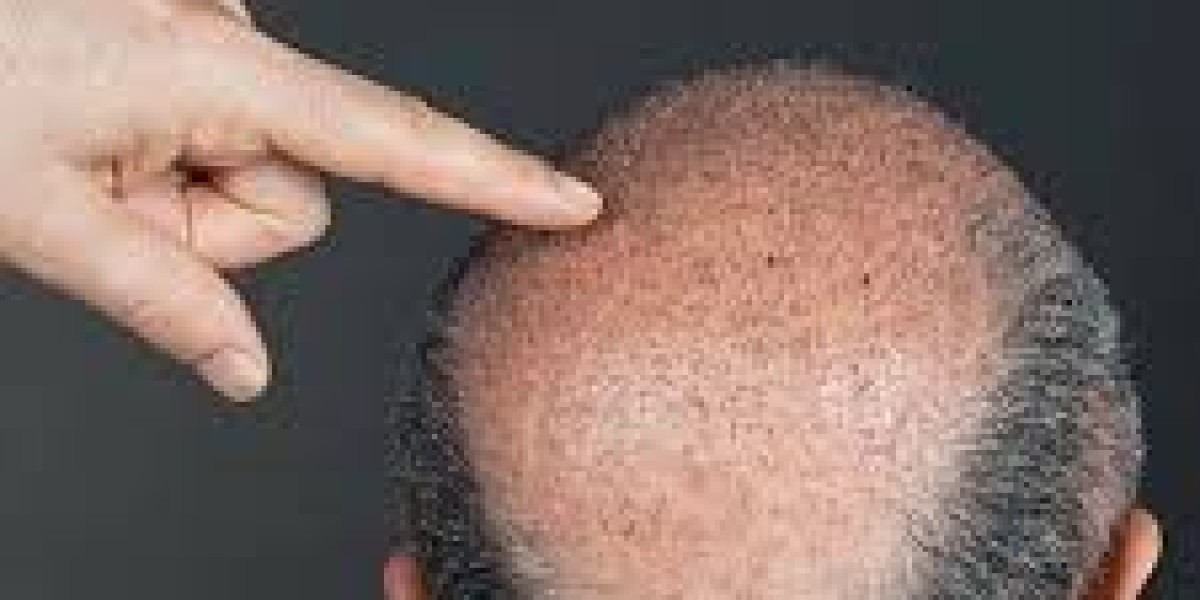

Hair loss can affect confidence, appearance, and everyday life. For people considering Hair Transplant in Dubai, one of the most important questions is whether the results will last permanently. The short answer is that transplanted hair is generally considered long-lasting and resistant to the hormone-related miniaturization that causes common pattern hair loss, but this does not mean every hair on the scalp will remain unchanged forever.
Understanding how transplanted follicles behave, what happens to existing hair, and which factors influence long-term results can help you make a more informed decision.
What Makes a Hair Transplant Long-Lasting?
A hair transplant involves moving healthy hair follicles from a donor area to areas affected by thinning or baldness. Techniques such as FUE (Follicular Unit Extraction) carefully extract individual follicular units and place them into areas where additional density is needed.
The donor follicles are typically selected because they have stronger resistance to the effects of androgenetic hair loss. Once successfully transplanted and established in their new location, these follicles can continue producing hair for many years.
However, the permanence of the result depends on several factors, including the quality of the donor hair, the progression of hair loss, the treatment technique, and the overall health of the follicles.
Does Transplanted Hair Fall Out?
It is normal to experience some shedding after a hair transplant. This is often part of the natural recovery process and is sometimes referred to as shock loss or postoperative shedding.
The transplanted follicles themselves remain beneath the skin even when the visible hair shaft temporarily falls out. New growth usually develops gradually as the follicles enter their normal growth cycle.
Patients should therefore avoid judging their final outcome during the first few weeks or months. Hair restoration is a gradual process, and visible improvement generally develops over several months.
How Long Do Hair Transplant Results Last?
The transplanted follicles can provide long-term hair growth, but individual results vary. New hair commonly becomes progressively more noticeable during the months following treatment, while the final appearance can take considerably longer to mature.
Several stages are involved:
Early Recovery
During the first few weeks, redness, sensitivity, scabbing, or temporary shedding may occur. Following post-treatment instructions is important during this stage.
Initial Growth
New hairs may begin appearing after several months. At first, they can look fine or uneven as they gradually develop.
Maturation
Over time, transplanted hair typically becomes thicker and more natural-looking. The overall improvement continues as the hair cycles mature.
Because hair growth differs from person to person, realistic expectations are essential.
Can You Still Lose Your Existing Hair?
Yes. This is one of the most important points to understand before undergoing a hair transplant.
A transplant replaces hair in areas that have experienced loss, but it does not necessarily stop future thinning of untreated hair. Existing native hair surrounding the transplanted area may continue to become thinner if the underlying hair-loss condition progresses.
This can sometimes create an uneven appearance over time.
For this reason, a good treatment plan should consider not only the bald or thinning area but also the patient's current hair density, donor supply, hair-loss pattern, and potential future progression.
What Factors Affect Long-Term Hair Transplant Results?
Several factors can influence the durability and appearance of the outcome.
Donor Hair Quality
A strong donor area provides a valuable source of healthy follicles. The density and characteristics of donor hair influence how much coverage can realistically be achieved.
Hair-Loss Pattern
Understanding the likely progression of hair loss is important when designing a transplant. A conservative and strategic approach can help preserve a natural-looking hairline over time.
Surgical Technique
The extraction and implantation process should be carefully planned to minimize unnecessary trauma to follicles. Proper handling can support successful graft survival.
Aftercare
Following postoperative instructions helps protect the treated area during recovery. Patients should carefully follow guidance regarding washing, physical activity, sun exposure, and other activities.
Individual Biology
Healing, hair-growth cycles, age, genetics, and general health can all influence the final appearance and timing of results.
FUE Hair Transplant and Long-Term Results
FUE hair transplant is widely used for hair restoration because individual follicular units are extracted from the donor area and transplanted to areas requiring additional coverage.
When suitable follicles are carefully selected and properly transplanted, the resulting hair can provide long-term improvement. However, FUE does not prevent future loss of untreated native hair.
The goal is therefore not simply to add hair today but to create a result that remains aesthetically balanced as the patient's hair changes over time.
Is Hair Transplant Right for Everyone?
Not everyone experiencing hair loss is an ideal candidate for transplantation. The cause of hair loss, donor density, age, pattern of thinning, expectations, and overall suitability should be assessed before treatment.
A professional consultation can help determine whether transplantation is appropriate and whether additional strategies may be useful for maintaining existing hair.
Hair Transplant at Tajmeels Clinic
For individuals exploring hair transplant in Dubai, Tajmeels clinic can be considered as part of the consultation process. A personalized assessment can help evaluate the pattern of hair loss, donor area, expected coverage, and suitable restoration approach. Understanding these factors before treatment is important for developing realistic expectations about long-term results.
Frequently Asked Questions
Is a hair transplant truly permanent?
Transplanted follicles are generally resistant to common pattern hair loss and can continue growing for many years. However, results vary, and surrounding native hair may continue thinning.
When will I see the final hair transplant results?
Hair growth develops gradually. Initial changes may appear within several months, while fuller maturation can take longer.
Can transplanted hair become thin?
Transplanted hair is generally more resistant to pattern hair loss, but individual characteristics vary. Proper assessment is important when discussing expected longevity.
Can hair loss continue after a transplant?
Yes. Untreated native hair can continue to thin depending on the underlying cause and progression of hair loss.
Conclusion
So, is hair transplant permanent? In many cases, transplanted follicles can provide long-lasting hair growth because they are selected for their greater resistance to pattern hair loss. Nevertheless, permanence should not be interpreted as a guarantee that every hair will remain unchanged forever.
The best long-term results come from careful candidate assessment, appropriate donor-hair selection, thoughtful treatment planning, skilled follicular handling, and realistic expectations. If you are considering hair transplant in Dubai, a professional consultation can help you understand your individual situation and determine the most suitable approach.
More Information
Tajmeels Clinic Dubai
WhatsApp: +971 56 203 8751
Phone: tel:+971 43739000
Social Media: