
Introduction
Losing someone important can be one of the most difficult experiences a family faces. During such a time, people often look for a meaningful way to remember the person, share memories, and bring family and friends together. A celebration life memorial provides an opportunity to honor someone by focusing not only on their passing, but also on the experiences, relationships, values, and moments that made their life special.
Unlike a traditional funeral service, a celebration of life can be highly personal and flexible. Families can choose an atmosphere, location, activities, readings, music, photographs, and stories that genuinely reflect the personality of their loved one. The goal is to create a gathering where people can remember, connect, and support one another.
What Is a Celebration of Life Memorial?
A celebration of life memorial is a gathering held to honor and remember someone who has died. It may take place shortly after the person's death or weeks or months later, depending on the family's circumstances and preferences.
The event can be formal or informal. Some families choose a traditional venue, while others prefer a garden, community center, family home, or another location that had special meaning to the person being remembered.
The focus is generally on remembering the person's life and the impact they had on others. Stories, photographs, favorite activities, personal achievements, and meaningful relationships can all become part of the gathering.
How Is It Different From a Traditional Funeral?
A traditional funeral often follows a more established structure, while a celebration of life generally offers greater flexibility. There is no single format that every family must follow.
For example, a family might organize a short welcome, invite several people to share memories, display photographs, and finish with a private gathering for refreshments. Another family might organize an outdoor event centered around a favorite hobby or community activity.
The most important difference is that the ceremony can be shaped around the individual rather than following a fixed template.
Choosing a Meaningful Location
The location can influence the atmosphere of the memorial. Think about places that were meaningful to the person or comfortable for the people attending.
A peaceful garden may work well for someone who enjoyed nature. A community hall can provide space for larger gatherings, while a family home may create a more intimate environment.
Accessibility should also be considered. If older relatives or guests with mobility challenges are attending, choose a location with convenient parking, seating, entrances, and restroom facilities.
Personalizing the Memorial
Personal details can transform a simple gathering into a memorable tribute. Consider displaying photographs from different stages of the person's life.
You could also create a memory table containing meaningful objects, such as books, artwork, awards, sports equipment, travel souvenirs, or other items connected to their interests.
A memory book can give guests an opportunity to write down personal messages and stories. These written memories can later become a treasured keepsake for the family.
Sharing Stories and Memories
Stories are often one of the most meaningful parts of a memorial. They allow family members and friends to describe experiences that demonstrate who the person really was.
Instead of focusing only on major accomplishments, consider including ordinary moments as well. A funny family tradition, a memorable holiday, a favorite saying, or a simple act of kindness can reveal a person's character.
Not everyone will feel comfortable speaking publicly, so participation should always be voluntary. Someone can read a message on another person's behalf, or written memories can be displayed for guests to read privately.
Music and Readings
Music can help establish the atmosphere of a memorial. Families may choose songs that the person enjoyed or pieces that remind people of particular moments.
Readings can also be included. These might come from literature, poetry, religious texts, or personal letters, depending on the family's beliefs and preferences.
There is no requirement to follow a particular format. The choices should feel appropriate for the person and the people gathering to remember them.
Creating a Memory Display
A visual display can give guests an opportunity to explore different parts of someone's life. Arrange photographs chronologically or group them around themes such as family, friendships, travel, hobbies, education, or work.
If photographs are unavailable, other memorial vs celebration of life meaningful items can be used instead. A collection of handwritten notes, artwork, certificates, or personal belongings may tell an equally powerful story.
Digital photo slideshows can also be used if the venue has suitable equipment.
Including Family and Friends
A memorial can become more meaningful when different people have opportunities to participate. Family members might welcome guests, while friends can share stories or help prepare photographs and displays.
Children and younger relatives can participate in age-appropriate ways, such as drawing pictures, writing memories, or helping create a memory board.
Giving people a role can also help them feel connected to the process of remembering someone they cared about.
Food and Refreshments
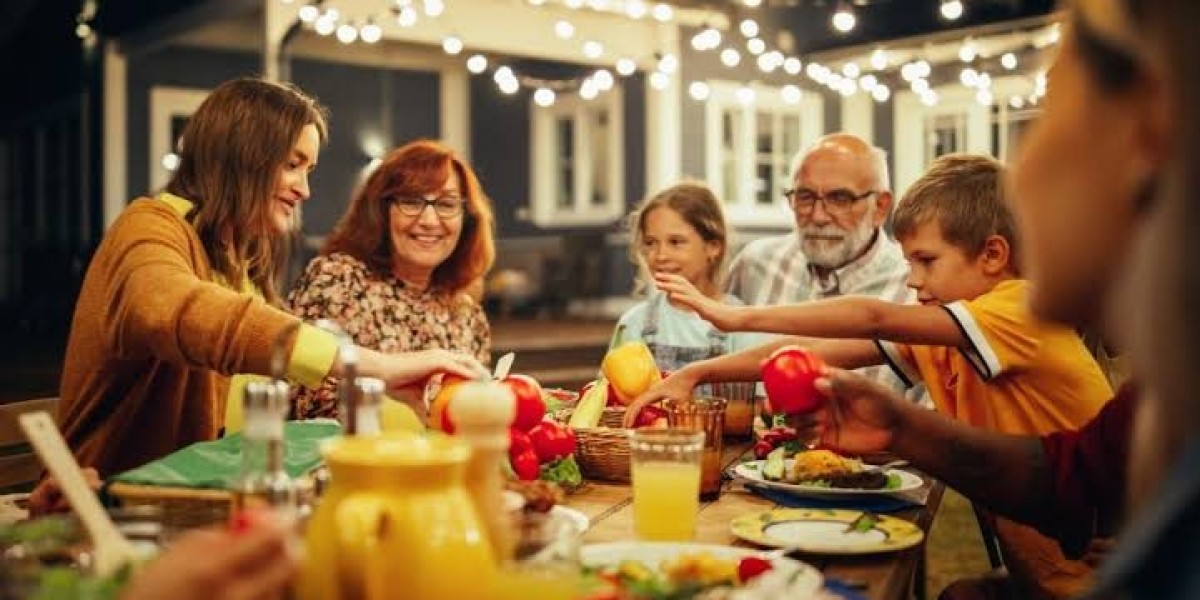
Sharing food can provide a natural opportunity for guests to talk and spend time together after the formal portion of the memorial.
The menu does not need to be elaborate. Favorite foods associated with the person can make the gathering more personal. For example, families might serve a favorite dessert, traditional family recipe, or simple refreshments.
The purpose is not the food itself, but the opportunity to gather and share memories in a comfortable environment.
Supporting Guests Emotionally
Grief affects everyone differently. Some guests may want to talk, while others may prefer quiet reflection. A meaningful memorial should allow space for both.
Avoid putting pressure on people to speak, participate, or express their emotions in a particular way. Simply providing a welcoming environment can be valuable.
It can also be helpful to provide a quiet area where guests can take a moment away from the main gathering if they need some privacy.
Final Thoughts
A celebration life memorial offers families a flexible way to honor someone by remembering the life they lived and the relationships they created. Through photographs, stories, music, meaningful locations, personal belongings, and shared memories, the gathering can reflect what made that individual unique.
There is no perfect formula for creating a memorial. Every person and family is different, and the most meaningful tribute is one that feels genuine.
Whether the gathering is small and private or includes a larger community, the central purpose remains the same: to remember a loved one, recognize the difference they made in people's lives, and create a space where family and friends can come together with care and respect.
See more our website : visit here