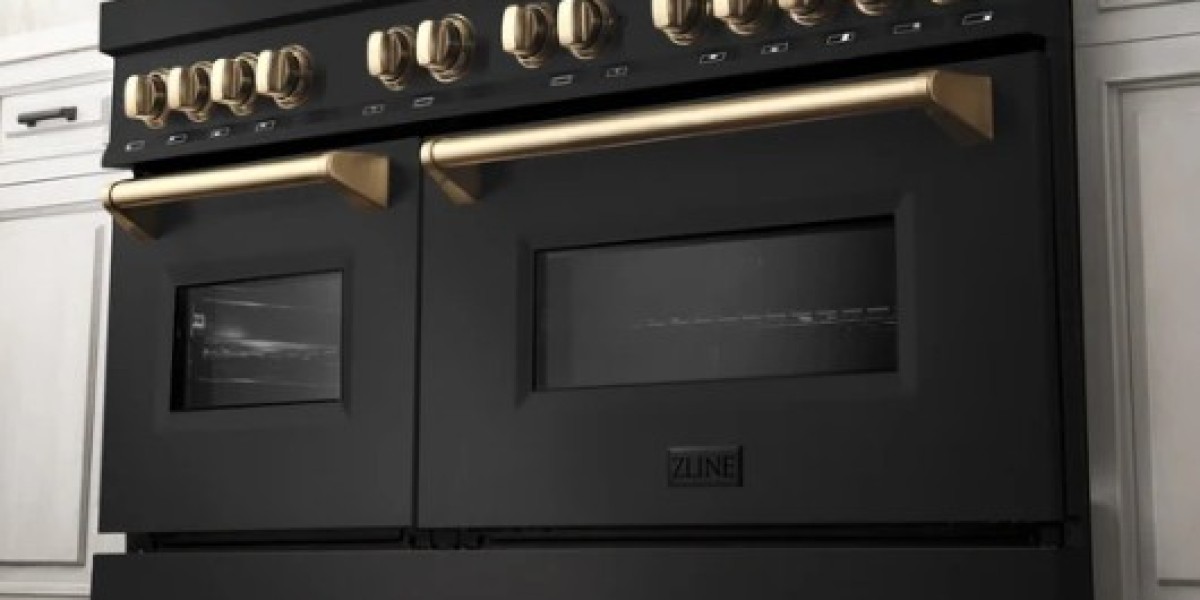

Choosing a cooking appliance is an important part of designing or updating a kitchen. The right appliance needs to match the available space, cooking habits, fuel supply, ventilation, and oven requirements. Because modern appliances come in many sizes and configurations, understanding the differences can make the selection process much easier.
A range combines a cooktop and an oven into one appliance, making it a practical option for kitchens where space and workflow matter. Before comparing kitchen ranges, it helps to understand how fuel type, dimensions, cooking performance, and useful features affect everyday use.
What Is a Kitchen Range?
A kitchen range is a single appliance that combines a stovetop or cooktop with one or more oven cavities. The terms stove and range are often used interchangeably, although manufacturers generally use "range" to describe the combined appliance. A separate cooktop, by comparison, does not include an oven.
This all-in-one design can simplify kitchen planning because the cooking surface and oven occupy the same footprint. It can also make meal preparation more convenient, particularly when several cooking methods are used at the same time.
Choose the Right Fuel Type
Fuel type is one of the most important decisions when selecting a range. The main choices include gas, conventional electric, induction, and dual-fuel configurations. Each provides a different cooking experience.
Gas models use natural gas or propane and offer visible flames with rapid adjustment. This can be useful for cooks who frequently sauté, sear, simmer, or use techniques requiring immediate changes in heat. Gas also works with virtually any heat-safe cookware.
Electric ranges use heating elements beneath or on the cooking surface. Radiant electric models provide steady heat, although the surface can retain residual heat after the setting is lowered.
Induction is an electric cooking technology that uses magnetic fields to heat compatible cookware directly. It can provide rapid heating and precise temperature adjustment, but cookware compatibility and electrical requirements should be considered before installation.
Dual-fuel ranges combine a gas cooktop with an electric oven. This configuration can appeal to households that value the responsiveness of gas on the stovetop while preferring the characteristics of an electric oven for baking and roasting.
Consider Size Before Features
Range width should be determined by the kitchen layout rather than by appearance alone. Many residential models are around 30 inches wide, while larger configurations can extend to 36 or 48 inches. Wider models can provide additional burners, griddles, grills, or oven capacity, but they also require more counter and ventilation space.
Measure the opening carefully before selecting one of the kitchen ranges under consideration. Check the appliance's height, width, depth, clearance requirements, door swing, and installation instructions. Existing electrical or gas connections should also be verified.
A replacement appliance should not simply fit the opening; it should leave adequate clearance around surrounding cabinets and allow the oven door to open safely.
Evaluate Oven Capacity and Configuration
Oven capacity matters if you regularly prepare large meals, bake multiple dishes, or entertain guests. A larger cavity can accommodate bigger cookware, but capacity should be assessed alongside the usable rack space and interior configuration.
Some kitchen ranges include two ovens. A double-oven arrangement can allow foods to cook at different temperatures simultaneously. It can also make it unnecessary to heat a large oven for a small meal. However, the lower cavity may be positioned closer to the floor, which can affect accessibility.
Convection cooking is another feature worth examining. Convection ovens circulate heated air, helping distribute heat more consistently throughout the cavity. However, the exact performance depends on the appliance design and cooking mode.
Match Features to Your Cooking Habits
Additional features are useful when they solve a real cooking need. High-output burners can be valuable for boiling and high-heat cooking, while low-output burners can provide better control for delicate simmering.
Other considerations include griddles, warming zones, multiple racks, self-cleaning functions, oven lighting, temperature controls, and storage configurations. Not every feature is necessary for every household, so prioritizing actual cooking habits can prevent paying for capabilities that will rarely be used.
Ventilation should also be considered along with the kitchen stove and oven, especially with gas cooking. A suitable ventilation system can help manage heat, moisture, cooking odors, and combustion byproducts. Installation requirements vary according to the fuel type and local building requirements.
Think About Installation Requirements
Infrastructure can limit which appliance types are practical. Gas ranges generally require an appropriate gas connection, while electric and induction models require suitable electrical service. Consumer Reports notes that electric and induction ranges commonly require a 240-volt electrical connection, while gas models require natural gas or propane service.
For this reason, installation requirements should be checked before purchasing an appliance. Electrical circuits, gas connections, ventilation, clearances, and local codes may all affect the installation.
How to Choose the Best Range for Your Kitchen
The best choice depends on how the kitchen is used rather than on appearance or specifications alone. A household that primarily cooks on burners may prioritize burner layout and heat control, while frequent bakers may place greater emphasis on oven capacity, temperature consistency, and convection.
Start by measuring the available space, identifying the available fuel sources, and considering the number of people who typically cook at once. Then compare burner configuration, oven capacity, controls, cleaning requirements, and installation needs.
For many households, kitchen ranges remain a practical solution because they combine two essential cooking functions in one appliance. The right model should fit the kitchen physically while also supporting the way meals are prepared.
Conclusion
Selecting a range is ultimately a balance between kitchen dimensions, cooking preferences, fuel availability, oven performance, and practical features. Understanding these factors makes it easier to compare different configurations without relying solely on appearance or price. Whether the priority is fast stovetop cooking, reliable baking, multiple oven cavities, or efficient use of kitchen space, kitchen ranges can provide an adaptable all-in-one cooking setup. For homeowners considering a high end kitchen range, the same principles still apply: evaluate cooking requirements, dimensions, installation needs, ventilation, and useful features before making a decision. A well-matched range should support everyday cooking while fitting naturally into the overall kitchen layout.