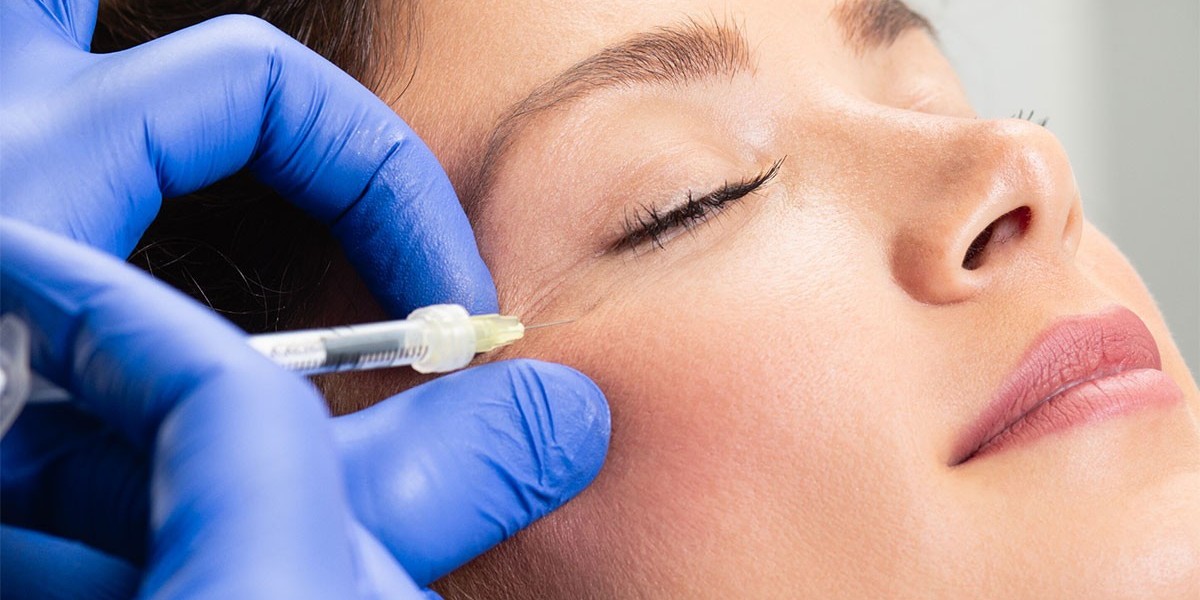

Facial expressions are an important part of how we communicate, but repeated movements of the facial muscles can gradually contribute to the appearance of expression lines. Frown lines between the eyebrows, horizontal forehead lines, and lines around the eyes may become more noticeable over time. For people who want to soften these lines while maintaining their natural facial expression, anti-wrinkle injections can be an option to consider.
Botox Injections In London are widely used as a non-surgical aesthetic treatment to temporarily reduce the appearance of certain dynamic wrinkles. The treatment works by influencing the signals between specific nerves and muscles, reducing excessive muscle contraction in the selected area.
Understanding how Botox works, which areas can be treated, how the procedure is performed, and how results develop can help individuals make informed decisions about their aesthetic treatment.
What Is Botox?
Botox is a brand name commonly associated with botulinum toxin type A, a purified substance used in carefully controlled doses for various medical and aesthetic applications.
In aesthetic treatment, it is injected into selected muscles to temporarily reduce their activity. Since certain facial lines are associated with repeated muscle movement, reducing the contraction of targeted muscles can soften the appearance of these lines.
The treatment is highly precise. Rather than affecting all facial muscles, injections are placed into specific muscles according to the individual's facial anatomy and treatment goals.
For anyone considering Botox in London, a consultation is an important part of determining which areas may benefit from treatment.
How Does Botox Work?
The mechanism behind Botox is based on communication between nerves and muscles.
When a facial muscle contracts, nerves release a chemical messenger called acetylcholine. This messenger signals the muscle to contract.
Botulinum toxin temporarily interferes with this communication at the treated nerve endings. As a result, the targeted muscle becomes less active.
When the muscle contracts less strongly, the repeated movement responsible for certain dynamic facial lines is reduced. Over time, this can lead to a softer appearance of wrinkles in the treated area.
The effect is temporary because the body gradually restores normal nerve-to-muscle communication.
What Are Dynamic Wrinkles?
Dynamic wrinkles are facial lines that become more visible when a person makes an expression.
For example, repeatedly raising the eyebrows can contribute to horizontal forehead lines, while bringing the eyebrows together can create vertical frown lines.
Lines around the outer corners of the eyes can also become more prominent during smiling or squinting.
Because Botox primarily works by reducing selected muscle activity, it is particularly suited to wrinkles associated with repeated facial movement.
Which Areas Can Botox Treat?
Botox can be used in several areas of the upper face, depending on the individual's concerns and treatment plan.
Common areas may include:
- Forehead lines
- Frown lines between the eyebrows
- Lines around the outer corners of the eyes
- Selected facial muscles contributing to unwanted expression lines
In some circumstances, practitioners may use botulinum toxin for other aesthetic purposes. The appropriate treatment areas and injection points depend on the individual's facial anatomy and desired outcome.
Why Is Precise Injection Placement Important?
Botox treatment is not simply about injecting a particular number of units into a wrinkle. The location of the underlying muscles, their strength, facial symmetry, and natural movement all need to be considered.
A practitioner assesses how the muscles move when the patient makes different expressions. This helps identify which muscles are contributing to the lines being treated.
The injection points are then selected to influence the appropriate muscles while maintaining a balanced facial appearance.
This personalised approach is particularly important because every person's facial movement pattern is different.
What Happens During a Botox Consultation?
The consultation is an important stage of Botox Injections In London treatment.
The practitioner may ask about the areas that concern you and what you would like to achieve. They can then examine your facial movements and assess the position and activity of the relevant muscles.
During the consultation, you may discuss:
- The facial lines you would like to address
- How your facial muscles move
- Which treatment areas may be suitable
- The expected onset of results
- How long the effects may last
- When future treatments might be considered
This assessment allows the treatment plan to be tailored to your facial characteristics rather than following a standard injection pattern.
What Happens During Botox Treatment?
Once the treatment plan has been established, the skin is prepared before the injections are administered.
A very fine needle is used to deliver small amounts of Botox into the selected muscles. The practitioner places the injections at predetermined points based on the anatomy and movement of the area.
The actual injection process is generally relatively quick, although the overall appointment may include consultation, assessment, preparation, and post-treatment guidance.
After the injections are completed, the practitioner may provide specific instructions about what to do during the initial period following treatment.
When Do Botox Results Appear?
Botox does not usually produce its full effect immediately.
The treated muscles gradually become less active after the injections. As this happens, the appearance of expression lines can begin to soften.
Some people may notice changes within several days, while the overall effect continues to develop. The exact timeline can vary according to the treatment area, dose, muscle activity, and individual response.
During a consultation at a Best Botox Clinic London, patients can discuss the expected timeline for their particular treatment.
How Long Does Botox Last?
The effects of Botox are temporary. Over time, nerve-to-muscle communication gradually returns, allowing the treated muscles to regain activity.
How long the results remain visible varies between individuals. Factors such as the treatment area, muscle strength, dose, metabolism, and previous treatment history can influence the duration.
When the effects have reduced sufficiently, a patient may discuss whether another treatment is appropriate.
Does Botox Completely Stop Facial Movement?
The goal of aesthetic Botox treatment is not necessarily to eliminate all facial movement.
A carefully planned treatment can reduce excessive activity in selected muscles while allowing natural expressions to remain. The amount used and the specific muscles treated can therefore have a significant influence on the final appearance.
Treatment should be based on the individual's facial movement and desired outcome rather than applying the same dosage to everyone.
How Is Botox Treatment Personalised?
Personalisation is one of the most important aspects of Botox treatment.
Two people with similar-looking forehead lines may have very different muscle strength and movement patterns. One person may naturally use their forehead muscles more actively, while another may have stronger movement between the eyebrows.
A personalised assessment may consider:
- Muscle activity
- Facial symmetry
- Existing expression lines
- Skin condition
- Age-related changes
- Previous aesthetic treatments
- Desired degree of movement
- Individual aesthetic goals
This information helps the practitioner determine which areas should be treated and how the treatment should be planned.
What Is the Difference Between Botox and Dermal Fillers?
Botox and dermal fillers work in different ways.
Botox temporarily reduces the activity of selected muscles, making it particularly useful for dynamic wrinkles caused by facial movement.
Dermal fillers are injectable products designed to add volume or support to selected areas. They may be used to address concerns such as volume loss, facial contours, or certain static lines.
Because their mechanisms are different, they may sometimes be considered for different types of facial concerns. A professional consultation can help determine which treatment approach is appropriate.
What Happens After Botox Treatment?
Following treatment, patients are generally provided with personalised aftercare guidance. The treated areas may require some time for the effects to develop.
It is important to follow the instructions provided by the practitioner and attend any recommended follow-up appointments.
Because Botox results develop progressively, patients should allow sufficient time for the treatment to take effect before assessing the overall appearance.
How Can You Prepare for Botox?
Preparation depends on the individual's circumstances and the clinic's treatment protocol.
Before treatment, it is useful to provide the practitioner with relevant information about previous aesthetic procedures and any products or treatments you are currently using.
You should also discuss your expectations clearly. Explaining whether you want to soften particular lines, maintain a high degree of facial movement, or achieve another specific aesthetic objective can help the practitioner create an appropriate treatment plan.
How Do You Choose a Botox Clinic in London?
Choosing a Best Botox Clinic London involves more than looking at the treatment itself. The consultation, practitioner experience, assessment process, and individualised treatment planning are all important considerations.
A suitable clinic should provide clear information about how Botox works and allow patients to discuss their aesthetic goals before treatment.
The bodyvie clinic offers an environment where individuals can explore aesthetic treatment options and discuss their requirements as part of a personalised consultation.
Taking time to understand the treatment process can help you decide whether Botox is appropriate for your particular concerns.
Who May Consider Botox?
Botox may be considered by adults who are concerned about dynamic facial lines and want a non-surgical treatment approach.
It can be particularly relevant when wrinkles become more prominent during facial expressions, such as frowning, raising the eyebrows, or smiling.
However, suitability varies from person to person. A professional consultation is the appropriate way to assess facial anatomy, muscle activity, treatment goals, and whether Botox is an appropriate option.
Why Is a Personalised Treatment Plan Important?
Facial expressions are unique. The muscles responsible for forehead movement, frowning, and smiling differ in strength and positioning between individuals.
A standardised approach may therefore not produce the same outcome for everyone.
A personalised treatment plan allows the practitioner to consider the patient's natural facial movement and select appropriate injection points and treatment levels. This approach also helps establish realistic expectations about how the face may look and move following treatment.
Conclusion
Botox in London is a non-surgical aesthetic treatment that works by temporarily reducing the activity of selected facial muscles. By interfering with nerve-to-muscle communication, Botox can reduce the repeated contractions that contribute to dynamic facial lines.
Botox Injections In London can be used to address areas such as forehead lines, frown lines, and lines around the eyes. The treatment is highly dependent on accurate assessment and precise injection placement because facial muscle activity varies considerably between individuals.
The effects develop gradually rather than appearing immediately, and the duration of results can vary from one person to another. Because Botox is temporary, future treatment can be discussed when muscle activity and the appearance of treated lines begin to return.
For anyone considering treatment, choosing a Best Botox Clinic London and having a detailed consultation can help establish a personalised approach based on facial anatomy, expression patterns, and aesthetic goals. Understanding how Botox works is an important first step towards making an informed decision about whether the treatment is suitable for you.
FAQs
What is Botox?
Botox is a purified form of botulinum toxin type A that can be used in controlled doses for aesthetic treatment. It temporarily reduces the activity of selected muscles to soften the appearance of dynamic facial lines.
How do Botox Injections In London work?
Botox Injections In London work by temporarily interrupting communication between selected nerves and muscles. This reduces muscle contraction and can soften lines caused by repeated facial movements.
Which facial areas can Botox treat?
Common treatment areas include forehead lines, frown lines between the eyebrows, and lines around the outer corners of the eyes. The appropriate areas depend on individual facial anatomy and treatment goals.
How long does a Botox appointment take?
The injection process itself is generally quick, although the total appointment can be longer because it may include consultation, facial assessment, treatment planning, and aftercare guidance.
When do Botox results become visible?
Results generally develop gradually after treatment. Some changes may become noticeable within several days, while the full effect takes longer to develop.
How long does Botox last?
Botox results are temporary. The duration varies according to factors such as treatment area, muscle activity, dosage, individual response, and previous treatment history.
Does Botox remove wrinkles permanently?
No. Botox temporarily reduces the muscle activity responsible for certain dynamic wrinkles. As normal muscle activity gradually returns, treated lines may become visible again.
Does Botox stop facial expressions?
Botox does not necessarily eliminate facial expressions. Treatment can be personalised according to the desired degree of muscle movement, allowing practitioners to target specific areas rather than all facial muscles.
What is the difference between Botox and fillers?
Botox works by temporarily reducing selected muscle activity, while dermal fillers are designed primarily to add volume or structural support to specific facial areas. They address different types of aesthetic concerns.
How do I choose a Best Botox Clinic London?
When choosing a Best Botox Clinic London, consider the quality of the consultation, practitioner's experience, personalised assessment, treatment planning, and the information provided about the procedure.
Can Botox treatment be personalised?
Yes. Treatment can be adapted according to muscle activity, facial symmetry, existing expression lines, treatment areas, and the individual's aesthetic goals.
What should I discuss during a Botox consultation?
You can discuss the facial lines you want to address, your desired level of facial movement, previous aesthetic treatments, expected results, treatment duration, and how the treatment plan will be personalised for you.