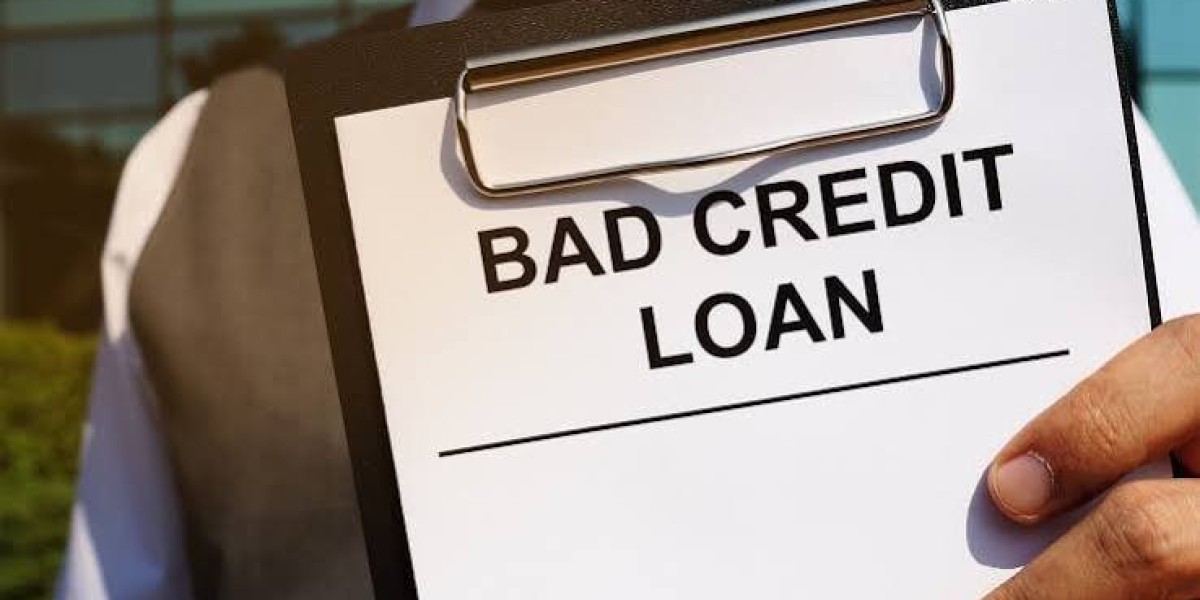

Finding a loan when you have a low credit score can feel challenging. Many borrowers search online for quick financial solutions, only to encounter confusing offers, extremely high costs, or even fraudulent lenders. Knowing where to look for legitimate loans with bad credit is essential for protecting your finances and making a more informed borrowing decision.
Having bad credit does not automatically mean that you have no borrowing options. However, it can affect loan approval, interest rates, fees, and repayment terms. The most important step is to focus on legitimate lenders, carefully compare offers, and avoid companies that make unrealistic promises.
Before applying for any loan, take time to understand your financial situation, review your credit history, and compare the total cost of borrowing. Credit history affects both access to credit and the terms a lender may offer.
Start With Banks and Credit Unions
Traditional banks and credit unions can be a good starting point when looking for legitimate borrowing options. Even if you have bad credit, it may be worthwhile to ask about available products and qualification requirements.
Credit unions, in particular, may offer products designed for their members and can sometimes provide more personalized service. Eligibility requirements vary, so it is important to check the terms directly.
When comparing lenders, do not focus only on whether you might be approved. Also consider:
- Annual Percentage Rate (APR)
- Loan fees
- Repayment period
- Monthly payment amount
- Total repayment cost
- Late payment policies
- Prepayment options
A lower monthly payment does not always mean a less expensive loan. A longer repayment period can increase the total amount of interest paid.
Consider Reputable Online Lenders
Online lenders can provide another option for borrowers with less-than-perfect credit. However, it is important to distinguish between an actual lender and a website that simply collects and sells your personal information to other companies.
Before sharing sensitive information, verify:
- The company's identity
- Physical business address
- Customer support contact details
- Licensing requirements
- Privacy policies
- Loan disclosures
- Terms and conditions
The Consumer Financial Protection Bureau advises borrowers to determine whether a website is an actual lender or a lead-generation service and to check whether the lender is licensed where required.
A legitimate lender should clearly explain how its loan process works and provide information about costs and repayment obligations.
Check Your Credit Report First
Before applying for a bad credit loan, review your credit report. Understanding your credit history can help you identify mistakes and better understand how lenders may evaluate your application.
Your credit report may contain information about:
- Existing credit accounts
- Loan balances
- Payment history
- Late payments
- Collection accounts
- Credit inquiries
- Other financial information
Reviewing your report can also help you identify errors that should be disputed. The FTC recommends regularly checking credit reports for inaccurate information because errors can affect borrowing opportunities and loan terms.
Taking time to understand your credit situation before applying may help you avoid unnecessary applications and make better comparisons between offers.
Look for Lenders That Allow Prequalification
Some lenders offer a prequalification process that allows potential borrowers to check possible loan terms before submitting a full application.
Prequalification is not a guarantee of approval, but it can provide useful information about potential rates and terms. It may also help borrowers compare multiple options before making a final decision.
When comparing prequalified offers, look carefully at:
- Estimated APR
- Loan amount
- Repayment term
- Origination fees
- Monthly payments
- Total borrowing costs
Always read the details carefully because advertised rates may only be available to borrowers who meet specific eligibility requirements.
Avoid Guaranteed Approval Promises
One of the biggest warning signs when searching for loans with bad credit is a company promising “guaranteed approval.”
Legitimate lenders generally evaluate factors such as credit history, income, existing debt, and the information provided in an application. A company claiming that everyone will automatically receive a loan should be approached with caution.
The FTC specifically warns consumers about advance-fee loan scams that target people with bad credit by promising easy approval or guaranteed loans.
Be cautious of advertisements containing phrases such as:
- Guaranteed approval
- No credit check for everyone
- Bad credit is never a problem
- Pay a fee before receiving funds
- Instant loan with no verification
- Approval guaranteed today
A lender may offer products designed for borrowers with poor credit, but responsible lending still involves evaluating an applicant's ability and likelihood to repay.
Never Pay for a Loan Promise
Advance-fee loan scams are a serious concern for borrowers searching for financial assistance.
In these scams, a company may tell you that you have been approved but then request money before releasing the loan. The requested payment may be described as:
- Processing fees
- Insurance fees
- Application fees
- Administrative costs
- Security deposits
The FTC warns that scammers may promise credit regardless of credit history and then demand an upfront payment without actually providing the promised loan.
Be especially cautious if someone asks you to send money through difficult-to-reverse methods, such as gift cards, cryptocurrency, or certain wire transfers.
Compare APR Instead of Just Monthly Payments
When comparing legitimate loans, one of the most useful numbers to examine is the Annual Percentage Rate (APR).
The APR can help you understand the overall annual cost of borrowing by incorporating interest and certain fees. Federal consumer guidance recommends using APR information to compare borrowing costs across lenders.
For example, two loans may have similar monthly payments but very different total costs. Always compare:
- Interest rate
- APR
- Origination fees
- Monthly payment
- Loan term
- Total repayment amount
Understanding these numbers can help you avoid selecting a loan based only on a low advertised payment.
Consider Secured Loan Options Carefully
Some borrowers with bad credit may encounter secured loan options. A secured loan generally requires collateral.
Collateral may reduce the lender's risk, but it also creates additional risk for the borrower. If repayment obligations are not met, the borrower may risk losing the pledged asset depending on the loan agreement.
Before accepting a secured loan, carefully understand:
- What property is being used as collateral
- What happens after missed payments
- The total borrowing cost
- All applicable fees
- The lender's rights under the agreement
Never use valuable property as collateral without understanding the potential consequences.
Be Careful With Payday and High-Cost Loans
When financial pressure is high, quick-cash loans can appear attractive. However, short-term products can carry significant costs depending on the lender and applicable laws.
The FTC advises borrowers to carefully review written disclosures, including finance charges, APR, and additional fees, before signing a payday or title loan agreement.
Before accepting any high-cost borrowing product, consider whether there are alternatives. Borrowing should solve a financial problem rather than create a repayment cycle that becomes difficult to manage.
Verify the Lender Before Applying
A legitimate-looking website is not automatically proof that a company is trustworthy. Before applying, research the lender independently.
Useful verification steps include:
- Searching the company name with terms such as “complaints” or “scam”
- Checking state licensing requirements
- Reviewing official consumer protection resources
- Confirming contact information
- Reading the privacy policy
- Reviewing loan disclosures
- Looking for clear terms and conditions
The FTC recommends checking whether a lender is registered where it does business and researching the company before moving forward.
Never rely exclusively on testimonials displayed on a lender's own website.
Understand the Full Loan Agreement
Before signing any loan agreement, read the complete terms carefully. Do not feel pressured to make an immediate decision.
Important questions to ask include:
- What is the exact APR?
- Are there origination fees?
- Is there a prepayment penalty?
- What is the monthly payment?
- When is the first payment due?
- What happens after a late payment?
- How much will I repay in total?
- Is collateral required?
Consumer guidance from the CFPB emphasizes comparing offers, understanding total costs, and taking time to review written loan information before signing.
If the terms are unclear, ask questions before accepting the loan.
Improve Your Options Before Borrowing
If you do not need funds immediately, improving your financial profile may increase your future borrowing options.
Steps that may support healthier credit over time include:
- Paying bills on time
- Reducing outstanding balances
- Reviewing credit reports for errors
- Avoiding unnecessary new credit applications
- Managing existing accounts responsibly
The FTC notes that payment history and outstanding balances can affect credit, and improving a credit profile generally takes time rather than providing an instant solution.
Even small improvements can potentially expand your options in the future.
Final Thoughts: Finding Legitimate Loans With Bad Credit
Knowing where to look for legitimate loans with bad credit starts with focusing on transparency and consumer protection. Consider established banks, credit unions, and reputable lenders that clearly explain their requirements and loan terms.
Always compare multiple offers and avoid companies that pressure you into acting quickly. Never assume that a guaranteed approval advertisement is legitimate, and be extremely cautious about requests for upfront payment in exchange for a promised loan.
The best approach is to understand your credit situation, verify every lender, compare APRs and fees, and carefully review the full repayment terms before signing.
A loan can be a useful financial tool when used responsibly, but borrowing with bad credit often requires additional caution. Take your time, research your options, and choose a borrowing solution based on the total cost and your realistic ability to repay—not simply on the promise of fast approval.