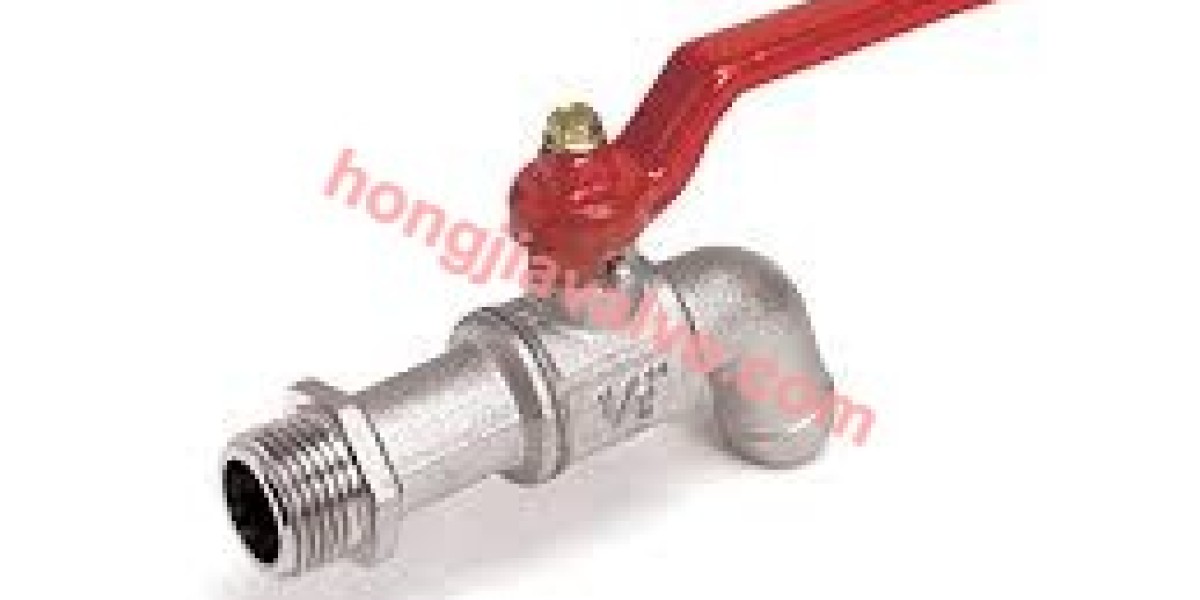

The arrival of winter temperatures brings a familiar anxiety to homeowners and facility managers alike: the risk of frozen pipes and the subsequent damage from bursting. Exterior water outlets, or hose bibs, are particularly vulnerable because they extend through the building wall and are directly exposed to freezing air. A standard bibcock valve, when shut off, retains water within the portion of the pipe that penetrates the heated interior space. This trapped water, when subjected to freezing temperatures, expands, creating immense pressure that can split the pipe or the valve body itself. The repair for such a failure is often costly and invasive, requiring access within the wall to replace the damaged section. The design of a frost-proof alternative seeks to eliminate this vulnerability by fundamentally altering the shut-off location and drainage mechanism. How does the architecture of a specialized frost-proof bibcock valve from HongJiavalve effectively counteract the freezing process while potentially simplifying the installation challenge?
The operational principle of a frost-proof bibcock valve rests on a simple yet highly effective mechanical configuration. Unlike a standard faucet where the shut-off mechanism resides at the exterior end of the valve, the frost-proof design positions the closing point deep within the heated interior of the building . This is accomplished by attaching a long stem to the exterior handle, which extends through the pipe to operate a washer and seat that seal the water supply far from the cold. When the valve is closed, the water in the external portion of the pipe—the part that remains exposed to freezing air—drains away through an opening . This drainage occurs automatically because the pipe within the warm interior is pitched slightly downward toward the exterior. As the water drains, the void left in the pipe allows for the expansion of any residual moisture without generating damaging pressure. This mechanism ensures that the destructive force of freezing water is never concentrated within the valve body or the supply pipe. The design elegantly addresses the core problem of freeze damage by moving the point of potential failure from the frozen exterior to the temperature-controlled interior.
The installation requirements for a frost-proof bibcock valve are specific and critically important for its correct operation. The valve must be installed with the proper pitch, sloping downward from the interior to the exterior to ensure complete drainage . A slight downward slope of approximately 1/4 inch per foot is generally sufficient to allow gravity to evacuate the water from the pipe after the valve is closed. The stem length is also a crucial variable; the stem must be long enough to reach through the wall thickness so that the valve seat is positioned within the heated space . If the valve is installed in an unheated area, such as an uninsulated garage, the frost-proofing function is compromised because the seat itself resides in a freezing environment. Furthermore, the installation must provide adequate clearance for the handle to operate freely and for the water supply line to be connected without stress. These installation guidelines, when followed precisely, guarantee that the valve performs as designed and delivers the freeze protection it promises.
Selecting a frost-proof bibcock valve from a reputable manufacturer ensures the quality of the materials and the precision of the components. The valve body, typically constructed from brass or stainless steel, must withstand the mechanical forces of repeated operation and the environmental exposure of the exterior. The sealing washer and seat must be crafted from durable materials that maintain their integrity over time and provide a secure shut-off. The internal stem and mechanism must resist corrosion and function smoothly even after periods of disuse. HongJiavalve's commitment to quality control and its extensive experience in manufacturing plumbing components positions it as a reliable source for these critical elements. The company's dedication to using robust materials and advanced manufacturing techniques results in a product that delivers consistent, long-term performance in demanding applications.
The adoption of a frost-proof bibcock valve represents a sound investment in the protection of a property against a common and potentially devastating winter hazard. While the initial cost of a frost-proof valve may exceed that of a standard faucet, this expense is far outweighed by the potential cost of a burst pipe repair. The peace of mind that comes from knowing that the exterior water outlets are secured against freezing is an invaluable asset for any property owner. The correct installation, with attention to slope and stem length, is the key to unlocking the full protective capability of these devices. For those seeking a reliable supply of these essential components, the detailed product specifications and range of options available from a trusted source can be viewed at https://www.hongjiavalve.com/, which outlines the features designed for varied requirements. With a clear understanding of the operational science and installation demands, can the frost-proof bibcock valve, sourced from HongJiavalve, conclusively eliminate the seasonal anxiety of winter pipe failure?