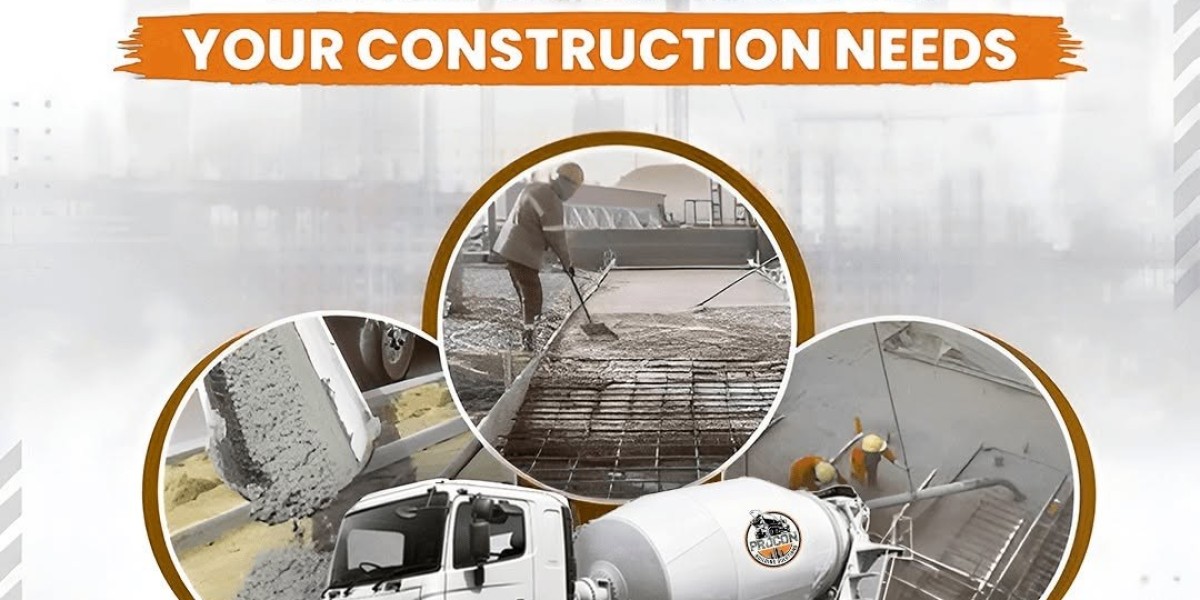

The modern building sector is undergoing a massive operational transformation, moving away from slow, manual labor toward digitally integrated, automated manufacturing. For decades, traditional construction sites relied on manual concrete mixing—a process prone to batch inconsistency, unpredictable setting times, and significant raw material waste. Today, fast-paced high-rise developments, infrastructure projects, and commercial hubs require exact structural performance and rapid execution. Concrete production is becoming far more efficient through computer-controlled batching plants, real-time moisture monitoring, climate-controlled mixing, and synchronized field logistics. Integrating advanced manufacturing with heavy placement equipment, such as a high-capacity concrete pump Karachi, ensures that engineered concrete moves rapidly from production plants straight into complex structural forms.
Computerized Batching and Digital Precision
The foundation of production efficiency lies in automated plant batching. Rather than relying on erratic volumetric measurements, computerized ready-mix plants measure raw materials by weight using digital load cells.
Digital batching technologies optimize production efficiency through key controls:
Real-Time Moisture Sensors: Microwave sensors inside aggregate bins continuously measure moisture levels, dynamically adjusting added water to maintain accurate water-cement ratios.
Automated Admixture Dosing: High-performance chemical superplasticizers, retarders, and accelerators are injected with digital precision to extend slump life and improve workability.
Exact Aggregate Proportioning: Automated bin gates screen and blend coarse and fine aggregates according to engineered particle distribution curves, reducing structural void ratios.
Automated dosing eliminates human error, batch variations, and material waste, guaranteeing that every cubic meter meets engineered load specifications.
Climate-Adapted Mixing and Hydration Management
Operating central batching plants in warm or humid climates requires technical interventions to prevent premature hydration and slump loss. Rapid evaporation during transit can cause premature setting and early thermal cracking in fresh concrete.
Modern production facilities employ specialized technological interventions to counter environmental stress:
Integrated Chilling Systems: Automated batching facilities use chilled water and ice-flaking systems to regulate concrete discharge temperatures during hot weather pours.
Supplementary Cementitious Materials (SCMs): Advanced mix software integrates industrial byproducts like fly ash, slag, or silica fume to reduce peak hydration heat while increasing long-term durability.
Hydration Retarders: Custom admixtures temporarily slow setting kinetics, preserving fluidity during transit across congested urban traffic routes.
Managing hydration chemistry through smart manufacturing protects structural elements against micro-cracking and early material degradation.
Streamlined Fleet Logistics and Laboratory Diagnostics
Production efficiency extends well beyond the mixing drum to encompass real-time dispatch logistics and continuous quality control. Advanced batching plants operate in tandem with in-house testing laboratories, where concrete specimens are cast and crush-tested at 7-day and 28-day intervals against ASTM standards. Once a batch is verified, automated fleet dispatch software coordinates transit mixers with project site schedules. Synchronizing delivery times eliminates site bottlenecks, prevents transit delays, and ensures that fresh concrete arrives at peak workability.
High-Capacity Pumping and Site Placement
Accelerating batching and delivery is only effective if site placement keeps pace. Modern ready-mix operations pair automated transit logistics with high-capacity boom and line pumps on site. Pumping moves large cubic volumes of fresh concrete directly to elevated floor slabs or subterranean footings in a fraction of the time required by manual methods.
Conclusion
Concrete production is becoming more efficient by substituting manual guesswork with digital batching precision, automated temperature regulation, and synchronized supply logistics. Shifting from site-mixed operations to computerized manufacturing allows developers and contractors to cut project timelines, reduce material waste, and achieve higher structural durability. Utilizing certified batching facilities and heavy-duty concrete pump Karachi services empowers builders to execute ambitious architectural projects safely, sustainably, and on schedule.
Survey No. 423, Ibrahim Hydri, behind Bol head quarter, Korangi creek road, Karachi-74900
info@procon.pk
+92 21 111 250 250