
Introduction
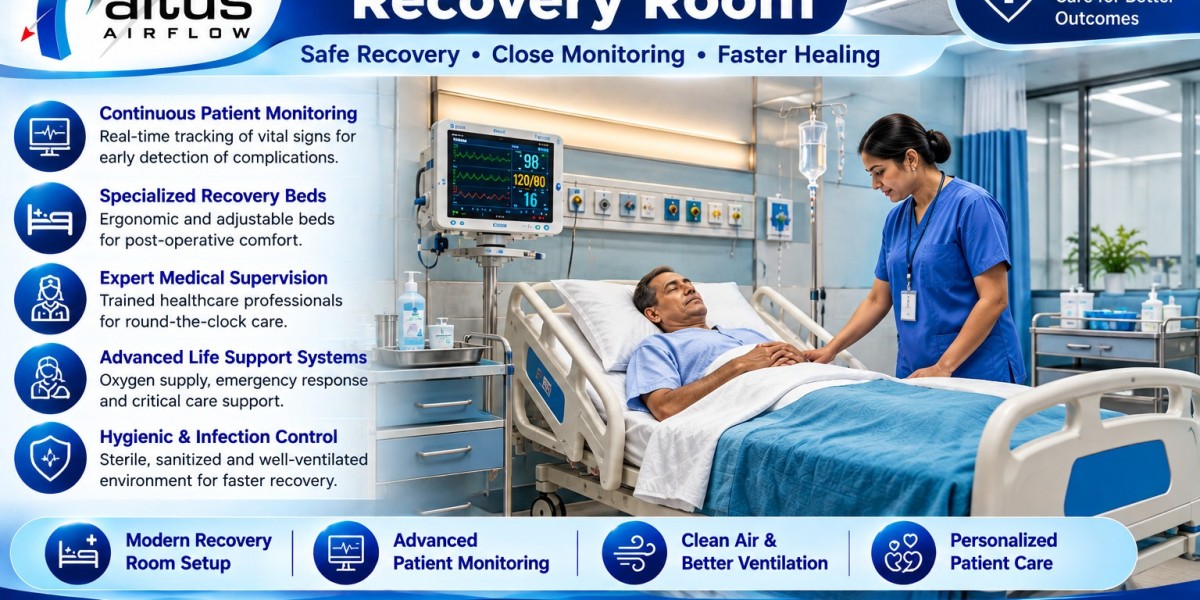
A Post Operative Recovery Room is a specially organized hospital area where patients are observed immediately after surgery or anesthesia. Its purpose is to provide close clinical observation while the effects of anesthesia wear off and normal body functions stabilize. Healthcare professionals may assess breathing, oxygen saturation, pulse, blood pressure, consciousness, temperature, pain, nausea, and other relevant recovery factors. Proper observation helps the care team identify changes promptly and decide when the patient is ready for transfer or discharge.
Monitoring After Surgery
One of the most important functions of this area is patient monitoring. Appropriate equipment can help staff assess respiratory function, oxygen levels, heart rate, blood pressure, and other vital parameters. Patients recovering from anesthesia may require closer observation until they are sufficiently alert and clinically stable.
Supporting Anesthesia Recovery
Anesthesia can temporarily affect breathing, consciousness, coordination, and other body functions. A controlled recovery environment allows trained healthcare professionals to observe these changes as the medications wear off. Patients may also experience nausea, vomiting, chills, or drowsiness, which can be assessed and managed according to their clinical needs.
Pain and Comfort Management
Pain assessment is another important part of immediate post-operative care. Healthcare professionals can evaluate discomfort and provide appropriate treatment according to the patient's medical plan. Monitoring comfort, temperature, nausea, hydration, and other symptoms helps create a smoother transition after surgery.
Emergency Preparedness
The recovery area should provide convenient access to appropriate emergency and medical-support equipment. Recovery beds, patient monitoring systems, oxygen and suction provisions, electrical connections, and resuscitation equipment may be required according to the hospital's services and patient population. Clear pathways and organized equipment placement can also help staff respond efficiently when urgent attention is needed.
Patient Safety and Observation
This area provides an important transition between the operating department and the patient's next destination. Patients may eventually move to a general ward, intensive-care area, or home after suitable clinical assessment. Discharge decisions should be based on appropriate recovery criteria rather than simply a fixed length of stay.
Hygiene and Organized Design
A well-planned recovery area should support hygiene, privacy, staff visibility, and efficient movement. Easy-to-clean surfaces, organized storage, adequate lighting, suitable bed spacing, and accessible equipment can help healthcare professionals perform their responsibilities effectively. A practical design should also allow patients and staff to move safely without unnecessary obstruction.
Role in Overall Patient Care
Post-surgical observation connects the procedure with the next stage of recovery. It gives healthcare professionals time to assess the patient's condition, manage immediate post-operative needs, monitor the effects of anesthesia, and recognize potential concerns before transfer. Proper staffing, suitable equipment, clearly defined procedures, and an organized environment all contribute to effective recovery care.
Conclusion
A Post Operative Recovery Room is used to monitor patients after surgery, support recovery from anesthesia, manage immediate symptoms, maintain safety, and prepare patients for appropriate transfer or discharge. With suitable equipment, trained staff, hygiene measures, and efficient planning, it provides a controlled and supportive stage between surgery and the patient's next phase of care.
FAQs
1. What is the main purpose of a recovery room?
It provides close observation and support while patients recover from anesthesia and the immediate effects of surgery.
2. What is monitored after surgery?
Depending on clinical requirements, staff may monitor breathing, oxygen saturation, pulse, blood pressure, consciousness, temperature, pain, and nausea.
3. Why is anesthesia recovery monitored closely?
Anesthesia can temporarily affect breathing, consciousness, and other body functions, making appropriate observation important during recovery.
4. How is patient comfort supported?
Healthcare professionals can assess pain and manage symptoms such as nausea, vomiting, chills, and discomfort according to the patient's clinical needs.
5. When can a patient leave the recovery area?
Transfer or discharge should follow suitable clinical criteria confirming that the patient has recovered sufficiently for the next stage of care.
Read Our Previous Blog----------->How Does a Hospital Recovery Room Support Patient Care?