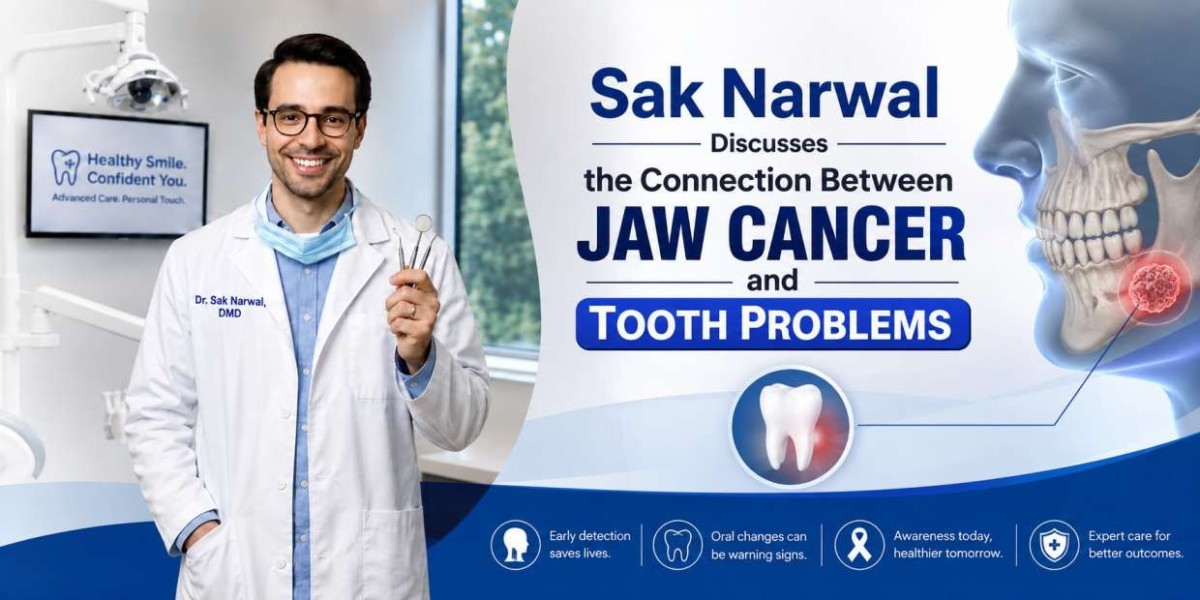

Jaw cancer is a serious condition that can affect the bones and tissues surrounding the mouth. Because the jaw plays an important role in supporting the teeth, changes caused by a tumor can sometimes appear first as dental problems. Sak Narwal discusses why understanding this connection is important and why unusual or persistent changes in the mouth should receive professional attention.
How Jaw Cancer Can Affect the Teeth
The upper and lower jaws contain bone that supports the roots of the teeth. When a tumor develops within or near the jawbone, it can interfere with the normal structures surrounding the teeth. Depending on the location and type of cancer, this may result in symptoms such as unexplained tooth mobility, changes in how the teeth fit together, swelling, discomfort, or difficulty chewing.
However, these symptoms do not automatically indicate cancer. Tooth decay, gum disease, dental infections, trauma, and other oral conditions can cause similar problems. The important factor is whether a symptom is unusual, persistent, or difficult to explain through a routine dental diagnosis.
Unexplained Tooth Mobility
One potential warning sign is a tooth becoming loose without an obvious cause. Adult teeth can become mobile because of advanced periodontal disease, injury, bone loss, or infection. In less common situations, changes in the jawbone caused by a tumor may also affect the stability of a tooth.
A loose tooth that develops without an identifiable dental explanation deserves evaluation. Rather than assuming the cause is cancer, a dentist may examine the surrounding tissues and consider whether additional testing or imaging is appropriate.
Pain, Swelling, and Changes in Sensation
Jaw-related cancers may sometimes cause persistent pain or swelling. Some people may experience tenderness around the jaw, facial swelling, or discomfort when chewing. Numbness or an unusual tingling sensation involving the lip, chin, or other areas can also be clinically significant, particularly when it persists without an obvious explanation.
These symptoms can have many non-cancerous causes. Dental infections and nerve-related conditions, for example, can produce pain or altered sensation. What matters is careful evaluation when symptoms continue or do not respond as expected to routine dental care.
Changes in the Bite
The position of the jaw and the supporting bone contributes to how the upper and lower teeth meet. A condition affecting the jawbone can potentially alter this relationship. Patients may notice that their bite feels different, that certain teeth contact earlier than they used to, or that chewing has become uncomfortable.
A sudden change in the bite is not necessarily a sign of cancer. Orthodontic changes, tooth movement, dental restorations, inflammation, and other conditions can also affect the way teeth come together. Nevertheless, unexplained changes should not be ignored.
Why Dental Examinations Matter
Regular dental examinations are useful not only for detecting cavities and gum disease but also for identifying unusual changes involving the mouth, jaw, and surrounding tissues. During an examination, a dental professional can assess the teeth, gums, jaw, and oral tissues and determine whether further investigation is warranted.
When a suspicious area is identified, diagnostic imaging may sometimes be recommended. Depending on the situation, this can include dental X-rays, panoramic imaging, CT scans, MRI, or other investigations. A biopsy may be necessary when tissue needs to be examined to determine whether cancer is present.
Recognizing Persistent Changes
The connection between jaw cancer and tooth problems is important because symptoms can sometimes resemble ordinary dental conditions. Persistent swelling, unexplained tooth movement, ongoing pain, unusual numbness, a non-healing sore, unexplained bleeding, or changes in the bite should be evaluated by a qualified dental or medical professional.
The presence of one of these symptoms does not mean a person has cancer. Most dental symptoms have more common explanations. The purpose of recognizing potential warning signs is to encourage appropriate evaluation rather than self-diagnosis.
The Importance of Early Evaluation
Sak Narwal emphasizes the broader principle that changes in oral health deserve attention when they are persistent or unexplained. Dentists can play an important role in recognizing abnormalities and determining when a patient may need additional assessment.
Understanding how jaw conditions can influence teeth helps patients pay closer attention to changes in their oral health. When something feels different and does not resolve normally, seeking professional evaluation is a sensible step. Early investigation can help identify the actual cause—whether it is a routine dental problem or a condition requiring more specialized care.