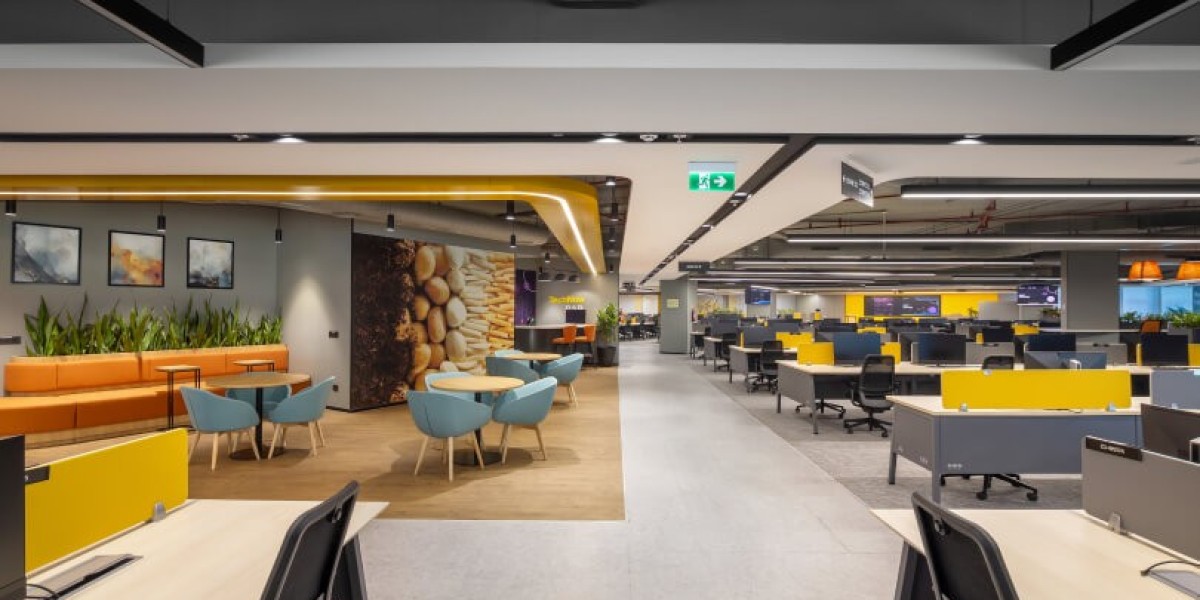

Corporate workplaces are changing rapidly. As businesses grow, employee expectations evolve, and working styles become more flexible, offices that once met an organization's needs may eventually feel outdated or inefficient. Instead of relocating, many businesses are choosing to improve their existing workplaces through carefully planned refurbishment.
Professional office refurbishment services can help businesses rethink how their available space is used while improving design, functionality, technology, comfort, and overall workplace experience. A successful refurbishment is not simply about making an office look newer; it is about creating an environment that supports the way people and businesses work today.
What is office refurbishment?
Office refurbishment involves upgrading and improving an existing workplace to make it more functional, comfortable, and suitable for current business requirements. Depending on the condition and objectives of the office, refurbishment can range from relatively small improvements to a comprehensive transformation of the workplace.
A refurbishment project may include space planning, new furniture, flooring, ceilings, partitions, lighting, electrical work, technology infrastructure, meeting areas, breakout spaces, and updated finishes.
Unlike a simple decorative makeover, refurbishment considers how different elements of an office work together. The objective is to create a cohesive workplace that supports employees while meeting the practical requirements of the organization.
Why Do Businesses Need to Refurbish Their Offices?
There are several reasons why an organisation may decide to refurbish its existing office.
An outdated layout may no longer suit the way teams work. Departments may have expanded, employees may require more collaboration areas, or businesses may have adopted hybrid working practices that have changed how desks and meeting rooms are used.
Other common reasons include:
Inefficient use of available floor space
Outdated furniture and finishes
Changing employee expectations
Increased demand for collaboration areas
Technology upgrades
Business expansion or restructuring
Improving workplace comfort
Updating corporate identity
Creating more flexible workspaces
Refurbishment provides an opportunity to address several of these requirements as part of a coordinated workplace improvement project.
Office Refurbishment vs. Office Renovation
The terms office refurbishment and office renovation are sometimes used interchangeably, but they can describe different levels of work.
Office renovation may focus on repairing, replacing, or upgrading specific elements of an existing space. This could include repainting walls, replacing flooring, updating lighting, or repairing fixtures.
Refurbishment can involve a broader review of the workplace, including its layout, furniture, facilities, technology, finishes, and overall functionality. The scope depends on the organisation’s objectives and the existing condition of the office.
Before beginning an office renovation or refurbishment project, businesses should assess what is working well, what needs improvement, and how the workplace may need to evolve in the future.
The Role of Corporate Office Interior Design
Design plays an important role in determining whether a refurbished workplace is genuinely useful. Corporate office interior design should balance aesthetics with functionality, ensuring that the workplace supports both the organisation and its employees.
Space planning is particularly important. Designers need to consider employee movement, departmental relationships, meeting requirements, storage, collaboration, privacy, and circulation.
A well-designed workplace may include a combination of individual workstations, meeting rooms, informal collaboration areas, private spaces, breakout zones, and shared facilities.
Corporate branding can also be incorporated through materials, colours, furniture, graphics, and architectural details. However, branding should complement the workplace rather than compromise functionality.
Key Areas to Consider During an Office Refurbishment
A successful refurbishment requires attention to multiple aspects of the workplace.
Space Planning
Available floor space should be assessed carefully before changes are made. Businesses can identify underused areas, improve circulation, and create layouts that better support current working patterns.
Flexible planning can also make it easier to accommodate future changes without requiring another major refurbishment.
Furniture and Ergonomics
Furniture has a direct influence on how employees interact with the workplace. Ergonomic workstations, comfortable seating, collaborative furniture, and flexible arrangements can help create a more practical environment.
Furniture should also be selected according to the size and purpose of each area rather than simply focusing on appearance.
Lighting and Acoustics
Lighting and acoustics are often overlooked during office improvements, despite their importance to the overall workplace experience.
A combination of suitable general lighting, task lighting, natural daylight, and carefully considered acoustic treatments can help create different environments for focused work, meetings, and collaboration.
Meeting and Collaboration Areas
Modern businesses often require spaces where employees can meet, exchange ideas, and work together. Refurbishment can create formal meeting rooms alongside informal collaboration zones.
Flexible furniture and adaptable layouts can allow these spaces to serve multiple purposes depending on business requirements.
Technology Integration
Technology should be considered during the planning stage rather than treated as an afterthought.
Modern offices may require video conferencing facilities, wireless connectivity, display systems, smart meeting rooms, access-control solutions, and other workplace technologies. Planning infrastructure alongside the interior design can help create a more integrated workplace.
How Workplace Modernization Improves Employee Experience
Workplace modernization involves more than introducing contemporary furniture or attractive finishes. It focuses on making the workplace better suited to current ways of working.
Employees may need different environments throughout the day. Someone working on a task requiring concentration may prefer a quieter area, while a project team may need an open collaboration space.
Modern workplaces can therefore provide a variety of settings, including focused work areas, meeting rooms, informal spaces, breakout zones, and private rooms.
Natural light, greenery, comfortable furniture, appropriate acoustics, and thoughtful spatial planning can also contribute to a more welcoming office environment.
Sustainability in Office Refurbishment
Sustainability is becoming an increasingly important consideration for businesses upgrading their workplaces.
Refurbishment provides an opportunity to review lighting systems, materials, furniture, energy use, and waste management. Where practical, existing elements can be reused or adapted rather than replaced unnecessarily.
Businesses can also consider durable materials, energy-efficient lighting, natural daylight, responsible material selection, and indoor greenery when planning improvements.
Sustainable choices should be evaluated according to the requirements and long-term use of the workplace rather than treated simply as a design trend.
Benefits of Professional Office Refurbishment Services
Working with experienced professionals can help businesses approach refurbishment as a coordinated project rather than a collection of unrelated improvements.
Professional office refurbishment services can assist with workplace planning, interior design, material selection, furniture, project coordination, and implementation.
Potential benefits include:
Better utilisation of available space
A more functional workplace layout
Updated furniture and finishes
Improved flexibility
Integration of workplace technology
Greater alignment with business requirements
A more contemporary workplace environment
The opportunity to improve sustainability
The scope and outcome of every project will depend on the existing building, budget, business requirements, and level of refurbishment required.
How to Plan a Successful Office Refurbishment Project
Good planning can make a significant difference to the outcome of an office refurbishment.
The process can begin with an assessment of the existing workplace. Businesses should identify operational challenges, employee requirements, underused areas, infrastructure limitations, and opportunities for improvement.
The next stage is to establish clear objectives and a realistic budget. A workplace design strategy can then translate these requirements into a practical layout and design direction.
Businesses should also consider the project timeline and how refurbishment work could affect day-to-day operations. Where possible, implementation should be planned to minimise unnecessary disruption.
Technology, furniture, materials, lighting, electrical infrastructure, and other requirements should be coordinated before execution begins.
How to Choose an Office Refurbishment Partner
Choosing the right project partner is an important part of the refurbishment process. Businesses should consider experience, design capabilities, project management, quality standards, communication, and the ability to understand corporate workplace requirements.
Reviewing previous projects can help businesses understand how a potential partner approaches space planning, design, materials, technology, and implementation.
It is also useful to discuss budgets, timelines, responsibilities, and project processes before work begins. Clear communication at the planning stage can help avoid misunderstandings later.
Businesses considering professional office refurbishment services may also evaluate experienced workplace specialists such as Cherry Hill Interiors based on their project capabilities and approach to corporate workplace transformation.
Creating a Workplace Ready for the Future
Office refurbishment provides businesses with an opportunity to rethink how their existing workplaces function. Rather than focusing solely on appearance, organisations can use refurbishment to address space utilisation, flexibility, technology, employee experience, sustainability, and changing business requirements.
Effective workplace modernization is ultimately about creating an environment that works for the people and organization using it. With careful planning and thoughtful corporate office interior design, an existing office can be transformed into a more adaptable and contemporary workplace.
As working patterns continue to evolve, businesses that regularly assess their workplace requirements can make more informed decisions about how their office should support future operations. A well-planned refurbishment can therefore become more than an interior upgrade—it can be an opportunity to create a workplace designed around the changing needs of the modern organization.