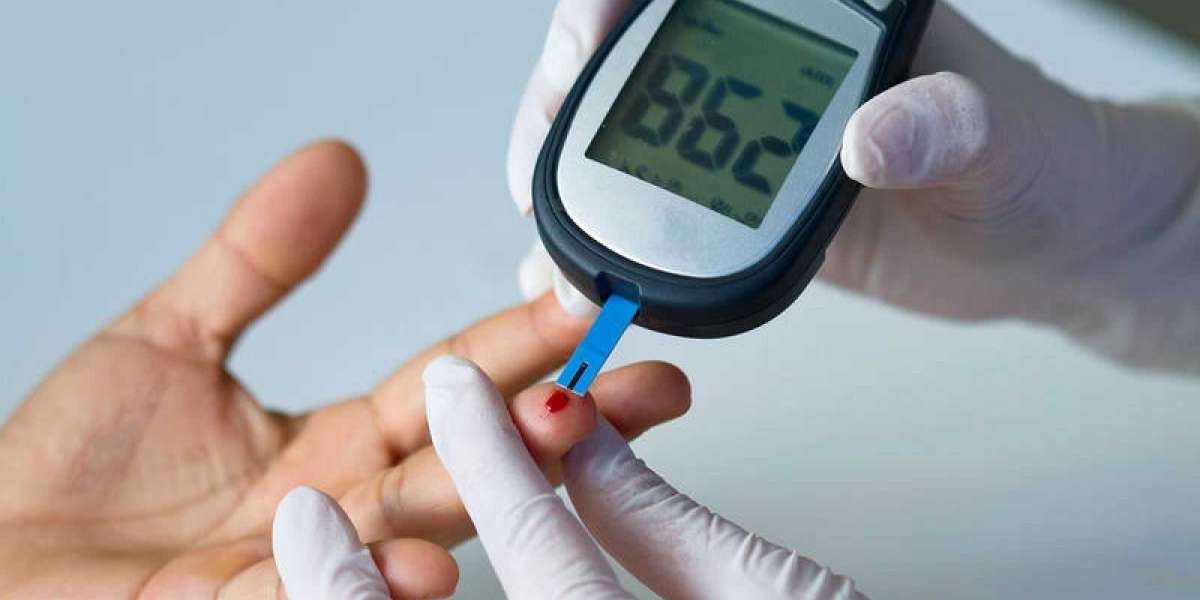

A Blood Sugar Test provides a measurement of glucose in the bloodstream at a particular point in time. Glucose is necessary for energy, but the body needs to regulate it carefully to maintain normal functions. A blood glucose result can provide useful information about how your body is managing sugar and whether additional evaluation may be appropriate.
For people looking for convenient healthcare options, a Blood test in Dubai can help with glucose monitoring and routine health assessments. Depending on your circumstances, testing may be performed while fasting, at a random time, or after eating. The result should always be interpreted according to the specific test and your overall health rather than by looking at the number alone.
What Does a Blood Sugar Test Measure?
A Blood Sugar Test measures the concentration of glucose in a blood sample. Glucose mainly comes from carbohydrates in food and provides energy to cells throughout the body.
Insulin is an important hormone involved in glucose regulation. It helps glucose move from the bloodstream into cells where it can be used for energy. When insulin production or insulin sensitivity is affected, glucose levels may become elevated.
The result of a glucose test gives your healthcare professional one piece of information about your health. Your symptoms, medications, medical history, lifestyle, and previous results may also be considered.
Why Are Blood Sugar Results Important?
Blood glucose results can help identify whether glucose levels appear to be within an expected range or require further assessment.
Testing may be recommended for routine diabetes screening, investigation of symptoms, or monitoring of an existing diagnosis. It can also help healthcare professionals track changes over time.
Some people with elevated glucose may not experience noticeable symptoms. This is one reason appropriate screening can be useful, especially for individuals with diabetes risk factors.
Understanding Fasting Blood Sugar Results
A fasting glucose test is performed after you have avoided food for a specified period, commonly overnight.
Because food affects blood glucose, fasting helps create a more standardized condition for measurement. Your healthcare provider will tell you how long you should fast and whether water or regular medications are permitted.
Why Fasting Results Matter
Fasting glucose can provide information about how your body manages glucose when food has not recently influenced your bloodstream.
If a fasting result is outside the expected range, your doctor may recommend repeat testing or another form of glucose assessment before determining what it means.
Understanding Random Blood Sugar Results
A random glucose test can be performed at different times of day and generally does not require fasting.
Because the result can be affected by recent meals, physical activity, stress, and other factors, it must be interpreted in context.
Random testing can be useful when someone has symptoms and a healthcare professional wants to assess their glucose without waiting for a fasting period.
What Does a Post-Meal Result Mean?
Blood glucose normally increases after eating because carbohydrates are converted into glucose and absorbed into the bloodstream.
A post-meal glucose test measures blood sugar after food and can help show how the body responds to a meal.
The timing of the sample is important. Your healthcare provider will explain when the test should be performed and how the result should be interpreted.
Does One Abnormal Result Mean Diabetes?
Not necessarily. A single abnormal Blood Sugar Test result does not automatically confirm diabetes.
Glucose can be affected by many temporary circumstances. Stress, illness, recent food intake, intense exercise, dehydration, and certain medications can influence blood sugar.
If a result is unexpected, your healthcare professional may recommend repeating the measurement or performing another test such as HbA1c or an oral glucose tolerance test.
A diagnosis should be made by a qualified healthcare professional using appropriate clinical information.
The Role of HbA1c Testing
HbA1c is commonly used to assess longer-term blood glucose patterns. While a standard glucose test shows the blood sugar level at the time of testing, HbA1c provides an estimate of average glucose levels over approximately the previous two to three months.
This difference makes HbA1c useful in situations where a healthcare professional wants information about longer-term glucose control.
Depending on your symptoms and risk factors, your doctor may use HbA1c alone or alongside other glucose measurements.
Symptoms That May Lead to Blood Sugar Testing
Certain symptoms may prompt a healthcare professional to recommend glucose testing. These can include excessive thirst, frequent urination, persistent fatigue, blurred vision, increased hunger, or unexplained weight changes.
However, these symptoms can occur with many different conditions. They should not be used to diagnose diabetes without appropriate testing.
If symptoms persist, become severe, or interfere with daily activities, professional medical assessment is recommended.
Who May Need Regular Blood Glucose Monitoring?
People who have been diagnosed with diabetes may need regular glucose monitoring as part of their treatment plan.
Individuals with diabetes risk factors may also be advised to undergo periodic screening. Risk factors can include a family history of diabetes, excess body weight, high blood pressure, abnormal cholesterol, and limited physical activity.
Your healthcare professional can determine the appropriate testing schedule based on your individual circumstances.
Factors That Can Affect Your Results
Blood glucose is influenced by several aspects of daily life.
Food and beverages can significantly affect glucose levels, particularly around mealtimes. Exercise can alter glucose use by the muscles, while stress can cause temporary hormonal changes that influence blood sugar.
Illness can also affect glucose regulation. Some medications may increase or decrease glucose levels as well.
For this reason, it is useful to tell your healthcare professional about recent illness, medications, major dietary changes, or unusual physical activity when discussing your results.
How to Prepare for Testing
The preparation required depends on the type of Blood Sugar Test you are having.
If you have been instructed to fast, follow the recommended fasting period. Ask your healthcare provider whether you can drink water and how you should manage regular medications.
Do not stop prescribed medication unless you have been specifically advised to do so.
Following instructions carefully can help ensure that your test provides useful information.
High Blood Sugar Results
High blood sugar is called hyperglycemia. It can occur when the body does not have sufficient insulin or cannot use insulin effectively.
Possible symptoms include increased thirst, frequent urination, fatigue, and blurred vision. Persistent elevated glucose can increase the risk of health complications and should be professionally assessed.
If you repeatedly receive high readings, discuss them with your healthcare provider.
Low Blood Sugar Results
Low blood sugar is known as hypoglycemia. It may cause sweating, trembling, dizziness, hunger, weakness, confusion, or difficulty concentrating.
People taking certain diabetes medications may be more likely to experience low glucose.
Severe symptoms, particularly fainting or significant confusion, require urgent medical attention.
Supporting Healthy Glucose Levels
Healthy lifestyle habits can contribute to better glucose management. Eating balanced meals, maintaining appropriate portions, staying physically active, getting adequate sleep, and managing stress can support overall health.
Reducing excessive intake of sugary drinks and highly processed foods may also be useful for many people.
However, people with diabetes should follow their individualized nutritional and treatment plan rather than making significant changes without professional guidance.
When Should You Contact a Healthcare Professional?
You should discuss your glucose results with a healthcare professional if they are repeatedly outside the expected range, if you have concerning symptoms, or if you have significant risk factors for diabetes.
If you have already been diagnosed with diabetes, follow your healthcare team's recommendations for monitoring and treatment.
Seek urgent medical care for severe symptoms such as fainting, serious confusion, or extreme weakness.
Final Thoughts
Knowing what Blood Sugar Test results mean can help you understand your health information more confidently. The interpretation depends on the type of test, timing, preparation, symptoms, medical history, and other individual factors. A result that appears unusual does not necessarily confirm a medical condition, and additional testing may sometimes be needed. By following professional testing recommendations and discussing your results with a qualified healthcare provider, you can gain a clearer understanding of your glucose levels and take appropriate steps toward maintaining better health.