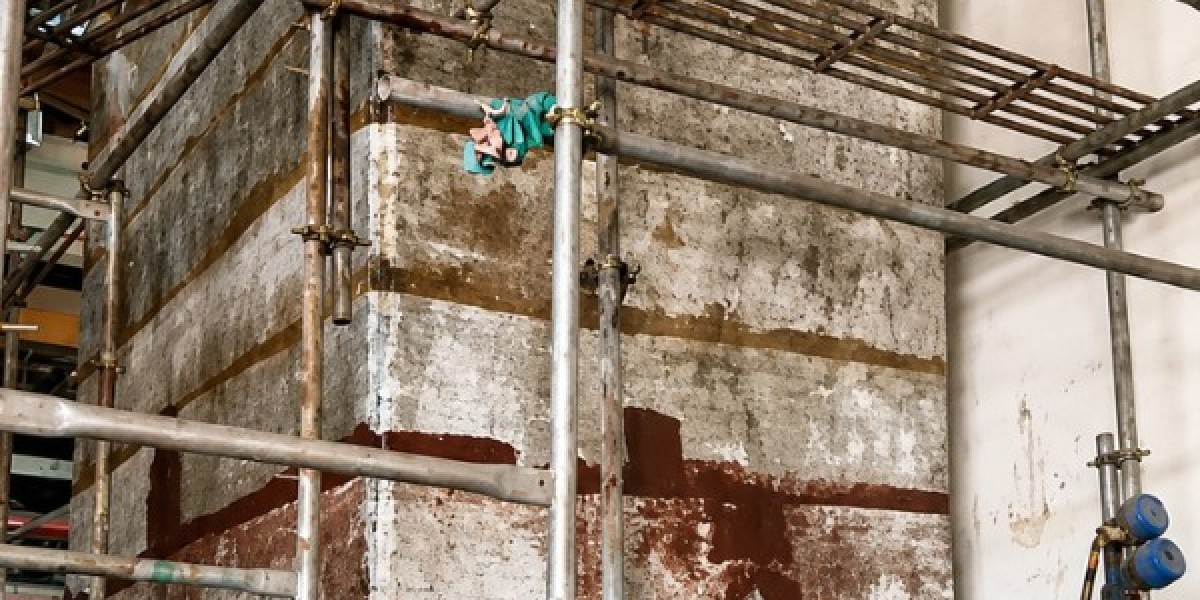

Retrofitting is an engineered process used to improve the strength, safety, durability, and performance of an existing structure. Buildings, industrial facilities, bridges, and other concrete structures can deteriorate because of aging, corrosion, increased loading, environmental exposure, seismic requirements, or construction deficiencies. Instead of demolishing the entire structure, retrofitting services provide targeted strengthening solutions that help restore structural performance and extend its useful service life.
What Is Retrofitting?
Retrofitting involves modifying and strengthening an existing structure to improve its ability to perform under present or future requirements. The process may be necessary when a building no longer meets operational demands, shows signs of structural deterioration, or requires improved load-bearing capacity. Depending on engineering requirements, retrofitting may involve strengthening columns, beams, slabs, foundations, or other structural elements using carefully selected repair and strengthening techniques.
Why Do Existing Structures Need Retrofitting?
Structures are exposed to continuous stress throughout their operational life. Environmental conditions, moisture penetration, reinforcement corrosion, chemical exposure, vibration, and excessive loading can gradually affect structural components. Changes in building usage may also increase load requirements beyond the original design capacity. Retrofitting helps address these concerns by improving structural performance without requiring complete reconstruction, making it an important solution for ageing commercial, industrial, and infrastructure assets.
Common Signs That a Structure May Require Retrofitting
Visible cracks, concrete spalling, exposed reinforcement, excessive deflection, corrosion, and water-related deterioration can indicate potential structural problems. However, visible damage alone does not always determine the actual condition of a structure. A proper engineering assessment is required to identify the cause and severity of deterioration. Structural retrofitting contractors evaluate the affected elements and recommend suitable strengthening methods based on the structure's actual condition and performance requirements.
The Importance of Structural Assessment Before Retrofitting
A successful retrofitting project begins with a detailed structural assessment. Engineers examine the existing condition of the structure and identify the causes of deterioration or inadequate performance. The assessment may include visual inspection, structural analysis, material evaluation, and other diagnostic methods. This information helps engineers determine whether the structure requires repair, rehabilitation, strengthening, or a comprehensive retrofitting solution for long-term performance improvement.
Retrofitting for Ageing Buildings
Many older buildings continue to serve residential, commercial, institutional, and industrial purposes despite being designed according to earlier requirements. Over time, their structural performance may need improvement because of ageing materials, changing occupancy, or increased loading. Retrofitting of buildings can strengthen critical structural elements while preserving the existing asset. This approach can be more practical than demolition when the basic structure remains suitable for rehabilitation.
Retrofitting for Increased Load Capacity
A building may require strengthening when its intended use changes. For example, converting a commercial space into an industrial facility or installing heavy machinery can increase structural loading. Additional floors, equipment, storage systems, and operational modifications can also affect existing structural elements. Retrofitting services help engineers improve the capacity of columns, beams, slabs, and foundations where required through properly designed strengthening systems.
Concrete Jacketing as a Retrofitting Method
Concrete jacketing is commonly used to strengthen existing reinforced concrete members. The process generally involves increasing the size and capacity of structural elements through additional reinforcement and concrete or specialised repair materials. It can improve the strength and stiffness of damaged or underperforming columns and other components. Proper surface preparation, reinforcement detailing, material selection, and engineering design are essential for achieving effective results.
Steel Jacketing for Structural Strengthening
Steel jacketing is another strengthening technique used for selected structural applications. Steel components are introduced around existing members to improve their load-carrying capacity and structural performance. The technique can be considered where rapid strengthening or specific engineering requirements make steel systems suitable. Retrofitting contractors must carefully evaluate connection details, corrosion protection, load transfer, and compatibility with the existing structure before implementing this method.
Carbon Fiber Wrapping in Retrofitting
Carbon fiber wrapping has become an important solution for strengthening existing concrete structures. Carbon fibre reinforced polymer systems can improve the performance of structural members without significantly increasing their weight or dimensions. They are commonly considered for columns, beams, and slabs requiring flexural, shear, or confinement strengthening. Proper design and application are important because the effectiveness of carbon fiber strengthening depends on structural conditions and engineering requirements.
FRP Systems for Structural Retrofitting
FRP strengthening systems provide another modern option for retrofitting and rehabilitation projects. Fibre reinforced materials can be used to improve the performance of existing structural elements while causing relatively limited changes to the building's dimensions. Their lightweight nature can make them useful where conventional strengthening methods are difficult to implement. The selected FRP system should always be based on engineering calculations and site-specific structural requirements.
Retrofitting Columns and Beams
Columns and beams are critical components responsible for transferring structural loads. Damage, corrosion, inadequate reinforcement, or increased operational requirements can affect their performance. Retrofitting of columns and beams may involve concrete jacketing, steel strengthening, carbon fiber wrapping, or other engineered techniques. The appropriate solution depends on the type of deficiency identified during structural evaluation and the required improvement in capacity.
Slab Strengthening Through Retrofitting
Slabs may require strengthening because of increased loading, excessive deflection, structural modifications, or deterioration. Industrial buildings often experience changing operational requirements that place additional demands on existing floor systems. Retrofitting contractors evaluate the slab condition, reinforcement details, loading requirements, and supporting structural elements before selecting a suitable strengthening approach. A properly designed solution improves performance while considering the overall behaviour of the structure.
Seismic Retrofitting of Structures
Structures located in areas exposed to seismic activity may require improved earthquake resistance. Seismic retrofitting focuses on enhancing the ability of a structure to withstand earthquake forces and reduce the risk of serious structural damage. Depending on the building configuration and structural system, strengthening may involve improving ductility, increasing lateral resistance, strengthening connections, or modifying structural elements to achieve better seismic performance.
Retrofitting and Concrete Rehabilitation
Retrofitting and concrete rehabilitation are closely connected but serve different purposes. Concrete rehabilitation primarily focuses on restoring deteriorated materials and damaged areas, while retrofitting improves the overall structural performance beyond basic repair requirements. In many projects, concrete repair is completed before strengthening work begins. Addressing damaged concrete and corrosion helps create suitable conditions for implementing long-term structural strengthening solutions.
The Role of Corrosion Control in Retrofitting
Reinforcement corrosion is one of the major causes of concrete deterioration. When steel reinforcement corrodes, it can expand and cause cracking, spalling, and loss of structural capacity. Simply repairing the visible concrete may not solve the underlying problem if corrosion continues. Effective retrofitting projects often include corrosion assessment and protection measures to help improve durability and protect the strengthened structure from future deterioration.
Why Choosing Experienced Retrofitting Contractors Matters
Retrofitting is not a standard construction activity that can be completed using the same approach for every structure. Each project has different loading conditions, deterioration patterns, material properties, and operational requirements. Experienced retrofitting contractors begin by understanding the actual structural problem before recommending solutions. Proper engineering, qualified execution teams, quality materials, and systematic project planning are essential for achieving reliable strengthening results.
How Retrofitting Contractors Approach a Project
Professional retrofitting contractors generally follow a structured process that begins with site inspection and technical assessment. After identifying structural deficiencies, engineers develop an appropriate strengthening methodology. Material selection, execution planning, safety procedures, and quality control are then considered before work begins. During execution, the condition of the structure and the completed strengthening work should be monitored to ensure the solution performs according to project requirements.
Benefits of Retrofitting Existing Structures
Retrofitting offers several advantages for property owners and infrastructure managers. It can improve structural safety, increase load-bearing capacity, extend service life, and support changing operational requirements. It may also reduce the need for complete demolition and reconstruction in suitable cases. By preserving the existing structure and strengthening critical components, retrofitting can provide an efficient approach to managing ageing buildings and infrastructure.
Retrofitting for Industrial Structures
Industrial structures operate under demanding conditions involving machinery loads, vibration, chemical exposure, temperature changes, and continuous operations. These factors can contribute to structural deterioration over time. Retrofitting services for industrial facilities require careful planning because strengthening work may need to be performed while considering production schedules and operational safety. The selected methodology should address both structural requirements and practical execution conditions.
Retrofitting Commercial and Institutional Buildings
Commercial complexes, educational institutions, hospitals, and office buildings may require retrofitting because of ageing, increased occupancy, structural modifications, or changing safety requirements. These projects require detailed planning to minimise disruption to occupants and daily activities. Structural strengthening can help improve the performance of important components while allowing the existing building to continue serving its intended purpose for a longer period.
Retrofitting Infrastructure Structures
Infrastructure assets such as bridges, jetties, tunnels, dams, and other concrete structures are exposed to demanding environmental and operational conditions. Continuous loading, water exposure, corrosion, and ageing can affect their long-term durability. Retrofitting helps improve structural performance and extend service life through targeted strengthening and rehabilitation methods. Infrastructure projects require specialised engineering because of their scale, environmental exposure, and operational importance.
Repair, Rehabilitation, or Retrofitting: What Is the Difference?
Structural repair generally addresses specific defects or damaged areas, while rehabilitation focuses on restoring a structure to an acceptable level of performance and durability. Retrofitting goes further by modifying or strengthening the existing structure to meet improved performance requirements. The right approach depends on the findings of a structural assessment. Using the wrong solution can result in temporary improvements without addressing the current structural requirement.
Factors That Affect the Cost of Retrofitting
The cost of retrofitting depends on several project-specific factors. These include the extent of structural damage, accessibility, building size, required strengthening capacity, selected materials, and complexity of execution. Industrial and operational environments may require additional planning and safety measures. A detailed structural assessment and engineering methodology provide a clearer understanding of the work required before estimating the overall project scope and investment.
Why Temporary Repairs Are Not Enough
Surface-level repairs may improve the appearance of damaged concrete, but they do not always restore structural capacity. If cracks, corrosion, overloading, or design deficiencies are responsible for the problem, cosmetic treatment alone may allow deterioration to continue. Retrofitting focuses on understanding the root cause and improving structural performance where necessary. This engineering-based approach helps create more durable and reliable long-term solutions.
How to Choose the Right Retrofitting Service Provider
When selecting a company for retrofitting services, property owners should consider technical experience, engineering capability, previous project expertise, safety practices, and the ability to provide site-specific solutions. A reliable contractor should avoid recommending generic strengthening methods without proper assessment. The quality of structural retrofitting depends significantly on correct diagnosis, suitable design, material quality, and controlled execution throughout the project.
Professional for Retrofitting Services
For building owners, industrial facilities, and infrastructure managers facing structural deterioration or changing performance requirements, professional evaluation should be the first step. Gubbi Civil Engineers Limited provides specialized structural repair, rehabilitation, and strengthening solutions for different types of structures. A properly planned assessment and engineered methodology can help identify the most suitable retrofitting approach while focusing on structural safety, durability, operational requirements, and long-term performance. Retrofitting is an important engineering solution for improving the safety, strength, and service life of existing structures.
Whether a building requires increased load capacity, corrosion-related strengthening, seismic improvement, or rehabilitation of aging concrete, the solution should always begin with a detailed technical assessment. Choosing suitable retrofitting methods and experienced professionals helps ensure that strengthening work addresses current structural requirements rather than providing only temporary repairs.