
Keeping employees fueled during a busy workday can be challenging, particularly for Missouri businesses with early-morning starts, evening shifts, overnight operations, or employees who spend most of their time away from a traditional office setting.
Manufacturing facilities, warehouses, distribution centers, healthcare organizations, construction companies, and large office operations all face a similar challenge: employees need convenient access to food and beverages, but traditional lunch breaks do not always align with normal restaurant or cafeteria hours.
A thoughtfully designed workplace refreshment program can solve much of that problem. By combining practical food choices, reliable access, flexible service, and a break-room environment employees actually want to use, businesses can make refreshments more convenient without creating additional administrative work.
Why Multi-Shift Workplaces Need a Different Approach
A workplace operating from 8 a.m. to 5 p.m. has relatively predictable refreshment needs. A facility operating around the clock is different.
Employees arriving for a 6 a.m. shift may need breakfast. Someone working through the afternoon may want a substantial snack, while an overnight employee could need a meal when nearby restaurants are closed.
Shift schedules can also influence when employees take breaks and what types of products they prefer. Businesses should therefore avoid designing their refreshment program around a single schedule.
Resources from the U.S. Department of Labor on hours worked and breaks can help employers understand broader considerations surrounding workplace schedules and break practices.
The practical lesson is simple: refreshments should be available when employees need them, not only when an office manager happens to be working.
Create an All-Day Beverage Selection
Drinks are often among the most frequently purchased workplace refreshments, making beverage variety an important starting point.
A well-stocked program can include:
- Bottled water
- Sparkling water
- Juice
- Sports and electrolyte beverages
- Coffee
- Tea
- Low- or no-sugar drinks
- Traditional soft drinks
Water should be especially easy to access. Employees working in physically demanding environments or warm conditions may have greater fluid needs than employees working at desks.
Businesses can also consider providing reusable cups or encouraging refillable water bottles where appropriate. The objective is to make hydration convenient throughout the shift rather than treating beverages as an occasional amenity.
Offer Breakfast for Early-Shift Employees
Breakfast options can be particularly useful for businesses with employees arriving before traditional dining establishments open.
Instead of limiting vending selections to afternoon snacks, companies can consider products such as:
- Granola bars
- Oatmeal
- Breakfast sandwiches
- Whole-grain pastries
- Yogurt
- Fruit
- Nuts
- Protein bars
- Coffee and tea
Not every workplace needs all of these choices. The best selection depends on employee demand and available equipment.
A simple combination of coffee, water, and several filling breakfast items may be enough for a smaller facility, while a large distribution center might justify a much broader program.
Build a Better Mix of Snacks
Snacks should provide variety rather than simply filling machines with the cheapest or most familiar products.
A balanced selection can include traditional favorites alongside options such as nuts, trail mix, whole-grain crackers, dried fruit, protein bars, and other convenient foods.
Businesses can use established nutrition guidance when developing their selections. The Harvard T.H. Chan School of Public Health Healthy Eating Plate offers a practical framework for thinking about food variety and balanced eating.
This does not mean employees need to be restricted to specific foods. Instead, offering different options allows individuals to choose refreshments that fit their preferences and needs.
Don't Forget Substantial Meal Options
Employees working long shifts may need more than a quick snack.
If the workplace has enough demand, businesses can explore refrigerated sandwiches, wraps, salads, prepared meals, breakfast foods, or other ready-to-eat products.
This can be particularly useful for facilities located away from restaurants or businesses where employees cannot easily leave during breaks.
Fresh-food programs do require additional considerations, including refrigeration, inventory rotation, sanitation, and appropriate product handling. Companies should work with service providers that can clearly explain how perishable inventory is managed.
Make Refreshments Available Around the Clock
For multi-shift operations, availability is just as important as selection.
A vending machine or micro market that is fully stocked during the day but nearly empty overnight does not provide an effective employee amenity.
Businesses should look at actual consumption patterns when determining restocking schedules. If the overnight shift regularly purchases certain drinks or meals, those products should be available in sufficient quantities rather than being treated as secondary inventory.
Automated and self-service options can be particularly useful because employees can access them without waiting for a cafeteria or staffed food counter to open.
Choose Workplace Refreshment Solutions That Match Demand
Different workplaces require different levels of infrastructure.
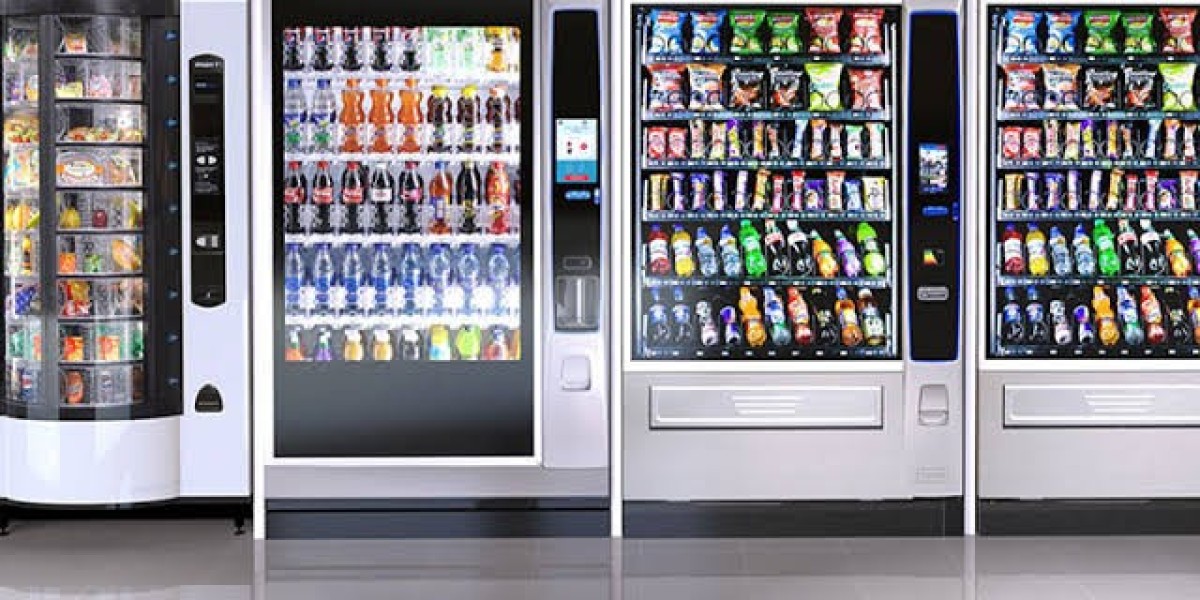
A small office might need only one snack machine and one beverage machine. A large industrial facility could benefit from several machines, refrigerated food equipment, coffee service, or a micro market.
When evaluating workplace refreshment solutions , businesses should consider employee headcount, shift patterns, available floor space, purchasing volume, product preferences, and service requirements rather than selecting equipment based solely on its appearance.
The right setup should make refreshments easier to access without taking up unnecessary space or creating additional work for employees.
Use Cashless Payment Options
Payment convenience is particularly important for workers who may not carry cash.
Modern vending equipment can support card and contactless payment methods, allowing employees to purchase refreshments quickly during short breaks.
This is especially useful when employees have only a few minutes available. Searching for coins or leaving the property to find an ATM can turn a convenient snack purchase into an unnecessary interruption.
Businesses should ask prospective providers which payment methods are supported and how payment-related problems are handled.
Design the Break Room Around Short Breaks
A workplace refreshment program should account for the reality of employee breaks.
Workers may have limited time to walk to the break room, choose a product, complete a purchase, and return to their work area. Equipment should therefore be positioned somewhere accessible and easy to navigate.
The surrounding space should also be clean and organized. Useful additions can include:
- Comfortable seating
- Tables or counters
- Microwaves
- Refrigerators
- Trash and recycling containers
- Adequate lighting
- Clear space around vending equipment
Even small improvements can make the break room feel more intentional and useful.
Give Employees More Choice Without Creating Waste
More products are not automatically better. Excess inventory can lead to expired items, wasted money, and unnecessary clutter.
Businesses should monitor which products sell consistently and which selections remain untouched. Employee surveys can also provide useful information about products people would actually like to purchase.
Seasonal changes are worth considering as well. Cold beverages may become more popular during Missouri's warmer months, while coffee, hot drinks, and hearty snacks may see stronger demand during colder periods.
The goal should be a responsive inventory rather than a permanently fixed product list.
Consider Fresh Food Carefully
Fresh food can make a workplace refreshment program substantially more useful, but it requires more careful management than packaged snacks.
Businesses should establish clear expectations regarding:
- Refrigeration
- Product expiration
- Inventory rotation
- Equipment cleaning
- Restocking
- Food handling
- Removal of unsold perishables
This is especially important in facilities where employees depend on the workplace for meals because nearby food options are limited.
A reliable refreshment provider should be able to explain how these responsibilities are handled before the business commits to a program.
Ask Employees What They Actually Want
Employee feedback is one of the simplest ways to improve a workplace food program.
A short survey can ask employees about their preferred beverages, snacks, breakfast foods, meals, coffee choices, and payment methods. Businesses can also ask whether employees would prefer traditional vending, refrigerated food, or a larger self-service market.
Feedback should not end after installation. Reviewing sales patterns and periodically asking employees for suggestions can help keep the selection relevant.
This approach also prevents businesses from investing heavily in products that look good on paper but rarely sell.
Keep the Program Easy for Management
The best refreshment program should reduce inconvenience rather than create it.
If an office manager has to remember when machines need restocking, purchase replacement products, troubleshoot payment problems, and contact technicians whenever equipment fails, the program can become an unwanted administrative responsibility.
Businesses should therefore evaluate the service behind the equipment. Questions worth asking providers include:
- How often are machines restocked?
- Who handles maintenance?
- How quickly are problems addressed?
- Can product selections be customized?
- Are fresh and refrigerated foods available?
- What payment technologies are supported?
- Can the service scale if the workforce grows?
A provider that handles these details can allow employees to enjoy the convenience without placing the responsibility on internal staff.