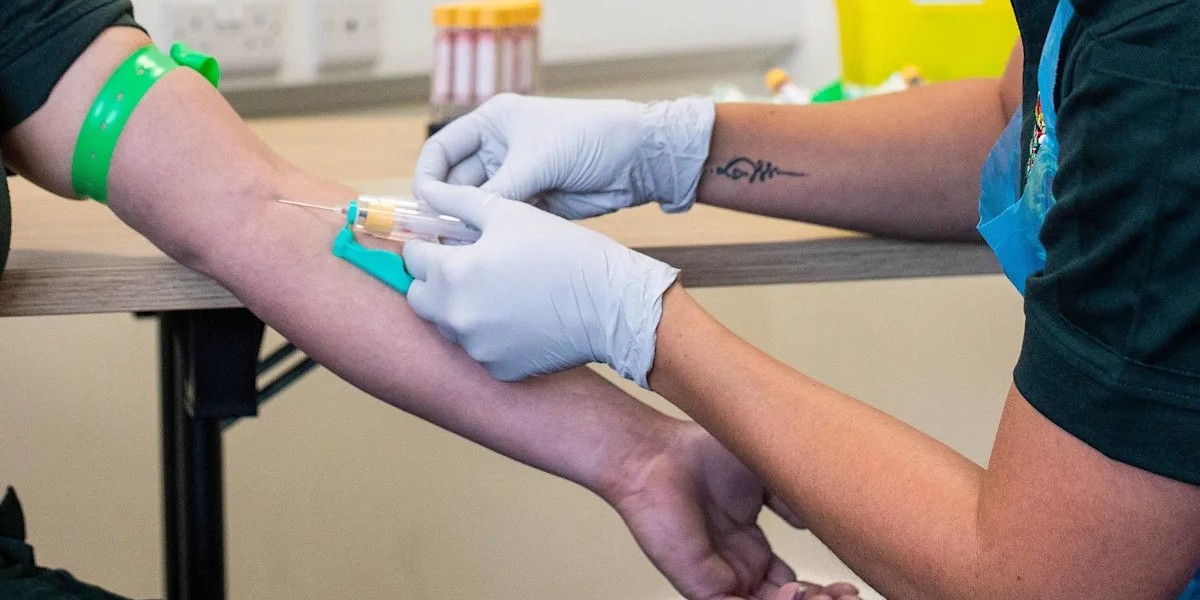

Preparing for a full blood test can raise a surprisingly common question: should you eat normally, choose a particular meal, or avoid food completely before your appointment?
The answer depends on the Full Blood Test in Dubai being performed. Some tests are not affected significantly by a recent meal, while others may require fasting or specific preparation. A complete blood count, for example, generally does not require fasting on its own, whereas certain blood glucose or lipid tests may have different instructions.
Rather than changing your diet unnecessarily, the best approach is to understand the tests being ordered and follow the preparation instructions provided by your healthcare professional or laboratory.
Why Does Food Matter Before a Blood Test?
After you eat, your body begins digesting and absorbing nutrients. This can temporarily change substances circulating in your bloodstream.
Depending on the meal, food intake may influence measurements such as:
- Blood glucose
- Triglycerides
- Some metabolic markers
- Certain nutrient-related measurements
- Other laboratory values affected by recent food intake
This does not mean you need to avoid food before every blood test. It simply means that some tests require controlled preparation to make the results easier to interpret.
A "full blood test" is also not one standardized test. It can involve several investigations selected according to your symptoms, medical history, age, medications, and health risks.
First, Find Out Whether You Need to Fast:
Before deciding what to eat, determine whether fasting is actually required.
A complete blood count (CBC) generally does not require fasting. It evaluates red blood cells, hemoglobin, white blood cells, platelets, and related measurements.
HbA1c also generally does not require fasting because it reflects average blood glucose over approximately the previous two to three months.
On the other hand, a fasting blood glucose test specifically requires a fasting sample. Some lipid testing may also have particular preparation instructions depending on why the test is being performed.
If your healthcare professional has instructed you to fast, follow those instructions even if you normally eat breakfast before medical appointments.
What Can You Eat Before a Non-Fasting Blood Test?
If fasting is not required, there is generally no special meal that you need to eat.
A sensible option is to follow your usual eating pattern unless your healthcare professional has provided dietary instructions.
A balanced meal might include:
- Whole grains
- Eggs or another protein source
- Vegetables
- Fruit
- Plain yogurt
- Other familiar foods that you normally tolerate
The purpose of a routine blood test is to assess your health under appropriate conditions, not to temporarily alter your diet to produce a particular result.
Avoid making dramatic dietary changes immediately before testing unless specifically instructed to do so.
What Foods Should You Avoid Before Testing?
When fasting is not required, you usually do not need to avoid specific foods simply because you are having blood work.
However, if your healthcare professional has given you dietary restrictions, those instructions should take priority.
If fasting is required, the issue changes. During the fasting period, you should generally avoid food altogether rather than selecting "safe" foods.
This includes foods that may seem light, such as:
- Fruit
- Toast
- Cereal
- Biscuits
- Yogurt
- Milk
- Snacks
- Protein bars
Even a small meal can interfere with tests that specifically require fasting.
What About Fatty Foods Before a Blood Test?
Large, high-fat meals can temporarily increase triglyceride levels in the bloodstream.
If you are having lipid testing and have been given specific instructions about fasting or dietary preparation, follow them carefully.
Even when fasting is not required for a particular lipid assessment, it may still be sensible to avoid an unusually heavy meal immediately before testing if your healthcare provider has recommended normal preparation.
Do not try to manipulate cholesterol or triglyceride results by avoiding fat for several days before your appointment. The goal is accurate health assessment rather than obtaining a better-looking number.
Can You Eat Sugar Before a Blood Glucose Test?
If you are having a fasting blood glucose test, eating sugary foods before the sample can raise blood glucose and invalidate the fasting measurement.
Foods and drinks that contain carbohydrates or calories should therefore be avoided during the specified fasting period.
If you are not required to fast, you should still follow any specific instructions given for your glucose test.
If you have diabetes or take medication that lowers blood glucose, never create your own fasting plan without professional guidance.
Is Fruit Safe Before Blood Testing?
Fruit is nutritious, but it still contains carbohydrates and calories.
If fasting is required, eating fruit means you are no longer fasting.
If fasting is not required, there is generally no reason to avoid fruit simply because you are having a blood test, unless your healthcare professional has given different dietary instructions.
This distinction is important because a healthy food is not necessarily appropriate during a required fasting period.
Can You Drink Water Before a Full Blood Test?
For most fasting blood tests, plain water is generally permitted unless your healthcare professional or laboratory has instructed you otherwise.
Drinking enough water can help prevent dehydration and may make blood collection easier.
Choose plain water rather than beverages containing calories.
People who have been told to restrict fluids because of a medical condition should follow their healthcare team's instructions instead.
What About Coffee Before a Blood Test?
Coffee can be problematic when you have been instructed to fast.
Black coffee contains very few calories, but caffeine and other components may affect certain physiological measurements. Coffee with milk, cream, sugar, or flavored syrups also clearly introduces calories.
If your instructions say to have nothing except water during fasting, follow that instruction.
It is usually simplest to postpone your morning coffee until after the blood sample has been collected.
Can You Drink Tea?
The same principle applies to tea.
Plain tea may contain little or no calories depending on how it is prepared, but if your laboratory has instructed you to consume only water during fasting, tea should be avoided.
Milk, sugar, honey, and other additions definitely introduce calories.
When instructions are unclear, ask the laboratory rather than making assumptions.
What About Juice and Soft Drinks?
Fruit juice, soft drinks, energy drinks, and other sweetened beverages should generally be avoided during a fasting period.
Although juice may seem healthier than soda, it still contains naturally occurring sugars and calories that can affect certain blood measurements.
During fasting, plain water is the safest default unless your healthcare team has provided different instructions.
Should You Avoid Alcohol Before Blood Testing?
Alcohol can influence several laboratory measurements, including some related to liver function, triglycerides, and glucose metabolism.
If you have been specifically told to avoid alcohol before testing, follow the instruction.
It is also useful to tell your healthcare professional about alcohol consumption when it is relevant to interpreting your health or laboratory results.
Do not attempt to compensate for regular alcohol consumption by suddenly changing your habits immediately before a test. Accurate medical information is more valuable than trying to influence an individual result.
What About Vitamins and Supplements?
Some vitamins and supplements can affect laboratory results.
For example, certain supplements may interfere with particular hormone or biochemical assays.
Iron supplements can also be relevant when evaluating iron status, while other nutritional products may affect specific tests.
Tell your healthcare professional about everything you take, including:
- Multivitamins
- Iron
- Vitamin D
- Vitamin B12
- Herbal supplements
- Sports supplements
- Over-the-counter products
Do not stop prescribed medication or medically recommended supplements unless you have been instructed to do so.
Should You Take Your Regular Medication?
Never assume that fasting means you should skip your medication.
Some medicines should be taken as normal, while others may need to be taken at a particular time or with food.
This is especially important for medications that affect blood glucose, blood pressure, thyroid function, or other conditions.
Ask your healthcare professional for specific instructions before the appointment.
If you take several medications, prepare a complete list so the laboratory and medical team have accurate information.
What Should You Eat the Night Before a Blood Test?
If fasting is required the following morning, you can generally eat your normal evening meal until the fasting period begins, unless you have received different instructions.
A moderate, familiar meal is often more practical than an unusually large dinner.
For example, a balanced meal might contain vegetables, a source of protein, and a normal portion of carbohydrates.
There is no need to "prepare" for blood testing by overeating healthy foods or dramatically restricting calories.
Once the required fasting period begins, stop eating according to your instructions.
What If You Are Not Supposed to Fast?
If fasting is not required, do not fast simply because you believe it will make your blood test more accurate.
Unnecessary fasting can cause discomfort, weakness, headaches, or dizziness in some people.
It can also be particularly important to avoid unnecessary fasting if you have diabetes, take certain medications, are pregnant, or have another condition requiring individualized dietary management.
Your preparation should match the tests ordered.
Can Exercise Affect Your Blood Test?
Food is not the only factor that can influence laboratory results.
Intense exercise immediately before testing may affect certain blood markers, particularly those related to muscle activity and metabolism.
If your healthcare professional has advised you to avoid strenuous exercise before the test, follow those instructions.
For routine testing without specific restrictions, maintaining your usual activity level is generally different from performing an unusually intense workout shortly before the blood draw.
What If You Accidentally Eat Before a Fasting Test?
If you accidentally eat or drink something other than what is permitted during a fasting period, tell the healthcare professional or laboratory staff.
Do not hide the mistake.
Depending on the tests involved and what you consumed, the healthcare team may decide to proceed, interpret the results accordingly, or reschedule the test.
The correct response depends on the specific investigation.
What Should You Do After the Blood Test?
Once your sample has been collected, you can generally return to eating and drinking according to your normal routine unless you have been given other instructions.
If you have been fasting, consider bringing a small snack if you tend to feel lightheaded or hungry after blood collection.
A balanced post-test meal containing protein, carbohydrates, and fluids can be a practical choice.
If you feel faint, tell the healthcare staff and sit or lie down until you feel better.
A Simple Food and Drink Checklist:
Use this checklist to avoid common preparation mistakes:
If Fasting Is Required:
- Follow the exact fasting duration provided.
- Avoid food during the fasting period.
- Drink plain water unless instructed otherwise.
- Avoid juice and sweetened beverages.
- Avoid coffee and tea if the instructions specify water only.
- Ask before taking medications.
- Report accidental food or drink consumption.
If Fasting Is Not Required:
- Follow your normal eating pattern unless instructed otherwise.
- Stay hydrated.
- Avoid unusual dietary changes.
- Take medications according to professional guidance.
- Inform the healthcare team about supplements.
When Should You Ask for Individual Advice?
Some people should not follow generic fasting instructions without professional guidance.
Ask your healthcare professional if you:
- Have diabetes
- Take glucose-lowering medication
- Are pregnant
- Have a condition requiring regular meals
- Have a history of fainting during blood tests
- Have been told to restrict fluids
- Take multiple medications
- Are having specialized laboratory testing
Individual instructions are particularly important when several blood tests are being performed together.
Frequently Asked Questions:
Can I eat breakfast before a full blood test?
It depends on the tests included. A CBC generally does not require fasting, but some glucose tests and other investigations may. Follow the instructions provided for your specific blood work.
What is the best food to eat before a non-fasting blood test?
There is usually no special food required. A normal, balanced meal is generally appropriate unless your healthcare professional has given dietary instructions.
Can I drink water while fasting?
Plain water is generally permitted during many fasting blood tests unless you have been instructed otherwise.
Can I drink coffee before a fasting blood test?
If you have been instructed to consume only water, avoid coffee until after the blood sample is collected.
Should I stop taking vitamins before testing?
Not automatically. Tell your healthcare professional about your supplements and follow their specific instructions.
What happens if I accidentally eat before my blood test?
Inform the laboratory staff. They can determine whether the test can still be performed or whether it should be rescheduled.
Final Takeaway:
Knowing what to eat and avoid before a full blood Lab tests starts with one important question: does your specific testing require fasting?
A complete blood count generally does not require fasting, and HbA1c usually does not either. However, certain blood glucose tests and other investigations may have specific preparation requirements.
If fasting is required, avoid food and caloric beverages during the instructed period and generally choose plain water unless your healthcare professional says otherwise. Coffee, tea, juice, milk, soft drinks, and snacks may not be appropriate during fasting.
If fasting is not required, there is usually no need to restrict your diet unnecessarily. Eat normally, stay hydrated, and follow any specific instructions from your healthcare team.
Most importantly, do not stop prescribed medications or supplements without professional advice. When preparation instructions are unclear, contact the laboratory or healthcare professional before your appointment. Proper preparation helps ensure that your blood test results are reliable, meaningful, and easier for your healthcare team to interpret.