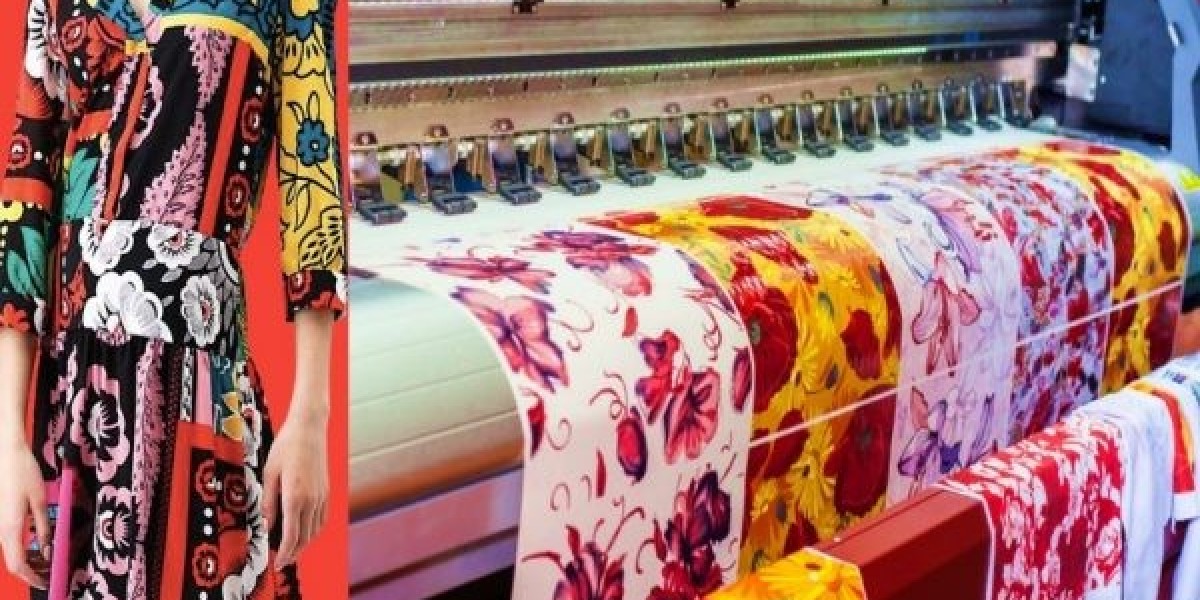

Digital printing on fabric is a textile printing method that uses digital artwork and specialized inkjet technology to place designs onto fabric. Instead of relying on physical screens or engraved rollers, the printer receives an electronic image and applies tiny droplets of ink to precise areas of the textile. This allows manufacturers to reproduce photographs, illustrations, logos, gradients, detailed patterns, and custom graphics with considerable design flexibility.
The use of Digital printing on fabric has grown across fashion, home furnishings, sportswear, advertising, interior decoration, and personalized textile products. It is particularly useful for sampling and short production runs because designs can be changed without preparing a completely new physical setup. At the same time, digital textile printing requires careful technical planning. Fabric composition, ink type, pretreatment, color management, fixation, drying, and finishing all influence the quality and durability of the finished product.
What Is Digital Printing on Fabric?
Digital textile printing is an inkjet-based process adapted specifically for textile materials. A digital artwork file is processed by specialized software, which controls how the printer places ink across the fabric.
In traditional screen printing, physical screens are prepared to transfer individual colors. Rotary printing uses engraved cylindrical screens. Digital printing works from the electronic artwork, making it easier to change designs, produce multiple versions, and handle complicated images.
However, digital printing does not use one universal ink for every material. Cotton, polyester, silk, viscose, nylon, linen, and blended fabrics have different properties. The printing technology must therefore be matched to the fiber and the intended use of the finished textile.
How Does Digital Printing on Fabric Work?
1. Artwork Preparation
The first step is creating or preparing the digital design. Artwork may include photographs, illustrations, logos, typography, geometric patterns, or repeating motifs.
The resolution of the file should match the intended print size. Enlarging a low-resolution image can cause pixelation and loss of detail. Thin lines and small text should also be checked because the fabric surface can soften very fine elements.
For repeating patterns, the artwork must be constructed carefully so that the edges connect without visible gaps or misalignment.
Color management is another important consideration. A computer monitor produces color using light, whereas fabric reflects light. The same color can therefore appear different on a screen and on the finished textile.
2. Fabric Selection
Fabric selection is closely connected to the printing method.
Polyester is commonly used with dye-sublimation printing. Cotton and other cellulose-based fibers are suitable for reactive dyes and certain pigment systems. Silk and nylon can require specialized dye technologies.
The fabric's weave and surface also affect print quality. Smooth, tightly woven textiles usually provide good definition. Textured fabrics may create a softer or less precise appearance.
The final product should be considered before selecting the fabric. Apparel, upholstery, sportswear, flags, curtains, and outdoor banners have different requirements for softness, strength, flexibility, and resistance to washing or environmental exposure.
3. Pretreatment
Some digital printing processes require pretreatment before the fabric is printed. Pretreatment prepares the textile surface for the selected ink.
It can help control ink absorption, improve color development, and produce sharper results. Uniform application is important because uneven pretreatment may lead to differences in color intensity or image quality.
4. Digital Printing
The prepared fabric is fed into a textile printer. Print heads move across the material while depositing very small droplets of ink.
The printer uses the digital file to determine where the ink should be placed and in what quantity. This allows complex artwork to be reproduced without preparing separate physical screens.
Printer calibration and maintenance are essential. Blocked nozzles can produce streaks or missing sections. Incorrect settings, fabric movement, or poor alignment can also affect image quality.
5. Fixation and Finishing
Once the design has been printed, the ink generally needs to be fixed to the fabric. The method depends on the ink technology and may involve heat, steam, or curing.
Some processes require washing after printing to remove excess or unfixed dye. The textile may then be dried and subjected to additional finishing.
Finishing can influence the softness, appearance, dimensional stability, and durability of the final material.
Types of Digital Printing on Fabric
Direct-to-Fabric Printing
Direct-to-fabric printing applies ink directly to the textile. The selected ink system must be compatible with the fiber.
It is suitable for many textile applications and eliminates the need for transfer paper in processes designed for direct application.
Dye-Sublimation Printing
Dye-sublimation is mainly used for polyester fabrics. In a common transfer process, the artwork is printed onto transfer paper before being transferred to the fabric using heat and pressure.
During heating, the dye changes into a gas and enters the polyester fibers. After cooling, the color is integrated into the material.
This method is widely used for sportswear, flags, banners, soft signage, and polyester-based decorative textiles.
Pigment Printing
Pigment printing uses colored particles that are held on the fabric surface with a binder.
It can be used with various textile fibers. Proper curing is essential because the binder needs to develop sufficiently to provide appropriate adhesion and durability.
Reactive Printing
Reactive printing is commonly used with cotton, viscose, and other cellulose-based fabrics. Reactive dyes form a chemical bond with suitable textile fibers.
The method can produce strong colors and good wash resistance when pretreatment, fixation, washing, and finishing are properly controlled.
Benefits of Digital Printing on Fabric
Detailed Artwork
Digital printing can reproduce photographs, gradients, illustrations, fine patterns, and complex graphics. Designers have greater freedom to create artwork with many colors and subtle tonal changes.
Efficient Sampling
A manufacturer can print a small sample before committing to a large production quantity. This allows the design to be evaluated for color, sharpness, scale, and overall appearance.
Changes can then be made to the digital artwork before production begins.
Small Production Quantities
Digital printing is well suited to prototypes, limited collections, custom orders, and short production runs.
This can be particularly useful for smaller businesses that need to test new designs without producing large quantities of inventory.
Personalization
Individual digital files can be created for different products. Names, numbers, logos, photographs, and other variable elements can be included in customized designs.
This makes digital textile printing useful for sports uniforms, personalized clothing, promotional merchandise, event products, and custom interior fabrics.
Flexible Design Changes
Digital artwork can be modified quickly. Designers can change colors, pattern sizes, graphics, and layouts without creating a new physical screen for every variation.
Practical Benefits and Key Insights
The performance of Digital printing on fabric depends on the compatibility of the entire production system.
Test Before Production
Always produce a physical sample before beginning a large order. Check color, image sharpness, pattern alignment, fabric shrinkage, hand feel, and durability.
If the product will be washed frequently, washing tests should be conducted under conditions similar to actual use.
Match Ink With Fiber
The fiber composition should be confirmed before choosing the ink system. Polyester, cotton, silk, and nylon can require different technologies.
Selecting the correct ink helps achieve suitable color development, adhesion, wash resistance, and appearance.
Control Color Carefully
Color consistency depends on printer calibration, color profiles, ink conditions, fabric characteristics, and finishing.
For important colors, especially those used in corporate branding, a physical print sample should be approved before full production.
Consider the End Application
The intended use should guide every technical decision. Clothing may need a soft surface and good wash resistance. Upholstery may require abrasion resistance. Outdoor textiles may need suitable resistance to sunlight and weather.
Common Challenges and Considerations
Color Differences
The same digital artwork may produce different colors on different fabrics. Fiber composition, weave, texture, pretreatment, ink, and finishing all influence the final appearance.
Cost
Digital printing can be economical for short runs, customized products, and highly detailed artwork. For certain large-volume orders, traditional screen or rotary printing may offer a lower cost per unit.
Durability
Durability depends on the fabric, ink, fixation method, and finishing. Products exposed to frequent washing, rubbing, or sunlight should be tested under realistic conditions.
Fabric Movement
The fabric must remain correctly positioned during printing. Wrinkles, stretching, and movement can cause distortion, streaking, or pattern misalignment.
Environmental Considerations
The environmental impact of digital textile printing depends on the specific technology and production process. Energy consumption, water use, pretreatment, washing, drying, curing, chemical use, and waste should all be considered.
Frequently Asked Questions
1. What fabrics can be used for digital printing?
Cotton, polyester, silk, viscose, linen, nylon, and many blended fabrics can be digitally printed. The appropriate process depends on the fiber composition and required performance.
2. Is digital printing on fabric good for small orders?
Yes. It is particularly useful for samples, prototypes, personalized products, limited collections, and short production runs.
3. Can photographs be printed on fabric?
Yes. Digital textile printers can reproduce photographs and detailed graphics when the original artwork has sufficient resolution and the printing system is suitable for the fabric.
4. Is digitally printed fabric durable?
It can be durable when the correct ink, fabric, fixation, and finishing process are used. The required level of durability should be verified through testing.
5. What is the difference between digital and screen printing?
Digital printing uses electronically controlled inkjet application, while screen printing transfers ink through prepared screens. Digital printing is particularly useful for detailed designs, personalization, sampling, and short runs, whereas screen printing can be advantageous for some high-volume production.
Conclusion
Digital printing on fabric has become an important textile production technology because it provides greater flexibility in design, sampling, customization, and short-run manufacturing. It can reproduce complex graphics, photographs, gradients, logos, and repeating patterns without the physical preparation required by many conventional printing methods.
The printing machine itself is only one part of the process. The fabric, ink system, artwork, pretreatment, color management, fixation, and finishing must work together to produce reliable results. By selecting compatible materials, testing samples, controlling color, and evaluating durability for the intended application, manufacturers and designers can use digital textile printing to create high-quality fabrics efficiently and consistently.