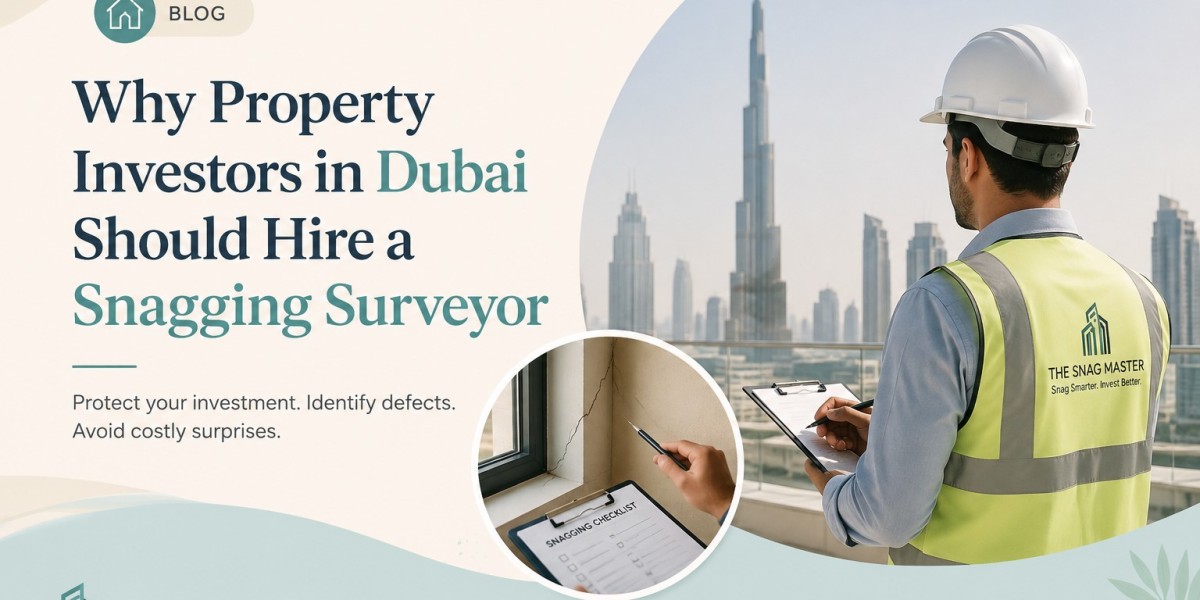

A professional property inspection Dubai service provides a systematic assessment of accessible areas and components, helping buyers identify potential problems before they become major concerns.
Why Hidden Defects Matter
Property defects are not always easy to spot during a standard viewing. Buyers may focus on the layout, finishes, location, and overall appearance while overlooking technical or installation-related issues.
Hidden or less obvious problems can include:
Water leaks
Poor drainage
Electrical defects
Cracked tiles
Uneven flooring
Poor sealant
AC problems
Door and window alignment issues
Dampness or moisture signs
Poor workmanship
Identifying these issues early can give property owners an opportunity to request appropriate repairs or further investigation.
1. Plumbing Leaks and Drainage Problems
Plumbing defects are among the issues that can become expensive if they remain unnoticed.
An inspection can help identify accessible signs of:
Leaking taps or pipes
Poor water drainage
Blocked drains
Loose plumbing fixtures
Damaged connections
Poor sealant around wet areas
Signs of moisture
A small leak may initially seem harmless, but prolonged moisture can potentially damage cabinets, flooring, walls, or ceilings.
2. Waterproofing and Moisture Issues
Waterproofing problems can be particularly difficult to identify during a quick property viewing.
Inspectors may look for visible signs such as:
Water stains
Damp patches
Discoloration
Peeling paint
Moisture around bathrooms
Signs of water penetration
Areas such as bathrooms, balconies, kitchens, and utility spaces deserve particular attention because they are regularly exposed to water.
If significant moisture or waterproofing concerns are identified, additional specialist testing may be recommended.
3. Cracks in Walls and Ceilings
Not every crack indicates a serious structural problem, but cracks should still be documented and assessed appropriately.
An inspection can identify:
Hairline cracks
Larger visible cracks
Cracks around doors and windows
Ceiling cracks
Cracked plaster
Poorly finished joints
The inspector can document the location and appearance of the defect. Where a crack appears potentially significant, a qualified structural professional may need to investigate it further.
4. Uneven Flooring and Damaged Tiles
Flooring can look acceptable from a distance while having defects that become obvious with closer inspection.
Common problems include:
Cracked tiles
Chipped tiles
Uneven surfaces
Poor grout
Hollow-sounding tiles
Scratched flooring
Misaligned tile patterns
Damaged skirting
Documenting these defects before handover can make it easier to request appropriate rectification.
5. Poorly Sealed Bathrooms and Kitchens
Sealant plays an important role in areas exposed to water.
Inspectors may check visible sealant around:
Sinks
Countertops
Showers
Bathtubs
Toilets
Kitchen worktops
Wall-to-floor joints
Missing, cracked, or poorly applied sealant can allow moisture to enter areas where it should not.
6. Electrical Problems
Electrical defects may not be obvious during a normal property tour.
Depending on the inspection scope, accessible electrical components may be checked for visible or basic functional concerns, including:
Faulty switches
Damaged sockets
Loose fittings
Lighting problems
Visible wiring concerns
Distribution board issues
Electrical systems require particular care. Any serious or suspected electrical defect should be assessed by a qualified electrician.
7. Air Conditioning Problems
Dubai's climate makes air conditioning one of the most important systems in a property.
An inspection may identify issues such as:
Poor cooling
Weak airflow
Unusual sounds
Visible condensation or leaks
Damaged vents
Poor installation
Temperature inconsistencies
Addressing AC problems early can help prevent discomfort and potentially expensive maintenance later.
8. Door and Window Defects
Doors and windows can develop installation or alignment problems that are easy to overlook.
A professional inspection may check:
Opening and closing
Alignment
Handles
Locks
Frames
Glass
Seals
Visible gaps
Poorly fitted windows or doors can affect usability, security, insulation, and comfort.
9. Poor Paintwork and Finishing
Not every property defect is technical. Poor finishing and workmanship can also affect the property's quality and appearance.
An inspection may identify:
Uneven paint
Paint splashes
Scratches
Poor plastering
Visible gaps
Uneven edges
Damaged surfaces
Incomplete finishing
These issues are particularly common areas of attention during new-property snagging inspections.
10. Kitchen Cabinet and Fitting Problems
Kitchens contain multiple fixtures and fittings that need to function properly.
An inspection may identify:
Misaligned cabinet doors
Damaged surfaces
Loose handles
Poorly fitted drawers
Damaged hinges
Countertop defects
Sink leakage
Poor sealant
Appliance installation concerns
Identifying these problems before handover can help ensure that the kitchen is ready for normal use.
11. Bathroom Fixture Defects
Bathrooms combine plumbing, tiling, drainage, fixtures, and finishing, making them an important part of any property inspection.
Potential issues include:
Loose taps
Faulty toilets
Poor drainage
Damaged shower fittings
Cracked tiles
Poor grout
Loose accessories
Inadequate sealant
Damaged mirrors or cabinets
A detailed inspection helps ensure that these issues are properly documented.
12. Balcony and Outdoor Area Problems
Balconies and terraces can also contain hidden or overlooked defects.
Inspectors may check accessible areas for:
Cracked tiles
Damaged surfaces
Poor drainage
Standing water
Damaged railings
Door alignment
Visible waterproofing concerns
Poor external finishes
Drainage problems are especially important because standing water can contribute to deterioration over time.
How a Professional Inspection Helps
A professional inspection does more than identify defects. It creates a structured record of the property's condition.
Depending on the service, the inspection report may contain:
Detailed defect descriptions
Photographs
Defect locations
Inspection observations
Recommendations
Areas inspected
This information can help buyers communicate clearly with developers, sellers, contractors, or maintenance teams.
Why Choose a Professional Inspection?
Trying to inspect an entire property yourself can be challenging, particularly if you do not have experience identifying construction and installation defects.
A professional inspection provides a systematic approach and helps ensure that multiple areas are reviewed rather than relying on a quick visual walkthrough.
For newly constructed properties, working with an experienced snagging professional can be particularly useful before handover.
When Should You Arrange a Dubai Property Inspection?
A professional inspection can be useful at several stages, including:
Before buying a resale property
Before new-property handover
Before moving into a home
After renovation
Before leasing a property
Before purchasing an investment property
When investigating recurring maintenance problems
For new properties, early inspection allows defects to be documented and communicated to the responsible party at an appropriate stage.
Final Thoughts
Hidden property defects can turn an exciting Dubai property purchase into an unexpected financial burden. From plumbing leaks and waterproofing concerns to electrical issues, AC problems, damaged flooring, and poor workmanship, many defects may not be obvious during a standard viewing.
A professional property inspection Dubai service gives buyers a clearer understanding of the property's condition and provides useful documentation of identified issues.
Whether you are buying an apartment, villa, townhouse, or investment property, a thorough inspection can help you identify problems early, make informed decisions, and protect your investment over the long term.