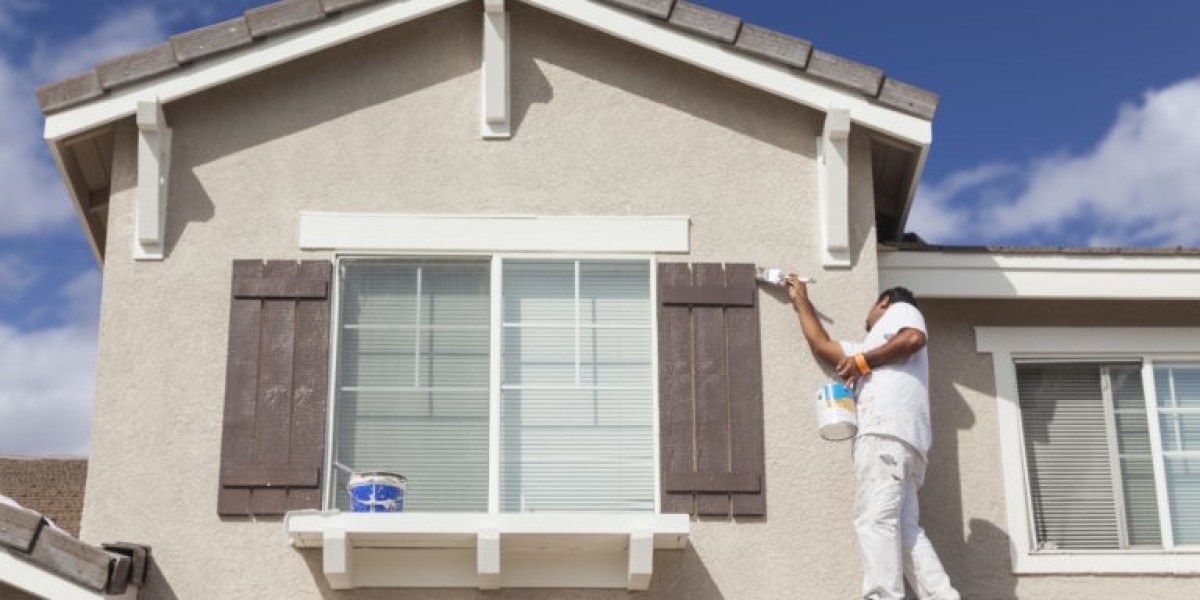

The Pacific Northwest is known for its green forests, cool weather, and long periods of rain. While this climate is beautiful, it can be hard on a home’s exterior. Siding has to deal with frequent moisture, wind, changing temperatures, and, in some areas, moss and mildew. That is why choosing the right siding is about more than picking a color or style. The material should be able to handle wet weather and still look good with normal care.
For many homes in Oregon and Washington, fiber cement siding is one of the strongest choices. It is made to stand up to moisture and changing weather, and it is available in many styles that look like painted wood. The U.S. Department of Energy has used fiber-cement siding on homes in the Pacific Northwest, including projects in Washington, where the siding was installed with a drainage layer behind it to help manage moisture.
When choosing Siding Installation in Gresham OR, homeowners should think about the local weather, the age of the house, the condition of the wall underneath, and how much maintenance they are willing to do. Proper installation matters just as much as the siding itself. A good siding system should help keep rain away from the wall while allowing trapped moisture to move out. In a rainy climate, small installation details can make a big difference over the years.
Fiber Cement Siding
Fiber cement is often a good fit for the Pacific Northwest because it can handle wet weather without the same moisture-related concerns found with untreated wood. It is also resistant to common exterior problems such as rot and insect damage. Another benefit is its appearance. It can be made to resemble wood lap siding, shingles, or other traditional styles, so homeowners have plenty of design choices.
Fiber cement does not mean a house can ignore moisture protection, however. Water can still get behind siding if flashing, joints, windows, doors, or the weather-resistant barrier are not installed correctly. The U.S. Department of Energy has highlighted fiber-cement siding used over a drainage house wrap in Pacific Northwest homes as part of a wall design intended to help keep the building dry.
Wood Siding
Wood siding remains popular in the Pacific Northwest, especially on older homes and houses designed around a natural look. Cedar is a common choice because it has good natural resistance to moisture compared with many other types of wood. It also gives a home a warm, traditional appearance that many homeowners like.
The main issue is maintenance. Wood naturally responds to moisture. It can swell when it gets wet and shrink as it dries. Repeated wetting and drying can contribute to cracking, splitting, cupping, and warping. Oregon State University also notes that moisture can increase the risk of decay and affect finishes on wood products.
That does not make wood a poor siding choice. It simply means homeowners need to be prepared for regular inspection, painting or staining, and repairs when needed. Homes in areas with heavy rain may need more attention than homes in drier parts of the region.
Vinyl Siding
Vinyl siding is another option for Pacific Northwest homes. It is usually less expensive than fiber cement or many wood products, and it requires relatively little routine maintenance. It does not need regular painting, which can be helpful for homeowners who want a simple exterior.
Vinyl can work well when it is installed correctly and when the wall behind it is properly protected from water. However, it may not provide the same solid, wood-like appearance that some homeowners want. It can also become damaged by strong impacts or extreme heat.
For a budget-conscious project, vinyl may be worth considering. But price should not be the only factor. A siding system that costs less at the start can still become expensive if water problems develop because of poor installation or damaged materials.
Engineered Wood Siding
Engineered wood siding is designed to offer the appearance of natural wood while using manufactured wood materials. Depending on the product, it can provide a useful balance between appearance, cost, and maintenance.
This type of siding can be a practical choice for homeowners who like the look of wood but want a product designed for more consistent performance. Still, product instructions should be followed closely, especially around joints, edges, windows, doors, and areas where water can collect.
What About Metal Siding?
Metal siding is less common than fiber cement, wood, or vinyl in many residential areas, but it can still be used. It is resistant to rot and does not absorb water like wood. Modern metal siding can also give a home a clean, simple appearance.
The downside is that dents can be visible, and some homeowners may not like the look for traditional Northwest-style homes. Metal also needs proper detailing around openings and seams so rainwater does not enter the wall assembly.
Why Installation Matters in a Wet Climate
Even the best siding can cause problems when it is installed incorrectly. In the Pacific Northwest, homeowners should pay close attention to the parts of the siding system that manage water. Flashing around windows and doors, proper overlap, a suitable weather-resistant barrier, and good drainage details all play important roles.
A drainage gap can also help water that gets behind the siding move downward and out instead of staying trapped against the wall. The Department of Energy has featured Northwest homes using fiber cement with drainage house wrap and ventilated air spaces as part of moisture-conscious wall designs.
Before replacing siding, it is also wise to check the condition of the sheathing and framing. If there is existing water damage, simply covering it with new siding will not solve the underlying problem.
Admirable Construction as a Local Option
For homeowners comparing siding contractors in the area, Admirable Construction is one company that can be considered when planning exterior work. Its focus on construction and remodeling services makes it a relevant option for homeowners who want the siding project handled as part of the wider condition of the home. Looking at the installation approach, materials offered, previous work, and written project details can help homeowners decide whether a contractor is a good fit.
Which Siding Should You Choose?
For most Pacific Northwest homes, fiber cement is a strong all-around choice because it offers durability, a wide range of styles, and good resistance to common exterior problems. It is especially worth considering for homeowners who want the appearance of painted wood without taking on quite as much routine maintenance.
Wood siding is a better match for people who value a natural appearance and are willing to maintain it. Vinyl can make sense when keeping the project cost lower is important, while engineered wood can offer another middle-ground option.
The right choice will depend on your home's location, design, budget, and current wall condition. Rain alone does not mean one siding material is right for every house. Good flashing, drainage, installation, and regular inspections are key parts of a siding system that can handle the Pacific Northwest climate.
When comparing [Siding Installation in Gresham OR] options, homeowners should ask contractors which materials suit the home's exposure, how water will be managed behind the siding, what maintenance will be required, and what areas of the existing exterior need repair before installation begins. Taking time to answer these questions can help prevent costly moisture problems later.
Final Thoughts
The Pacific Northwest puts plenty of moisture stress on a home's exterior, so siding should be chosen with the local climate in mind. Fiber cement is often a dependable option, but wood, vinyl, engineered wood, and metal can also work when the material fits the home and is installed correctly.
A good siding project is not simply about putting new boards on the outside of a house. It is about creating an exterior that sheds rain, manages moisture, and continues to protect the wall underneath. With the right material and careful installation, homeowners can enjoy a cleaner-looking exterior while giving their homes better protection from the region's wet weather.