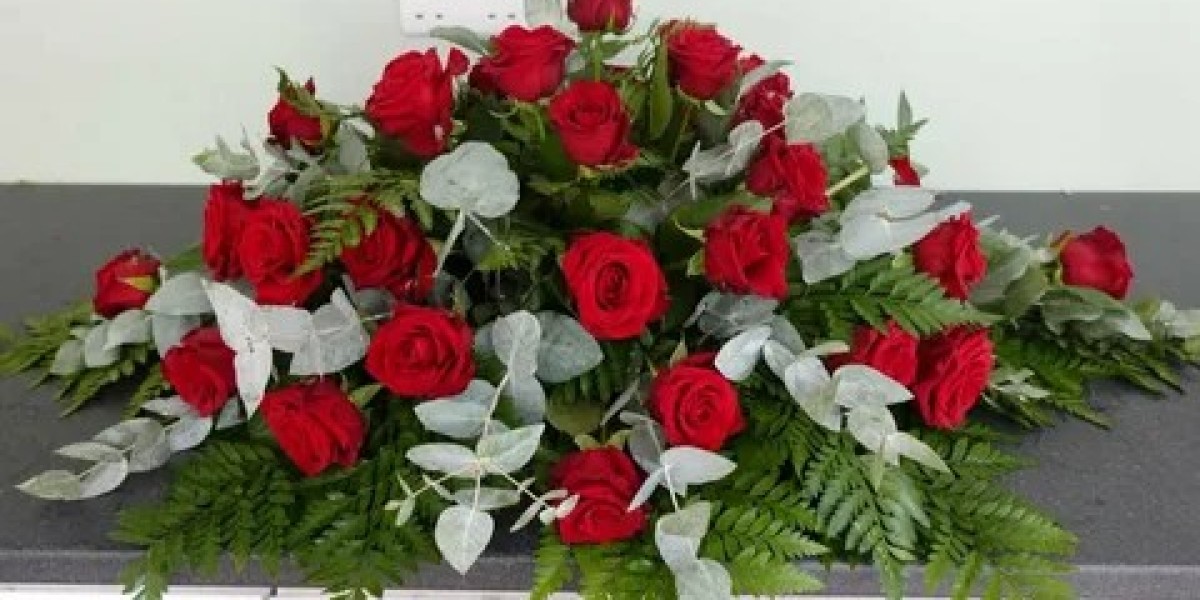

Sending flowers after a death is a long-established way to acknowledge loss, express compassion, and show support for grieving relatives. However, funeral flower etiquette involves more than choosing attractive blooms. The appropriate arrangement can depend on the sender's relationship with the deceased, where the flowers will be delivered, the family's wishes, cultural traditions, and the timing of the service. Understanding these details can help people make a respectful decision without adding unnecessary complications during an already difficult period. For those researching suitable choices, learning how funeral flowers are traditionally selected and sent provides a useful starting point.
What Is Funeral Flower Etiquette?
Funeral flower etiquette refers to the customs and practical considerations surrounding floral tributes after someone dies. These customs are not universal rules. Instead, they provide guidance for choosing an arrangement that suits the circumstances.
An important principle is to consider the wishes of the bereaved family before relying on tradition. Modern funerals vary widely. Some are formal religious ceremonies, while others are informal celebrations of life, graveside gatherings, private family services, or secular memorials.
The obituary or funeral announcement is often the best source of information. It may specify a preferred charity, request particular flowers, provide delivery instructions, or state that the family does not want floral tributes.
Funeral Flowers vs. Sympathy Flowers
One common source of confusion is the distinction between funeral and sympathy arrangements.
Funeral flowers are generally intended for display during the funeral, visitation, wake, or memorial service. They are therefore delivered to a funeral home, place of worship, cemetery, or memorial venue.
Sympathy flowers are primarily intended for grieving relatives. They are commonly delivered to the family's home and may arrive before or after the funeral.
The arrangement styles can differ accordingly. Standing sprays and wreaths work well in ceremonial spaces but can be difficult to accommodate in a private home. Smaller bouquets, vase arrangements, baskets, and plants are generally more manageable for residential delivery.
Knowing the destination before selecting an arrangement can prevent practical problems.
What Should Immediate Family Members Send?
Immediate family members traditionally choose the floral arrangements positioned closest to the deceased. A casket spray is one of the clearest examples.
Casket sprays are specifically designed to rest on top of a coffin and may cover part or much of its surface. Because of their prominent role, they are generally selected collectively by spouses, children, parents, siblings, or those responsible for planning the funeral.
Flowers surrounding an urn at a cremation memorial may similarly be coordinated by close family members.
This distinction matters because an acquaintance independently ordering a casket spray could unintentionally interfere with arrangements already made by the family.
What Can Extended Family and Friends Send?
Extended relatives and close friends have a wider range of appropriate options. Standing sprays, wreaths, floral baskets, vase arrangements, and mixed bouquets are commonly used.
A standing spray is displayed vertically on an easel and can provide a substantial tribute without occupying the position reserved for casket flowers.
Wreaths are another traditional choice. Their circular shape is sometimes interpreted as symbolizing continuity or enduring remembrance.
Friends do not need to choose large arrangements. A smaller floral tribute accompanied by a sincere message can communicate sympathy just as effectively.
The nature of the relationship is more important than the monetary value or physical size of the flowers.
Appropriate Flowers From Coworkers and Businesses
When a colleague experiences a bereavement, coworkers sometimes send flowers collectively. Group arrangements can be practical because they allow a workplace to acknowledge the loss without overwhelming the family with separate deliveries.
A floral basket, standing arrangement, or simple vase display may be appropriate. The accompanying card should clearly identify the department, organization, or colleagues who contributed.
Workplaces should also consider the recipient's preferences. If a coworker has indicated that they want privacy, a discreet condolence message may be preferable to a conspicuous delivery at work.
Employers should avoid treating floral gifts as substitutes for practical bereavement support. Appropriate leave arrangements, workload flexibility, and respectful communication may matter considerably more to an employee coping with a death.
When Should Funeral Flowers Be Sent?
Timing depends primarily on where the arrangement is going.
Flowers intended for display at a funeral or memorial service should arrive before the ceremony begins. Delivery requirements can vary between funeral homes and venues, making it useful to confirm the service schedule before ordering.
Sending flowers too late may mean they cannot be incorporated into the service. Sending them extremely early can create storage and maintenance issues.
For residential sympathy arrangements, timing is more flexible. Flowers can be sent shortly after learning about the death, around the date of the funeral, or even afterward.
There is no universal rule stating that sympathy must be expressed before the funeral.
Is It Appropriate to Send Flowers After the Funeral?
Yes. Support frequently concentrates around the first few days after a death, while grief continues long after the formal service has ended.
Sending a modest sympathy arrangement days or weeks afterward can therefore still be meaningful. This may be particularly appropriate if the sender learned about the death late or was unable to attend the service.
The accompanying message can acknowledge the timing without excessive explanation. The focus should remain on remembering the deceased and supporting the recipient.
Anniversaries and meaningful dates may also prompt people to send remembrance flowers, although personal knowledge of the family should guide such decisions.
Choosing Flowers Based on Meaning
Flower symbolism can provide useful guidance, but meanings vary across cultures and historical traditions.
Lilies are widely associated with funeral services in many Western communities. White lilies often represent peace, purity, or innocence.
Roses offer several symbolic possibilities. Red commonly represents love, while white may communicate reverence or remembrance. Pink roses can suggest admiration, affection, or gratitude.
Carnations are frequently included in condolence arrangements because they are durable and available in many colors. Orchids may represent enduring affection or beauty, while chrysanthemums have particularly strong associations with death and remembrance in parts of Europe and Asia.
Personal meaning can be more significant than traditional symbolism. A favorite flower of the deceased may be an especially appropriate choice even when it is not conventionally associated with funerals.
Should Funeral Flowers Always Be White?
White is common, but it is not mandatory.
White flowers are frequently chosen because they create a restrained appearance and have traditional associations with peace, purity, and reverence. Lilies, roses, carnations, and chrysanthemums can all contribute to predominantly white arrangements.
However, contemporary memorial services often use color to reflect the deceased person's character. Bright sunflowers might suit someone remembered for a cheerful personality, while garden-style arrangements may recall a lifelong interest in horticulture.
A celebration of life may intentionally use vibrant colors instead of traditional white arrangements.
When the family has specified a color theme, following that preference is generally more meaningful than adhering to conventional funeral colors.
Cultural and Religious Considerations
Cultural awareness is an essential part of flower etiquette because mourning traditions differ significantly.
Flowers may be readily accepted in many Christian services, but practices can still vary between denominations and families. Other faith traditions may place less emphasis on flowers or have particular customs concerning appropriate condolences.
Color meanings also differ geographically. White may represent peace and innocence in one context while being closely associated with mourning in another. Chrysanthemums provide another example: their connection with funerals is particularly strong in several European cultures, whereas their meaning can differ elsewhere.
When unfamiliar with a family's customs, asking the funeral home or someone close to the family can be more respectful than making assumptions.
Understanding "In Lieu of Flowers"
An obituary may include the phrase "in lieu of flowers," followed by a request for charitable donations.
This usually indicates that the family would prefer contributions to a selected cause rather than floral arrangements. The chosen organization might relate to medical research, hospice care, education, animal welfare, community services, or an issue that mattered personally to the deceased.
Following these instructions is an important part of respectful funeral etiquette.
Families may make this request for symbolic reasons, but practical considerations can also be involved. A small venue may have limited space, or relatives may prefer not to manage numerous arrangements after the service.
Reading the entire funeral notice before sending anything helps ensure that the family's expressed wishes are honored.
What Should a Funeral Flower Card Say?
A condolence card attached to flowers should generally be brief and sincere.
Messages can express sympathy, remembrance, affection, or support. There is no requirement to produce an elaborate statement. In fact, simple language is often easier for grieving recipients to absorb.
Avoid phrases that attempt to explain why the death happened or tell recipients how they should feel. Grief varies greatly between individuals, and assumptions about another person's emotional experience can sound dismissive even when well intended.
The sender's name should be written clearly. If an arrangement comes from several people, identifying the group helps relatives understand who sent it.
Common Funeral Flower Etiquette Mistakes
Several mistakes can be avoided with basic preparation.
One is ordering flowers before checking whether the family has requested donations instead. Another is sending a large ceremonial arrangement to a private residence where there may be insufficient space.
Incorrect delivery information is another practical problem. Confirm the deceased person's full name, venue, date, and service time before arranging delivery.
It is also worth avoiding assumptions about religion and culture. A tradition familiar to the sender may not be shared by the recipient.
Finally, expensive flowers should never be viewed as more meaningful by default. Condolence is not measured by the cost of an arrangement.
Making a Respectful Decision
Good funeral flower etiquette is ultimately based on consideration rather than rigid rules. Start by reading the obituary or memorial announcement carefully. Determine whether flowers are welcome, identify where they should be delivered, and consider your relationship with the deceased and bereaved family.
Choose an arrangement suited to its destination. Reserve highly prominent pieces such as casket sprays for close family unless specifically asked to contribute. Consider cultural and religious traditions, and respect requests for charitable donations.
Timing matters, but there is also no need to assume support becomes inappropriate once a funeral ends. Sympathy flowers and messages can remain meaningful afterward.
Most importantly, floral tributes should serve the people and memories involved. When selected thoughtfully, flowers provide a quiet way to acknowledge a death, remember an individual, and communicate support without requiring grieving relatives to respond.