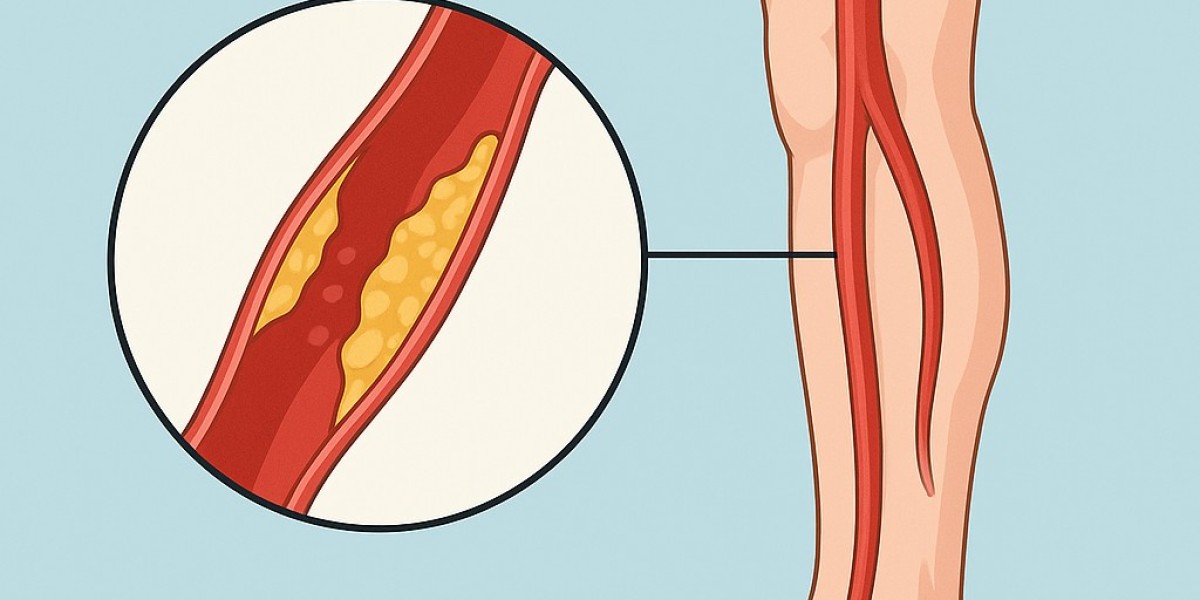

Carotid artery disease is a serious vascular condition that develops when the carotid arteries—major blood vessels supplying oxygen-rich blood to the brain—become narrowed or blocked. This narrowing is usually caused by plaque buildup, a process known as atherosclerosis. Many people remain unaware of the disease until a stroke occurs, making early detection and awareness critically important.
Why Carotid Artery Disease Is Dangerous
The primary danger of carotid artery disease is stroke. When blood flow to the brain is reduced or suddenly blocked, brain cells begin to die within minutes. In many cases, patients experience permanent disability, speech loss, paralysis, or even death. Because symptoms may not appear until the disease is advanced, carotid artery disease is often referred to as a “silent killer.”
Common Causes and Risk Factors
Carotid artery disease develops gradually over time. The most common risk factors include:
High blood pressure
Diabetes
High cholesterol
Smoking
Obesity
Sedentary lifestyle
Family history of vascular disease
Poor lifestyle habits accelerate plaque formation inside the arteries, increasing the risk of stroke at a younger age.
Early Warning Signs You Should Not Ignore
Although many patients remain symptom-free, some experience warning signs known as transient ischemic attacks (TIAs), or “mini-strokes.” These symptoms may last only a few minutes but should never be ignored:
Sudden weakness or numbness on one side of the body
Difficulty speaking or understanding speech
Temporary vision loss in one eye
Dizziness or loss of balance
Sudden severe headache
TIAs are a strong warning that a major stroke may occur in the near future.
Diagnosis and Medical Evaluation
Carotid artery disease is diagnosed using non-invasive imaging tests. Doppler ultrasound is commonly used to assess blood flow and detect narrowing. In more complex cases, CT angiography or MR angiography helps determine the exact severity and location of blockage. Early diagnosis allows doctors to intervene before irreversible brain damage occurs.
Treatment Options Available Today
Treatment depends on how severe the artery narrowing is and whether the patient has symptoms.
Medical Management:
Mild to moderate cases can often be managed with medications to control blood pressure, cholesterol, and blood thinning, along with strict lifestyle changes.Carotid Angioplasty and Stenting:
A minimally invasive procedure where a small balloon and stent are used to open the narrowed artery and restore blood flow.Carotid Endarterectomy:
In advanced cases, surgery is performed to remove plaque from the artery, significantly reducing the risk of stroke.
Modern vascular treatments focus on preventing stroke while minimizing recovery time and surgical risk.
Prevention Is the Strongest Defense
Preventing carotid artery disease begins with controlling risk factors. Regular health checkups, blood pressure monitoring, diabetes control, quitting smoking, and maintaining an active lifestyle play a major role. People over 50 or those with cardiovascular risk factors should undergo routine vascular screening.